
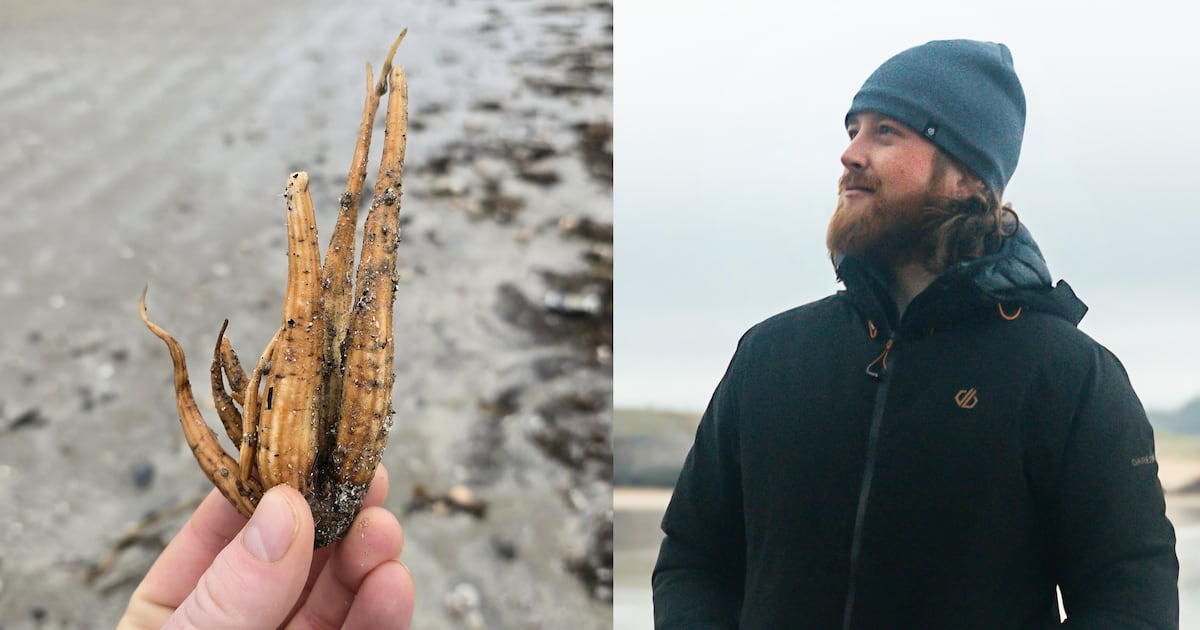
A local authority has warned the public to “stay clear” of a highly toxic plant which has been spotted along beach following recent storms and river flooding.
Known as dead man’s fingers, hemlock water-dropwort can kill humans within an hour in certain doses and is poisonous to pets and livestock.
In its natural habitat it grows alongside waterways and exhibits flowers and foliage similar to wild types of carrot or parsnip plant.
Beneath the soil, it has a number of swollen roots which earn it its nickname and which are sometimes spotted, especially along coastlines, after the plant has been uprooted.
Meath County Council is urging people to “stay alert on coastal walks” after sightings of the plant in the local authority’s area.
Max Cody, a local businessman who spotted the parsnip-like roots on the beaches of Laytown and Bettystown on Tuesday, warned people to be vigilant with children and pets.
“The south-easterly winds and super high tides recently has probably uprooted and washed these plants here, possibly from the nearby Delvin, Nanny and Boyne rivers,” he said.
“It is definitely the plant and, as far as I know, there is no known antidote for it.”
Cody runs Fourshore Adventures, an outdoor pursuits business, in the area, so spends much of his time on the beach.
He was away in recent days and spotted the plant on his return. He also works in forest schools where he teaches about toxic plants.
“Even to touch the leaves, it can cause blisters, but if ingested it can attack the nervous system and cause death within hours,” he said.
“So please keep pets and children away from these plants.”
Meath County Council said it was “aware of recent reports of hemlock water-dropwort washing up on Bettystown Beach”.
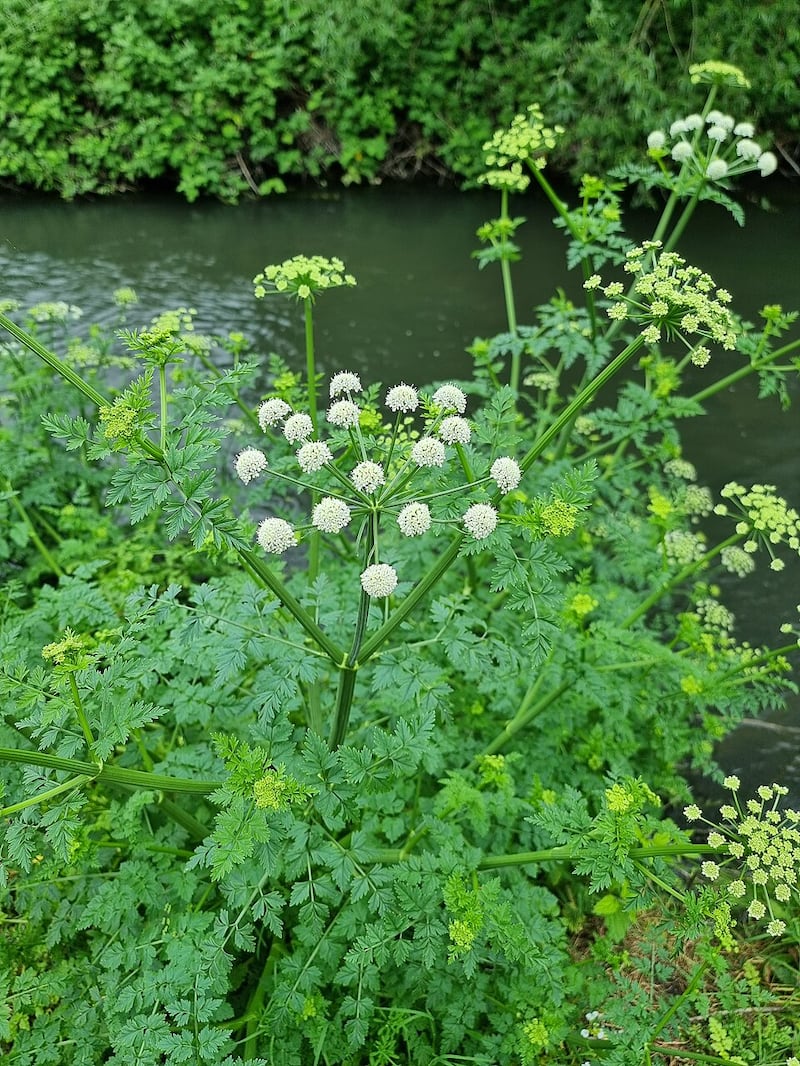 Hemlock water-dropwort grows by riversides. File image. Photograph: Richard Avery
“The roots of this plant look a bit like parsnips, but they are highly toxic, so please stay clear.”
The council is advising the public not to touch anything that looks like a parsnip-shaped root washed up on the beach. People are urged to keep pets and children close and to report anything unusual to the council
“Even brushing against the plant can irritate skin and ingesting it can be severely dangerous for both people and animals,” it said.
“With recent high tides, winds and swollen rivers, it’s likely these plants were uprooted from their usual habitats along the banks of our waterways and shoreline, so please stay alert on your coastal walks
“Please continue to enjoy our beaches, but stay safe and stay aware.”
Sightings have also been confirmed on the northwest coast of England, in the wake of Storm Chandra last month, and late last year in western Scotland.
Vets in the UK warned last year of a rising number of livestock fatalities in Wales and the southwest of England due to the wild plant.