
One of America’s fastest growing industries is rapidly turning into a dangerous financial trap for young people throughout the country.
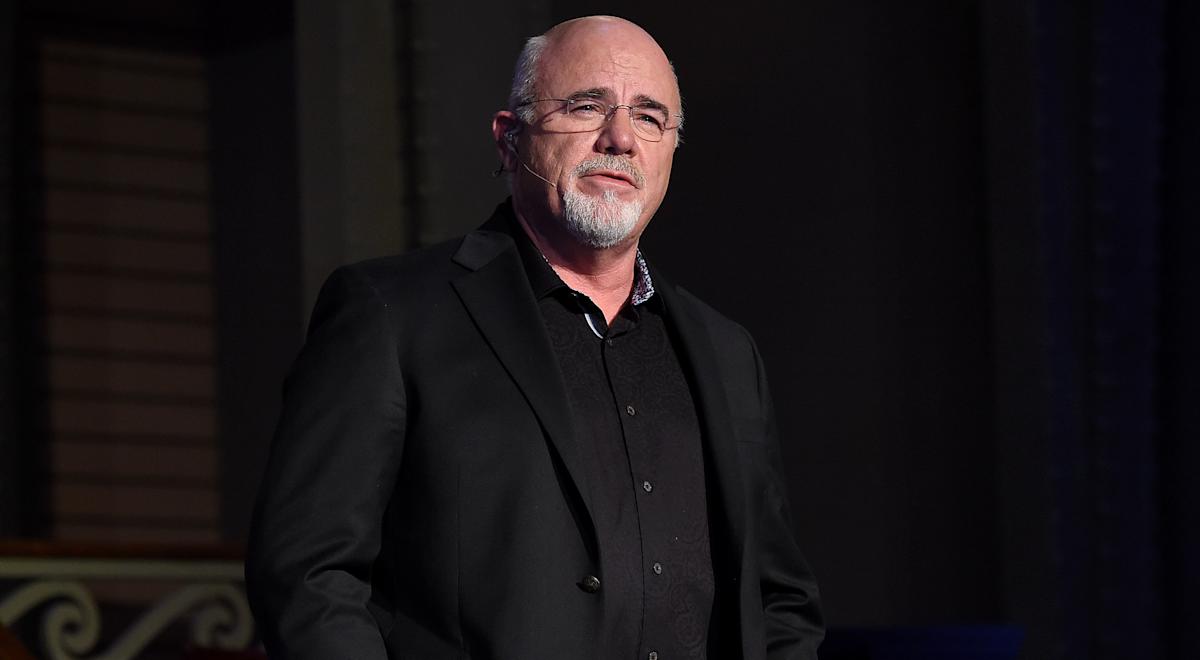
That’s according to personal finance guru Dave Ramsey, who took to social media to express his frustrations over the massive popularity of online sports betting (1).
“The fastest growing addiction that is destroying young men in their 20s is online sports gambling,” he said bluntly. “Fanduel is a portal to hell. Draftkings ain’t king of nothing except their own pocketbook. This is evil stuff right here.”
And Ramsey isn’t the only one sounding the alarm; academics, researchers and public health experts have also become increasingly concerned with the industry’s rapid expansion and the detrimental impact it can have on a bettor’s mental and financial well being.
Here’s why sports betting is becoming such a big problem.
Online sports betting has been a massively profitable industry ever since a 2018 Supreme Court decision that allowed states to legalize online gambling (2). Since then, the industry has exploded in both size and revenue in America, posting a record $13.71 billion in revenue in 2024, according to ESPN (3).
The rapid expansion of online sports betting has also created a windfall for state and local governments. According to the Census Bureau, sales tax revenue from sports betting has surged 382% from just $190 million in the third quarter of 2021 to $917 million in mid-2025 (4). In other words, local regulators now have a vested interest in the industry’s growth momentum.
Meanwhile, President Trump — who won Ramsey’s endorsement during the 2024 election campaign — has floated the idea of eliminating federal taxes on gambling winnings (5). The former casino owner is also getting directly involved in the business, with Truth Social partnering with Crypto.com to launch a new betting market (6), and Trump Jr. investing in Polymarket while serving as the strategic advisor to Kalshi (7).
Read More: The average net worth of Americans is a surprising $620,654. But it almost means nothing. Here’s the number that counts (and how to make it skyrocket)
While the online gambling industry has led to massive profits, the mental and financial damage that bettors can face is a growing concern.
Story Continues
As Axios reports, calls to the National Problem Gambling Helpline surged 148% between 2017 and 2024, according to data from the National Council on Problem Gambling and the Economist (8). States that legalized online gambling saw a 25% to 30% surge in bankruptcy filings within three to four years, according to the American Institute for Boys and Men (9).
Researchers at Siena University also found that 20% of online gamblers had lost money they couldn’t afford. Meanwhile, 34% knew someone with an online sports betting problem, while only 9% had sought help to deal with their own gambling issues (10).
Unlike other addictions and substance abuse issues, gambling can be difficult for friends and family to detect, making intervention much more difficult. Nevertheless, there are ways you can protect yourself and your loved ones from this crisis.
As with many addictions, a gambling addict admitting that they have a problem and that their behavior is harmful is often the first step. Once they’ve identified the issue, they can take steps to tackle the behavior.
Calling the National Problem Gambling Helpline (1-800-522-4700) for assistance, or reaching out to a professional therapist that can help with addressing an addiction, should be the next step. A gambling addict can also remove the gambling apps on their phone in order to prevent them from making any more bets. Some online payment platforms like Revolut and PayPal offer features that enable users to block gambling-related payments, which could be another helpful way to reduce spending with a gambling addiction.
Finally, a gambling addict could reveal their concerns to a trusted friend or family member and ask them to monitor their behavior in the hopes of controlling it.
Join 200,000+ readers and get Moneywise’s best stories and exclusive interviews first — clear insights curated and delivered weekly. Subscribe now.
We rely only on vetted sources and credible third-party reporting. For details, see our editorial ethics and guidelines.
X (1); Cornell Law School (2); ESPN (3); United States Census Bureau (4); Fox Business (5); Crypto.com (6); Front Office Sports (7); Axios (8); American Institute for Boys and Men (9); Research Institute and Sienna University (10).
This article provides information only and should not be construed as advice. It is provided without warranty of any kind.