
The trial at Guy’s and St Thomas’ NHS Foundation Trust has been welcomed by doctors and surgeons and has the potential to transform patient care.
A new NHS pilot using artificial intelligence and robotic technology to help doctors reach hard-to-detect cancers earlier, with fewer invasive tests, has been greeted warmly by doctors.
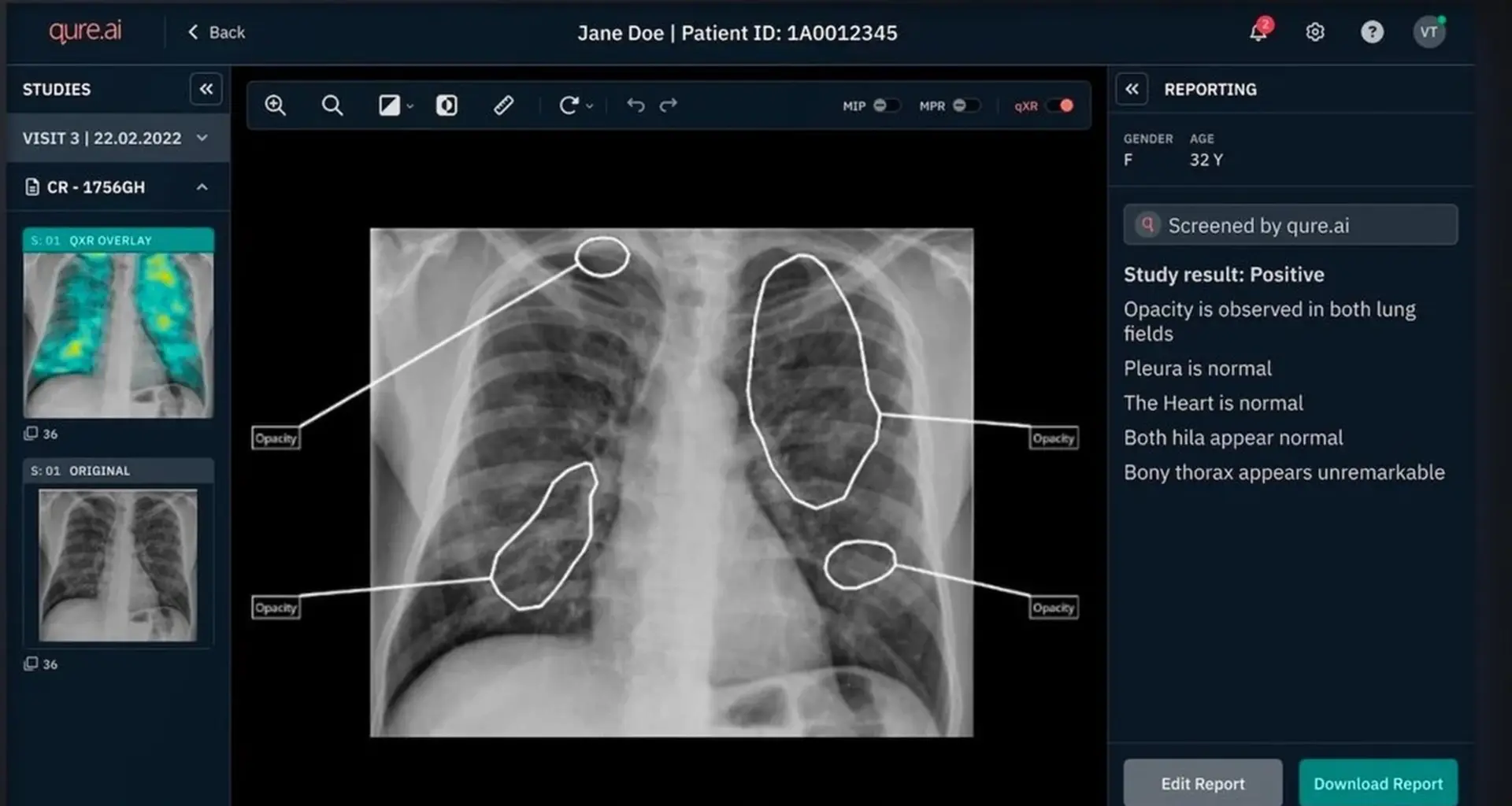
The new approach, piloted at Guy’s and St Thomas’ NHS Foundation Trust and funded through the NHS Cancer Programme – Innovation Open Call (SBRI Healthcare), uses AI software to analyse lung scans and flag small lumps that are most likely to be cancerous, and a robotic camera is then used to guide biopsy tools through the airways with far greater precision than standard techniques.
The robot can reach nodules as small as six millimetres hidden in the lung, which are often too risky or difficult to access using existing methods. Once AI has highlighted higher-risk areas, doctors can take a precise tissue sample, which is sent to specialist laboratories and reviewed by expert cancer teams to confirm or rule out cancer.
If shown to be effective, it is hoped that the technology could help transform lung cancer diagnosis as the NHS screening programme increasingly identifies more people with very small nodules that would previously have gone undetected until much later.
The programme is expected to diagnose up to 50,000 cancers by 2035 and at least 23,000 at an earlier stage, potentially saving thousands of lives.
The future of cancer detection
“Our lung cancer screening programme means that we are picking up more cancers at an early stage than ever, and by bringing AI and robotics together in this trailblazing NHS pilot, we’re bringing in the very latest technology to give clinicians a clearer look inside the lungs and support faster, more accurate biopsies,” said Peter Johnson, NHS England’s national clinical director for Cancer.
“This is a glimpse of the future of cancer detection. Innovation like this is exactly how we can help diagnose more cancers faster, so treatment can be most effective, and why the NHS continues to lead the way in bringing new technology safely into frontline care.”
It was also welcomed by the Royal College of Radiologists. This pilot is a good example of how AI could improve patient care when used to assist highly trained doctors. Spotting lung cancer earlier is vital to help patients live longer, healthier lives,” said the college’s president, Stephen Harden.
“Expanding lung cancer screening across the country is an important step to tackle health inequalities, but without more doctors to interpret more scans, it could add to diagnostic delays. We hope to see this plan supported by investment in the radiology workforce, so that patients can really see the benefit,” he continued.
It was a similar message from the Royal College of Surgeons of England (RCE).
“This innovative NHS pilot demonstrates the remarkable potential of advanced technology in the form of robotic-assisted diagnostic tools and AI. This has a real potential to transform patient care as demonstrated by pilot studies,” said Nuha Yassin, consultant colorectal surgeon and RCS England council lead for the future of surgery, robotics and digital surgery.