
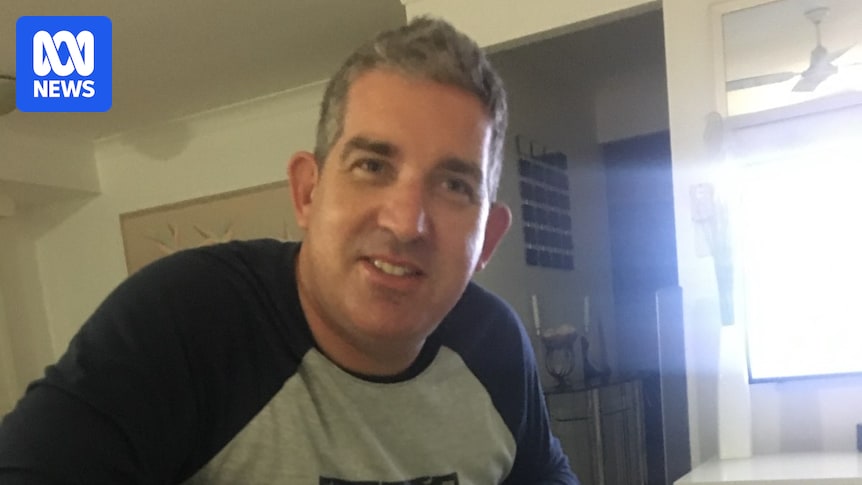
The mother of an autistic man who died from starvation and dehydration at a Gold Coast hospital says she is “finally satisfied” by a health watchdog’s critical report into the care provided at the state-run facility.
Stewart Kelly, 45, died at Robina Hospital in August 2022, about three months after admission, because he had stopped eating and needed mental health treatment.
However, Ann Jeffery, 84, said she was disappointed it took three years for the Queensland Health Ombudsman’s investigation into her son’s death to be finalised.
“Losing a child, no matter what age, is an unimaginable loss,” Ms Jeffery said.
“Our lives are just disintegrating, and I really feel that a lot of this stress could have been avoided for us if we’d had answers sooner.”
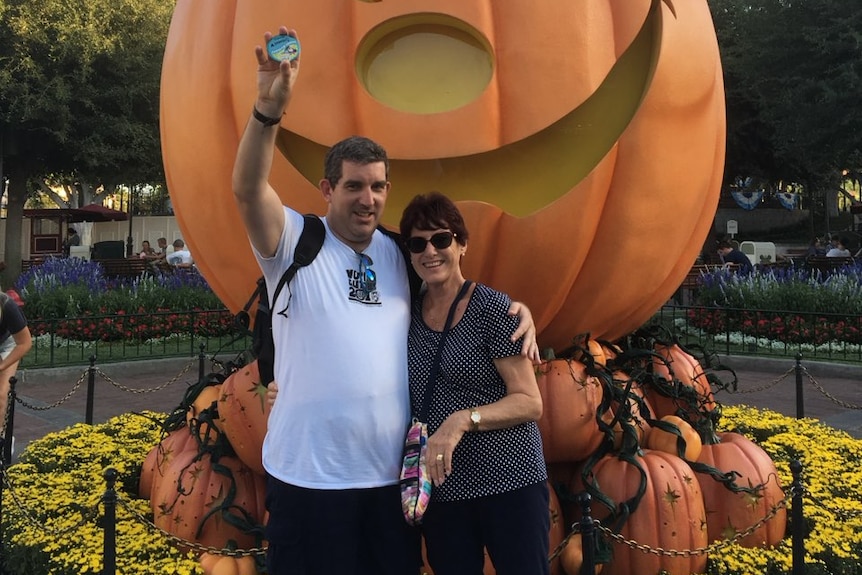
Stewart and his mum Ann. (Supplied)
Weaknesses identified
The ombudsman’s investigation into Mr Kelly’s death, released last week, found there were systemic failures in the hospital’s care, particularly in recognising and responding to the complex needs of Mr Kelly’s neurodevelopmental disorder.
The investigation identified communication gaps between treating teams along with deficiencies in policies, procedures and clinical guidelines.
It also highlighted a failure to act on concerns raised by Ms Jeffery under Ryan’s Rule — a process that allows patients or their families to escalate concerns if they believe a patient’s condition is deteriorating.
“Where these weaknesses exist, the ability of staff to provide safe, responsive, and individualised care is compromised,” the report said.Admission to hospital
Mr Kelly, who had autism, an intellectual disability and mental health issues, was first admitted to Robina Hospital on May 22, after he stopped eating and complained of abdominal pain.
The report said he was discharged eight days later after clinicians determined that there were no ongoing medical concerns.
Two months later, on July 20, his GP placed him under an Emergency Examination Authority, which allows a patient to be detained for assessment, due to concerns around the potential health impacts from not eating, his depressed mood and concerns about self-neglect.
Mr Kelly became angry and violent when he was told he would need to go to the hospital, but he was ultimately restrained and taken to Robina Hospital under police escort.
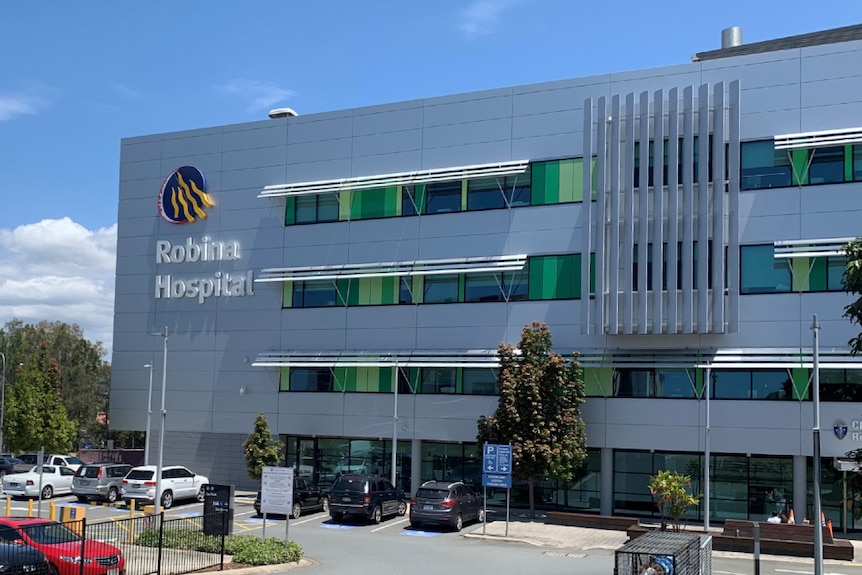
The ombudsman identified systemic failures in Mr Kelly’s care at Robina Hospital. (ABC Sunshine Coast: Annie Gaffney)
During his second admission, the report said Mr Kelly frequently refused food, fluids and medical treatment.
Staff documented severe malnutrition and ongoing deterioration, while his mother repeatedly raised concerns about his worsening condition, but the report found hospital teams struggled to adapt care to Mr Kelly’s complex needs.
The report concluded systemic improvements were needed, including better training in the care for patients with neurodevelopmental disabilities and stronger processes to recognise and respond to clinical deterioration.
It also noted that the findings aligned with extensive academic research and government reports showing that people with intellectual disabilities often faced poorer outcomes in Australia’s healthcare system.
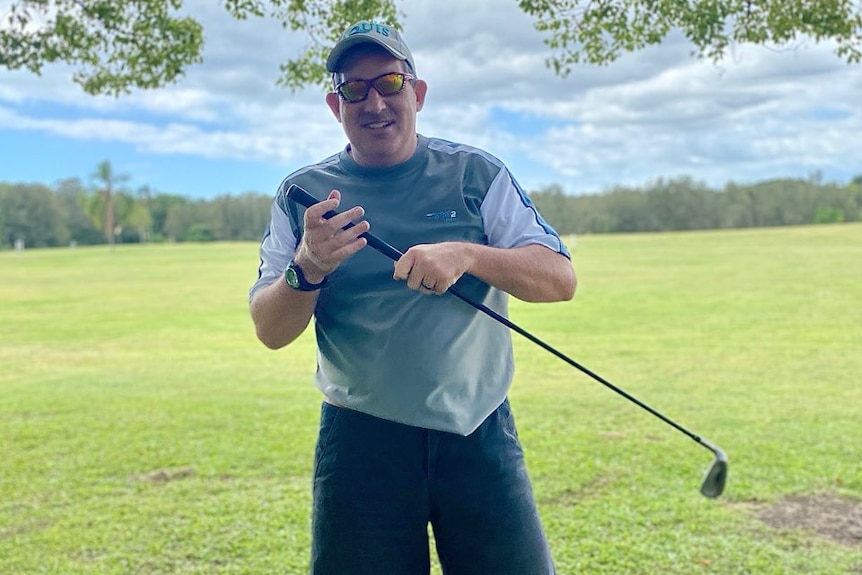
Ann hopes her son’s death will be a catalyst for change. (Supplied: Ann Jeffery)
Catalyst for change
Ms Jeffery said she hoped her son’s “tragic death” would serve as a catalyst for change, raise awareness and improve care for autistic patients across the country.
“These people are human beings with a right to live, a right to care, a right to everything that so-called normal, and I don’t know what normal is, people are entitled to,” she said.
A Gold Coast Health spokesperson said the organisation had accepted all of the ombudsman’s recommendations and acknowledged the “significant failures” in Mr Kelly’s care.
“Mr Kelly’s presentation was exceptionally rare, and our staff have not seen such a complex case before or since his death,” the spokesperson said.
They said staff who cared for Mr Kelly were “deeply affected by his death” and had taken part in additional training to care for patients with complex needs.
Health Minister Tim Nicholls offered his “deepest sympathies” to the family and said he would expedite the coroner’s report at the request of Mr Stewart’s family.
“This care was not appropriately or adequately provided,” he said.