
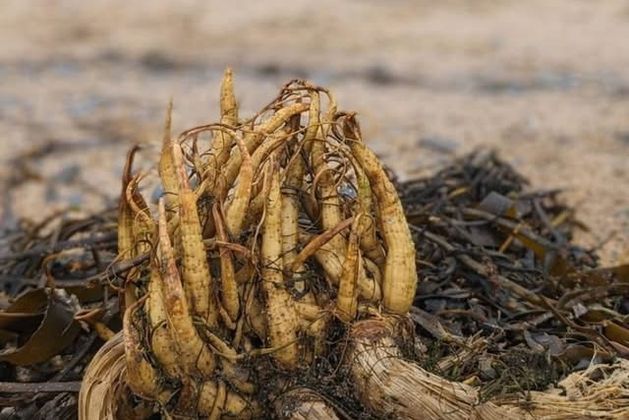
Beachgoers are being urged to exercise caution following reports that a highly toxic plant has washed up along parts of the Meath and Dublin coastline.
Dublin City Council said it is aware that the plant has washed up on Dollymount Beach on Bull Island.
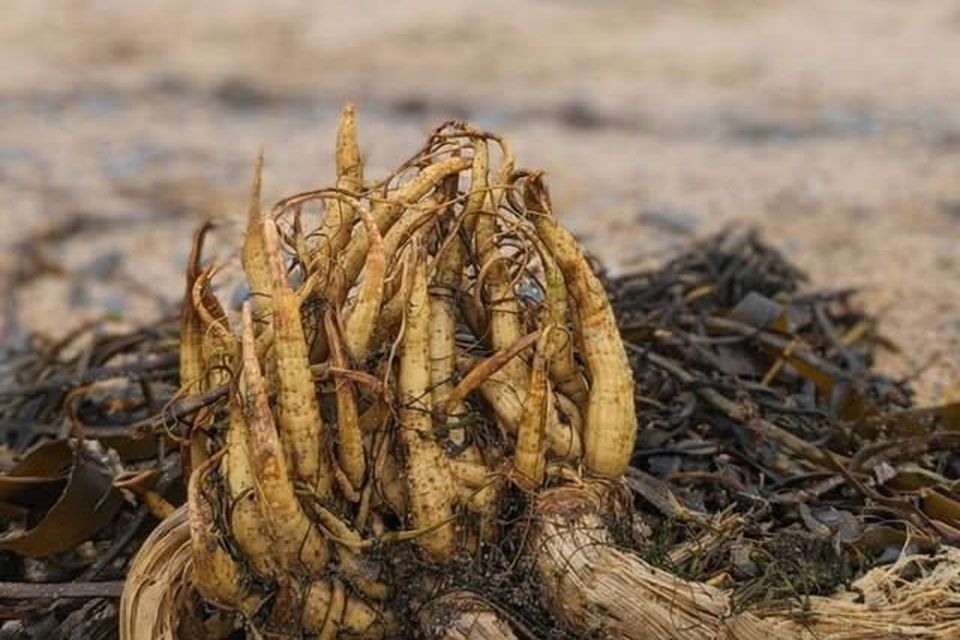
“The roots of this plant are highly toxic, the root looks somewhat like a parsnip the public are being asked to avoid this root as brushing against the plant could irritate the skin or if ingested it could be severely dangerous for people and animals,” said the local authority.
“Please be vigilant when visiting beaches in the Dublin Area,” it added.
Meath County Council
Today’s News in 90 – Thursday February 12
Meath County Council confirmed they received reports of the plant appearing on Bettystown beach in recent days.
The roots can resemble parsnips but are “highly toxic” and should not be touched, the local authority warned.
In a statement, the council advised visitors to avoid handling anything that looks like a parsnip-shaped root washed up on the sand, to keep pets and young children close, and to report any unusual sightings.
“Even brushing against the plant can irritate skin and ingesting it can be severely dangerous for both people and animals,” they said.
“With recent high tides, winds and swollen rivers, it’s likely these plants were uprooted from their usual habitats along the banks of our waterways and shoreline, so please stay alert on your coastal walks.”
“Please continue to enjoy our beaches but stay safe and stay aware.”
Hemlock Water Dropwort, sometimes referred to as “dead man’s fingers”, is considered one of the most poisonous plants in Ireland and the UK. It typically grows along riverbanks and in wetland areas.
Local resident Max Cody also raised the alarm after discovering what he later identified as the plant during a beach walk. In a social media post, he urged dog walkers and families to be “extra vigilant”.
“I didn’t know this at first but after reading about this plant for over an hour now, the smallest piece ingested is fatal and even touching it can leave blisters on your hands and discolouration which can last for months,” he said.
Mr Cody added that he washed his hands several times after returning home.
Funded by the Local Democracy Reporting Scheme.