
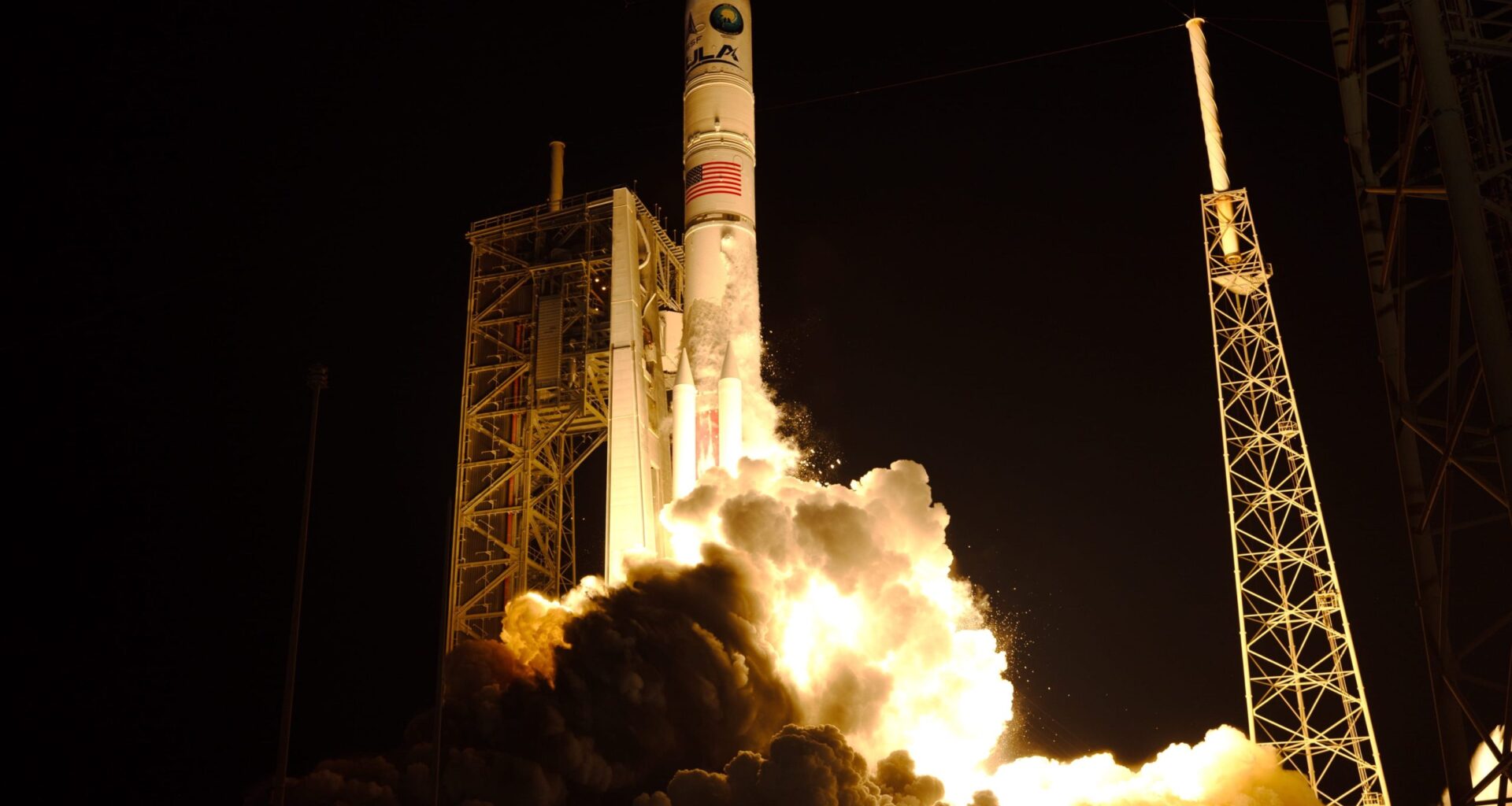
On February 12, a Vulcan rocket was launched from Cape Canaveral Space Force Station. Despite a problem with the solid-fuel booster, it successfully delivered cargo for the US Space Force into geostationary orbit.
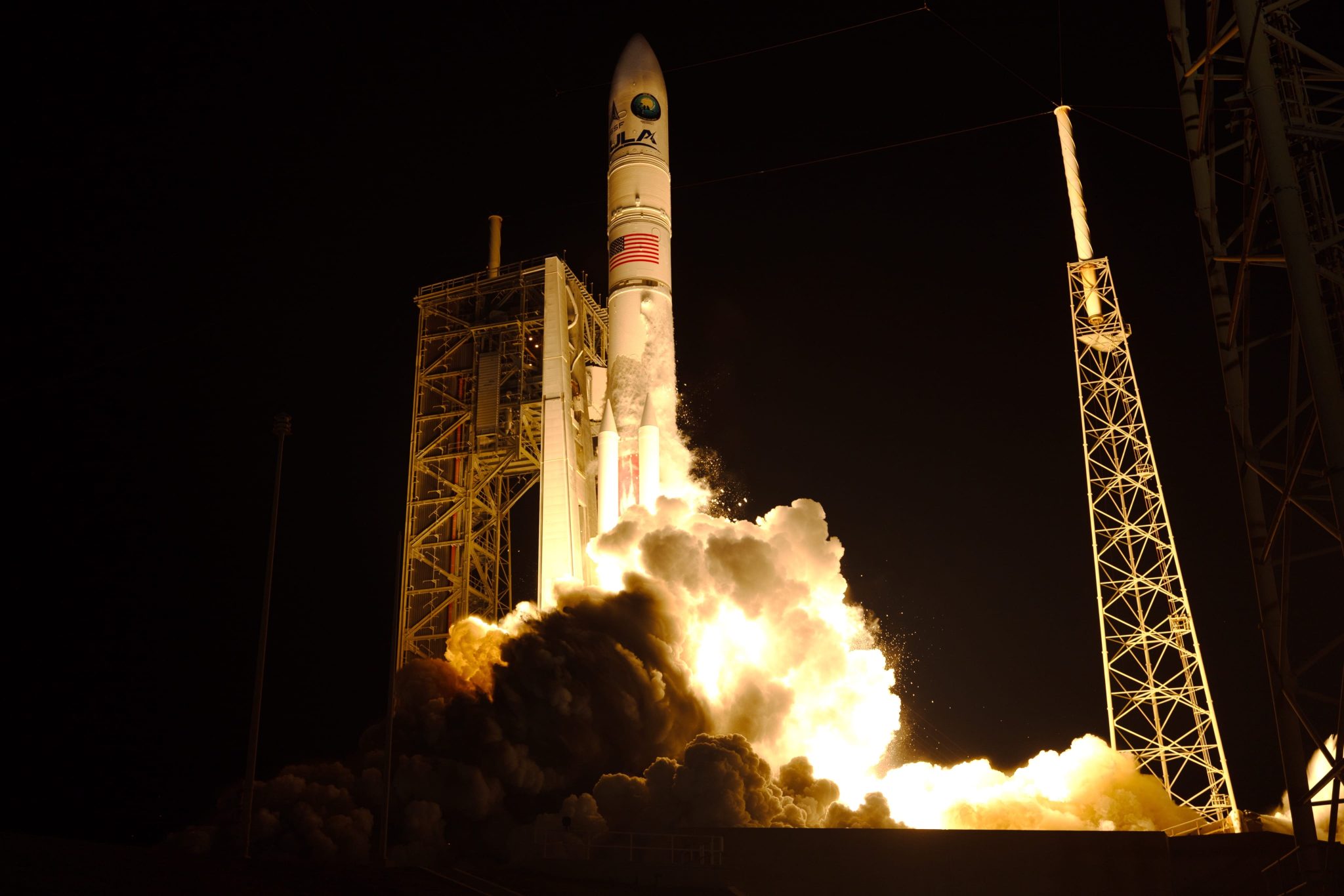 Launch of the Vulcan rocket. Source: ULA
A high-performance version of the rocket with four solid-fuel rocket boosters was used for the mission. They operated for approximately 90 seconds before separating from the main stage. Observers noted an anomaly in the form of an irregular combustion pattern in one of the boosters, accompanied by a trail of debris. This was reminiscent of an incident that occurred during the second launch of Vulcan, when one of the boosters’ nozzles broke and the missing thrust had to be compensated for by increasing the operating time of the second stage.
Later, launch operator ULA confirmed the incident and reported that specialists were studying the launch data. But despite the problem, the rocket accomplished its mission. ULA reported that the launch was successful. The Centaur upper stage will take approximately 10 hours to reach geosynchronous orbit and deploy all payloads.
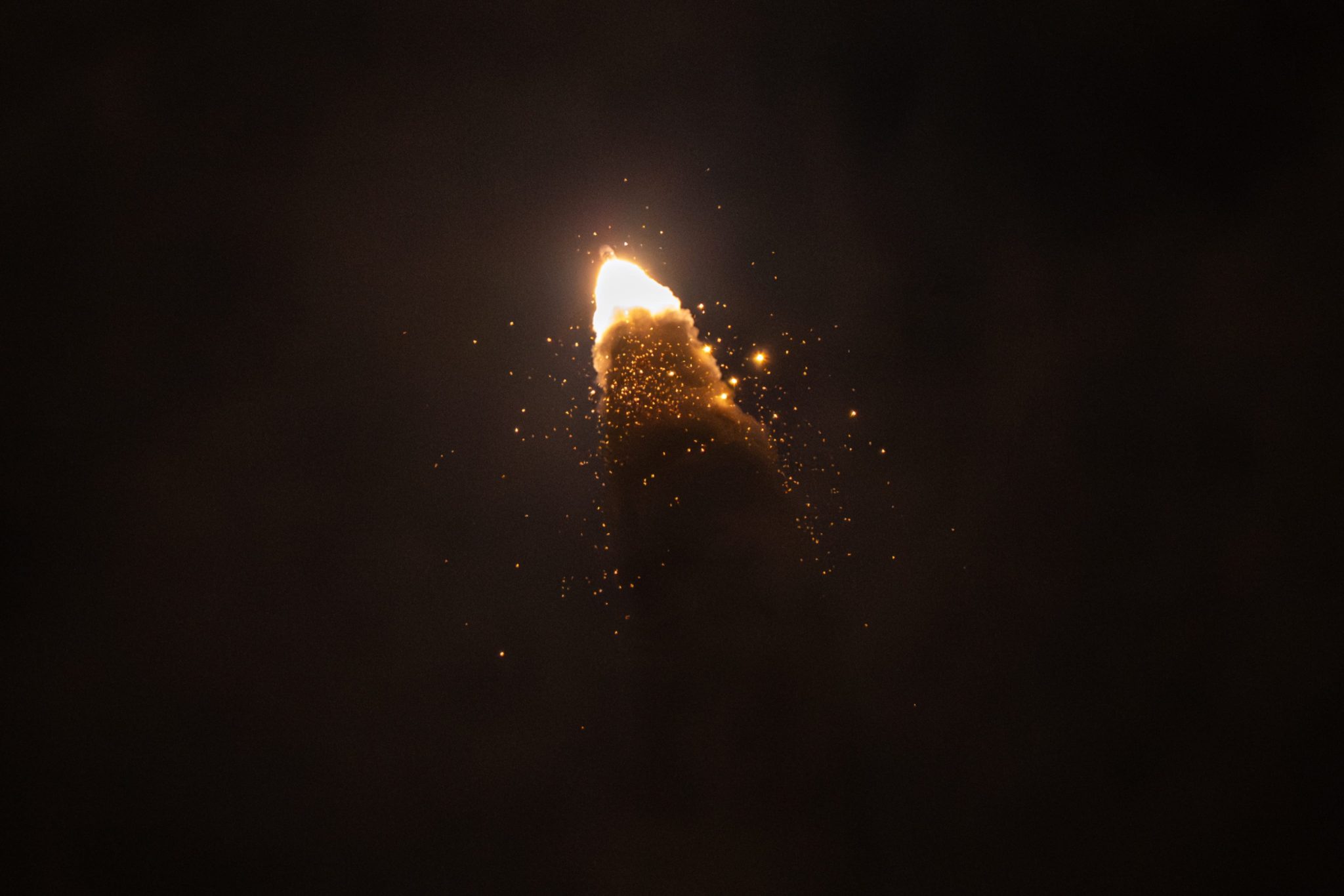 Debris from the nozzle of a solid-fuel booster that broke apart during the launch of the Vulcan rocket. Source: Michael Cain
The main payload of the mission is a pair of GSSAP satellites. They are built by Northrop Grumman and equipped with optical sensors designed to track and characterize objects in and around geosynchronous orbit. The system provides information on activities near US and allied spacecraft.
The rocket also carried a secondary payload: the ESPA propulsion ring. It is a modified version of the standard EELV adapter — a ring-shaped structure originally designed to carry secondary payloads during military launches. Unlike a passive adapter, ESPA has its own power source and maneuverability.
According to the cargo manifest, ESPA is carrying payloads intended for research purposes. The ring itself will also be placed in geosynchronous orbit and will operate autonomously.
According to Spacenews
Part of the Universe Space Tech team since 2017. Focuses on interplanetary missions, the history of space exploration, rocket launches, and scientific discoveries in both near and deep space. Over the years, he has written dozens of materials — from fact-checked news to deep-dive analyses.
His fascination with space began in childhood and eventually became his professional direction. He joined Universe Space Tech to tell readers about modern space events in a clear and engaging way. His writing combines accuracy, structure, and deep respect for scientific knowledge.