
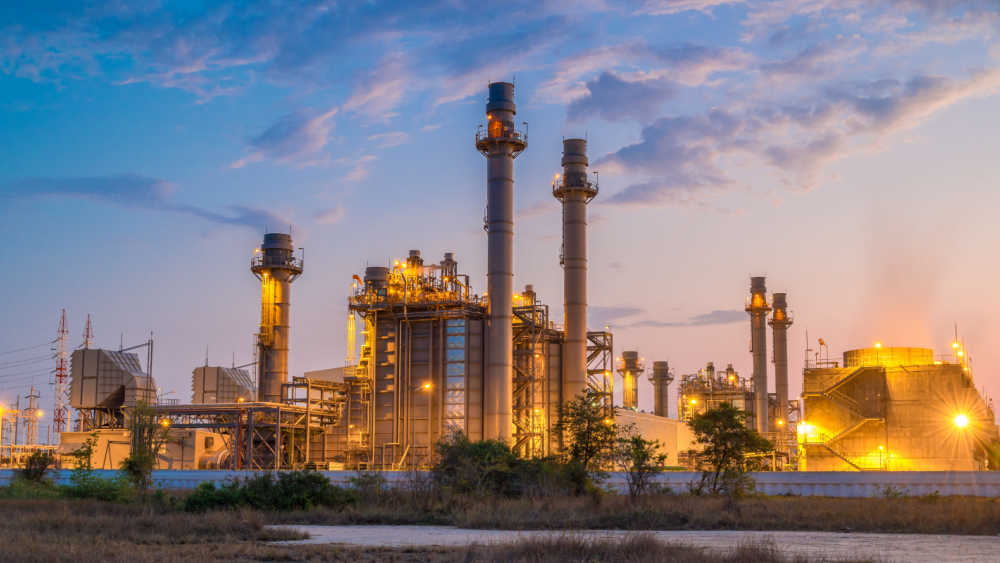
In 2023, the EU economy’s net domestic energy use was 56.1 million terajoules (-4.1% compared with 2022). Businesses and governments consumed 72.3% for their production activities, and the remaining 27.7% was consumed directly by households.
When considering energy use by economic activity, manufacturing was responsible for the largest share of net domestic energy use (14.3 million terajoules; 25.5% of the overall net domestic energy use), followed by electricity, gas, steam and air conditioning supply (10.1 million terajoules; 17.9%) and transport and storage (6.9 million terajoules; 12.3%).

Source dataset: env_ac_pefa04
Compared with 2022, electricity, gas, steam and air conditioning supply recorded the sharpest decrease in energy use (-8.7%), followed by manufacturing (-5.5%), while transportation and storage (+8.1%) was the only economic activity that used more energy in 2023.
Sharp declines and increases over the past 10 years in EU countries
Between 2014 and 2023, the pace toward greater energy efficiency in production activities in the EU was mixed. Estonia (-43.1%), Ireland (-42.8%) and the Netherlands (- 37.2%) saw the most rapid declines in energy use intensity of gross value added. Malta (+22.9%) and Lithuania (+9.3%) were the only countries that observed an increase.
Source datasets: env_ac_pefa04 and nama_10_a64