
While the recent video game adaptation boom has seen filmmakers turn to some of the biggest properties of all-time, some have chosen to focus on more viral sensations. From Blumhouse bringing Scott Cawthon’s Five Nights at Freddy’s games to the screen, to Markiplier independently producing Iron Lung and becoming a surprise box office sensation, even while facing off against Sam Raimi’s gleeful horror return, Send Help.
Now, Dread is looking to get in on this trend with The Mortuary Assistant, and it’s a shame the way it falls just short of being a great adaptation. It stays very true to the story and lore of its source material, and has some appropriately chilling imagery, but it also proves to be a bit too overloaded and can’t quite match the level of scares of the game.
The Mortuary Assistant’s Narrative Accuracy Can’t Fully Make Up For It Being Unscary
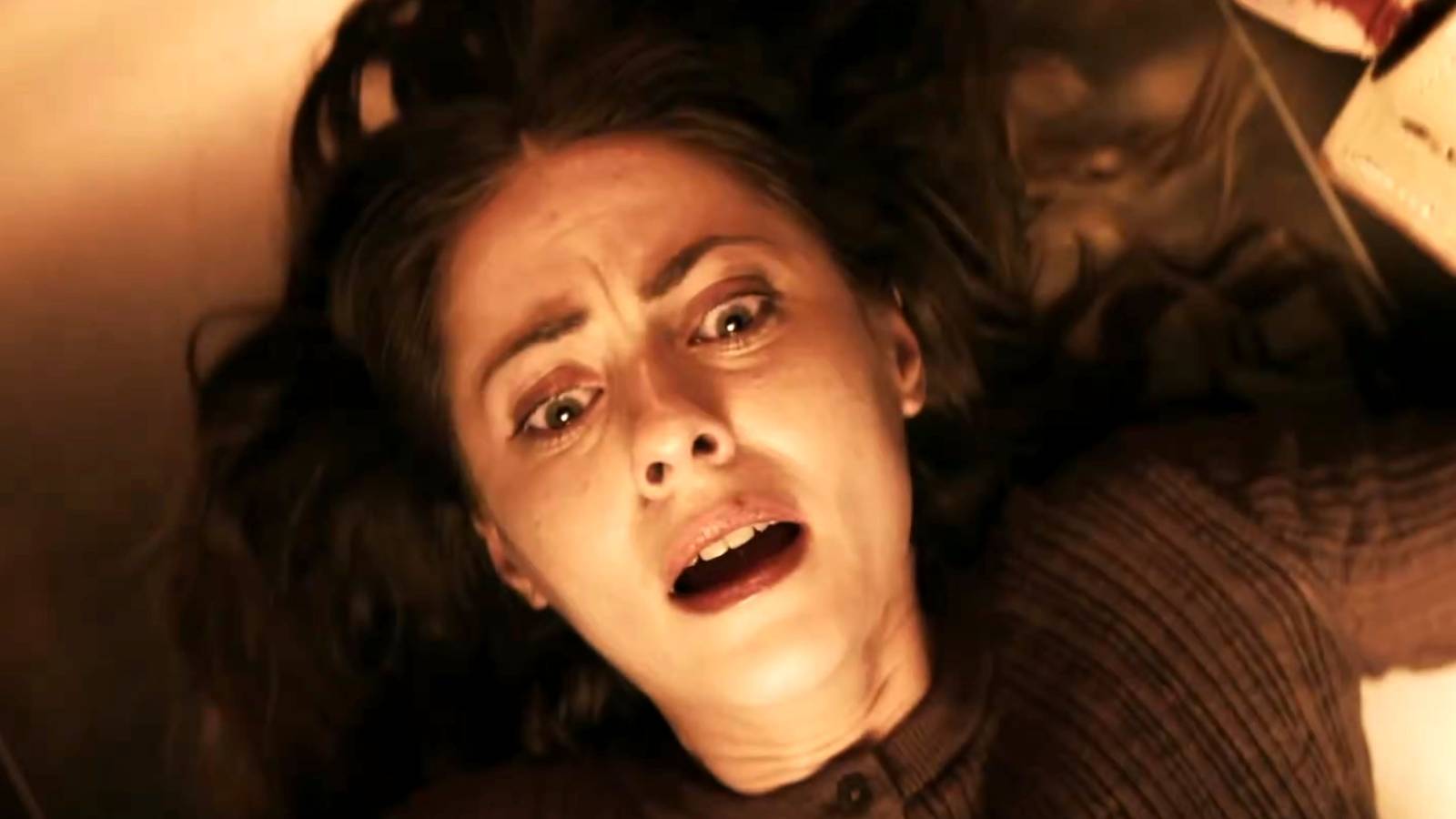
Based on Darkstone’s 2022 game, The Mortuary Assistant centers on Rebecca Owens, a young woman in the final days of training at River Fields Mortuary and working under Raymond Delver. Despite her eagerness for the job, Delver displays some odd behaviors, particularly in refusing to let her work the night shift, and keeping her from accessing certain rooms.
The plot begins to ramp up when Rebecca is suddenly called by Raymond in the middle of the night to help process a sudden influx of bodies brought into the mortuary. Upon arriving, he locks her into the building, warning her over the phone that she’s become possessed, and instructing her to determine what demon has latched itself to her in order to exorcise herself before it’s too late.
Only given a handful of directions by the shifty Raymond, Rebecca finds her efforts hampered by nightmarish reflections of her past, including her various struggles with drug addiction and the tragic losses of her parents, as well as demonic apparitions. As she begins to learn more of Delver’s own shady past, Rebecca ultimately is challenged to determine what’s the truth and how she can survive her ordeal.
Much like The Last of Us and Five Nights at Freddy’s before it, The Mortuary Assistant has the benefit of having its game’s mastermind, Brian Clarke, onboard the film in the writer’s chair, working with Tracee Beebe to translate his source material to the screen. This does help keep the very core of Clarke’s story intact for the majority of the film, while also offering a few nice expansions.
To Clarke and Beebe’s credit, they do recognize that not everyone has played The Mortuary Assistant, and therefore need to catch them up.
Rebecca’s tragic past and adjustments to living with her addictions get what feels like a bigger spotlight, which adds some layers to the protagonist that give her a better sense of agency without having a player at the wheel. It also helps add to the reality-blurring nature of the proceedings, with some of Rebecca’s conversations with those in her life cutting to her core and initiating some of the evolution we see through the film.
However, where Clarke and Beebe’s translation begins to falter is their inability to balance delivering so much of Mortuary Assistant’s lore with excising a few key elements from the game. The most notable is that there is no real mention of Rebecca’s mom within the movie, despite her death from a drug overdose being the reason Rebecca herself later became an addict. While a seemingly minor detail, it ultimately takes away from the full-circle tragedy of the character that makes her journey all the more impactful.
Additionally, the film doesn’t really explore the fact that Raymond was actually Rebecca’s teacher in mortuary science prior to the events of the story, instead jumping right into her wrapping up her training to work in his mortuary. Without this connection, it begs the question of why she puts so much trust in him and doesn’t fight him on any of the things he presents. It also takes away from a certain twist that comes later in the film, as Rebecca’s discovery of a chapter in Raymond’s past feels as though she’s learning more about a stranger than someone she’s supposed to potentially care about.
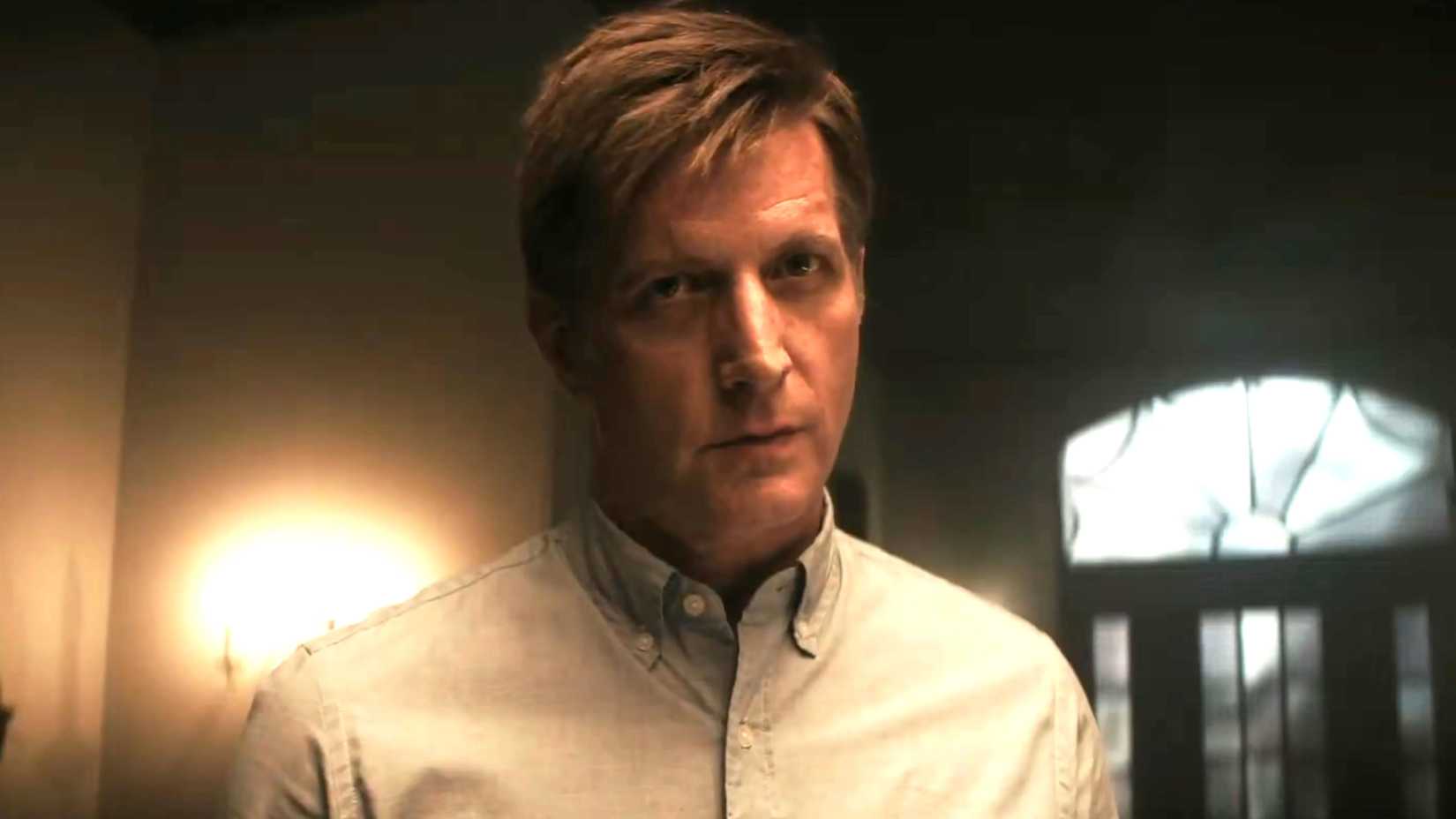
Paul Sparks’ Raymond looking ominously in The Mortuary Assistant
To Clarke and Beebe’s credit, they do recognize that not everyone has played The Mortuary Assistant, and therefore need to catch them up on how their take on demonic possession and fighting works. But with just a 91-minute runtime, it too often feels like they’re drowning viewers in how much they need to know in order to follow the plot. Even worse is just how long they take to actually lay out said rules for both Rebecca and the audience, with Raymond telling her multiple times she needs to figure everything out on her own before finally just explaining things to her.
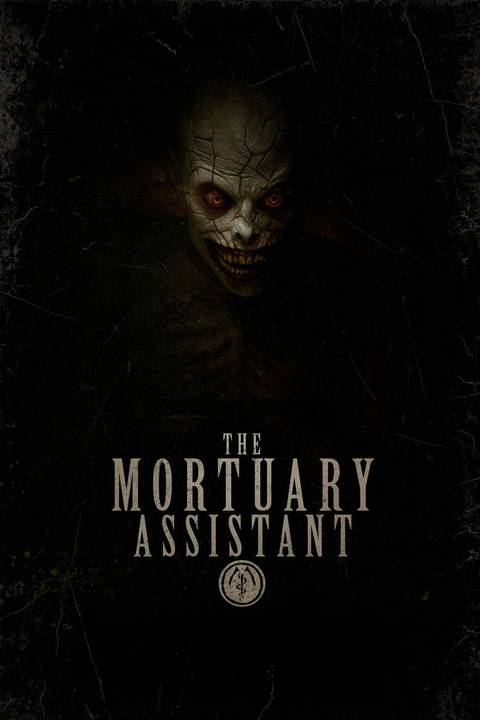
Beyond just being overwhelming in parts, this heavy focus on lore also takes away from letting The Mortuary Assistant be scary in any form. That’s not to say Kipp’s direction is lackluster, as he showcases a remarkably inventive sense of style alongside cinematographer Kevin Duggin (The Jester 2), and nicely keeps viewers scanning the background for any entities lurking. The decision to focus on practical effects also makes every scene involving the embalming process all the more chilling, and The Mimic a terrifying figure to see in live-action, even if the camera lingers a little too long to the point of risking its potency.
But where Kipp nails the unsettling atmosphere of the game, when he goes for more direct frights, whether they be jump scares or demonic apparitions of Rebecca’s loved ones, The Mortuary Assistant ends up feeling tepid. Understandably, he doesn’t have the same tricks the game does to deliver quick shocks, but even the various possession scenes feel a bit cheap and cheesy, with the actors growling and emoting in such an animated fashion it nearly elicits chuckles.
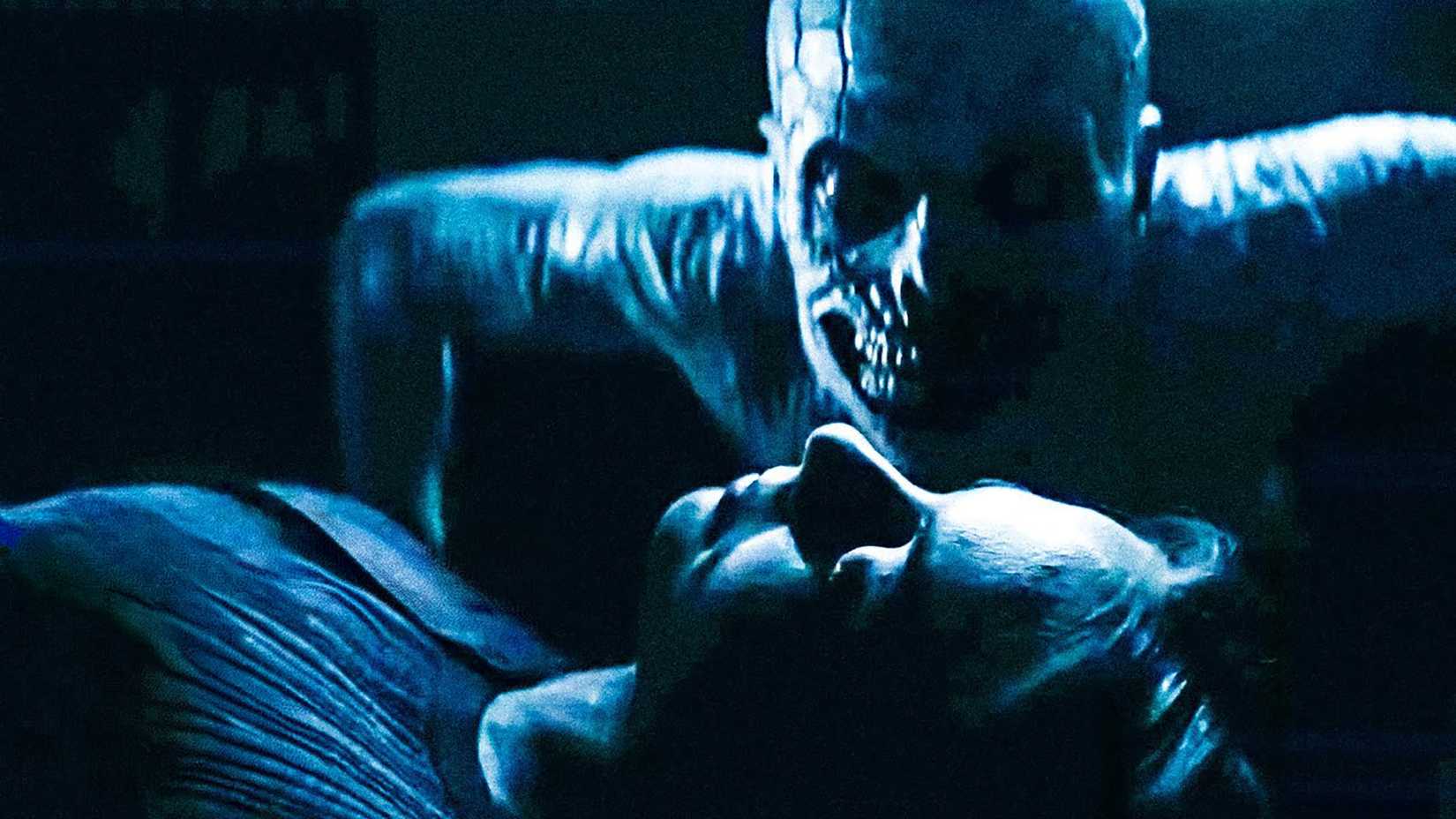
The Mimic sitting close to Willa Holland’s Rebecca as she’s unconscious in The Mortuary Assistant
Thankfully, Kipp has at least found two great leads to keep The Mortuary Assistant from feeling too over-the-top with Holland and Paul Sparks. The Arrowverse alum brings a striking subtlety to the emotional rollercoaster Rebecca goes through in the film, brilliantly capturing the little ticks and heartbreak as she deals with the demonic situation amid celebrating a key addiction recovery milestone. The House of Cards vet, meanwhile, brings an appropriate shiftiness to Raymond that nicely leaves viewers in the dark as to his actual motives and the mysteries later unveiled.
But despite having some really good parts driving it forward, it’s unfortunate that The Mortuary Assistant never quite finds its rhythm. It’s rich in a chilling atmosphere, has some appropriately unsettling imagery, and a great central turn, but with the terror never really registering and overstuffing its short runtime with lore, the movie feels like a throwback to the ambitious-yet-mediocre days of the video game adaptation genre.
The Mortuary Assistant hits theaters on Friday, followed by Shudder on March 27.
Release Date
February 13, 2026
Director
Jeremiah Kipp
Writers
Tracee Beebe
Producers
Patrick Ewald
Pros & Cons
The story faithfully recreates its game’s and maintains its core character themes.
Jeremiah Kipp’s direction proves nicely stylish.
The accurately recreated setting heightens the chilling mood of the film.
Willa Holland is a strong emotional anchor, while Paul Sparks is a respectable rule-giver.
The movie fails to capture the same terrifying heights of the game.
Its pacing rushes to deliver the necessary lore for non-gamers.
There are just enough changes to the game’s story that are lacking in intelligence.