
Listening on as his caller despairingly describes the conditions of the “modern-day concentration camp” where he’s confined, Kieran Cuddihy adopts a sombre tone, punctuated by the odd disbelieving sigh. But the host of Liveline (RTÉ Radio 1, weekdays) could be forgiven if, amid it all, he also experiences a frisson of grim satisfaction.
For while he’s clearly stunned by the stark testimony of Seamus Culleton, the Irishman detained in an Ice facility in Texas for the past five months, Cuddihy must also know it’s the kind of interview that ignites the wider news agenda, as indeed it does.
What’s more, having presented the phone-in show for three months now, he would be justified in thinking that his conversation with Culleton is the first real Liveline moment of his tenure, a marker that he’s moving out of the shadow of his predecessor, Joe Duffy.
That being the case, Culleton’s ordeal is the proverbial ill wind. Speaking from the tented camp where he has been held since being seized by Ice agents in Boston, the Co Kilkenny man paints a bleak portrait of his incarceration.
Locked in a room with 70 other men, served three “kid-sized” meals a day and forced to use filthy hygiene facilities, Culleton is in fear of his life: “People have been killed by the security staff.” As if to underline the precariousness of his situation – first reported in The Irish Times – his phone line drops out twice.
Just as chilling are the circumstances of his detention: Culleton recounts his car being followed before he was pulled over by several vehicles and arrested, despite having a work permit and being married to an American woman, Tiffany Smyth. (Culleton originally entered the United States on a 90-day visa in 2009. It later emerges he was facing drug charges at the time he moved to United States.)
The subsequent Kafkaesque legal machinations only add to the nightmarish quality: “It doesn’t feel real,” Smyth mournfully remarks.
Her husband maintains his composure, but is clearly near the end of his tether. “It’s just torture,” he says. “I don’t know how much more I can take.”
It’s a compelling slice of radio that immediately makes a splash: the Labour TD Duncan Smith promptly turns up on the show, urging the Government to act for Culleton’s release.
It’s also a classic example of the Liveline formula, where one person sharing their story brings an issue to life in relatably unfiltered fashion: Culleton’s raw account personalises the mass Ice round-ups with an immediacy that media reports can’t quite evoke. By way of emphasising the impact, Smyth appears on Wednesday’s show to express thanks for the outpouring of support in Ireland since Culleton’s call.
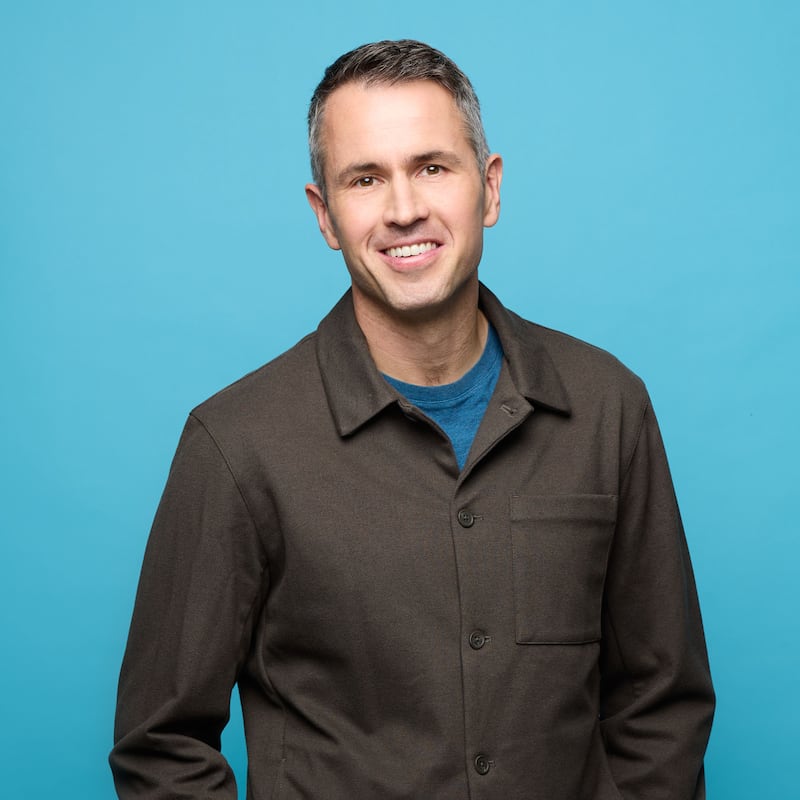 Radio 1: Liveline host Kieran Cuddihy. Photograph: RTÉ
The host plays his part in all this by largely limiting his contribution to factual queries. It’s a wise move that not only allows Culleton to do the talking, but also highlights how Cuddihy’s stewardship of Liveline is less emotionally performative than Duffy’s, without sacrificing impact.
True, there’s the odd bump. By hearing out the opinions of other callers, well meaning as they are, the flow of the show is interrupted. A larger caveat looms too. In focusing on the story of one Irish migrant, is Cuddihy sidelining, however unintentionally, the equally traumatic experiences of the thousands of other Ice detainees?
The host, to his credit, seems alive to this risk. Briefly chatting in advance of Wednesday’s show with Oliver Callan (RTÉ Radio 1, weekdays), Cuddihy archly notes how politicians speak of the “undocumented” Irish in the US while referring to illegal immigrants here.
Otherwise, the matter is hardly addressed. Ultimately, however, nothing should detract from the urgency and resonance of Culleton’s ordeal. As for Cuddihy, having heightened public interest in the case so forcefully, he deserves to bask in the moment.
One might think that the public has long lost interest in the secret-payments scandal that saw Ryan Tubridy exiting RTÉ in 2023, but that doesn’t deter Miriam O’Callaghan from revisiting the affair when speaking to her erstwhile colleague on Sunday with Miriam (RTÉ Radio 1).
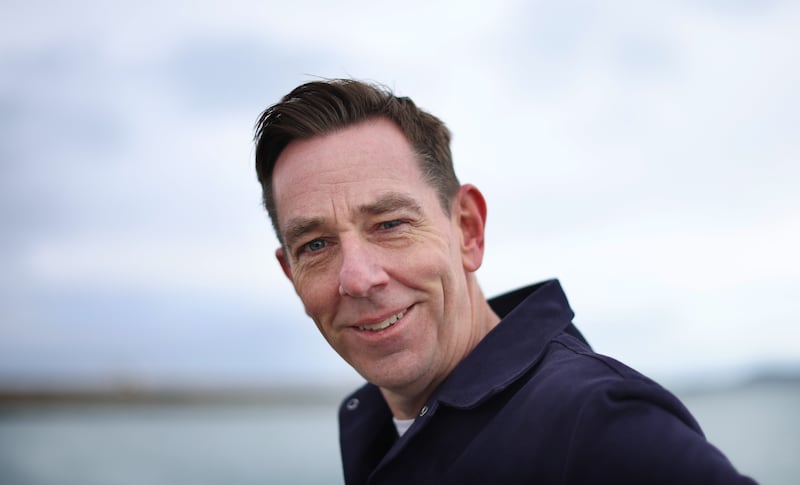 Ryan Tubridy’s defensiveness is unsurprising. Photograph: Bryan O’Brien
Flagged by O’Callaghan as Tubridy’s first interview on RTÉ since departing the network, it’s a revealing conversation, if not necessarily in the way either party intends.
That the encounter occurs on O’Callaghan’s chatshow doesn’t raise expectations of a rigorous grilling: the host’s modus operandi on Sunday mornings is determinedly soft-focus. But perhaps conscious of not appearing too cosy, O’Callaghan asks Tubridy detailed questions about the covert pay-deal arrangement while asking whether he has any regrets about the whole mess.
Not too many, seems the answer. “I have to accept responsibility for what I was responsible for,” Tubridy says, though it’s hard to discern what exactly he feels responsible for.
On the infamous payments, he says they were RTÉ’s suggestion, noting several times that the national broadcaster’s director general, Kevin Bakhurst, has said the scandal was mainly the network’s responsibility.
Tubridy also says he waived other payments. In as much as he has regrets, it’s that he wasn’t more “attentive” to the figures. He sounds more annoyed that his name is synonymous with the controversy: “I contend respectfully that this was a wall of scandal and I was one brick in the wall.”
Tubridy’s defensiveness is unsurprising: RTÉ’s finances were indeed a mess, and after the very public fallout, he clearly feels wronged. But asked whether he let down his colleagues, whose pay cuts he and his agent Noel Kelly sought to avoid by arranging the top-up, Tubridy looks to exculpate his actions – “I was trying to do the right thing, but that didn’t come out” – before allowing: “I hate that I let my colleagues down.” What was the hardest word again?
None of this is unexpected. Tubridy has told his side of the story several times, to Oireachtas committees and to this newspaper. What O’Callaghan expects him to add is unclear, beyond his presence boosting her show.
One can’t imagine Tubridy’s appearance rebuilding trust with former workmates, particularly when he says that Bakhurst did him a favour by showing him the door. (Siptu is balloting RTÉ employees on a vote of no confidence in the network’s leadership; the Radio 1 drama producer Kevin Reynolds says on Thursday’s Morning Ireland that staff morale is very poor.)
Otherwise, Tubridy seems content, relaxing when talk turns to new projects and his recent wedding. And though he says you can’t please everyone, he still thinks his case has yet to be fully heard. “I’d like to fix it, and if that means making a documentary or something, I’d like that.” Hmm. Not every story needs to be shared.
Newly installed as one of the hosts of The Hard Shoulder (Newstalk, weekdays), Shane Coleman remains as thorough as ever in his news coverage, but Tuesday’s show reminds listeners of his piercingly dry humour too.
With the Dublin Airport passenger cap to be lifted, Coleman hears Denis Drennan of the Irish Creamery Milk Suppliers Association, the farmers’ organisation, suggest Government climate policy targets agriculture while giving other sectors a free pass.
When Coleman notes that the farming sector recently received a derogation from EU nitrate rules, Drennan pushes back: “We’re probably the only sector that’s going to come anywhere near to meeting our targets.”
Coleman’s impish response is instant: “You won’t come anywhere near hitting your target, by the way.” Bullseye!