
Martin Lewis said there is one ‘specific, deliberate rule that is an advantage’ for married couples that will also help them make the most of their savings and investments
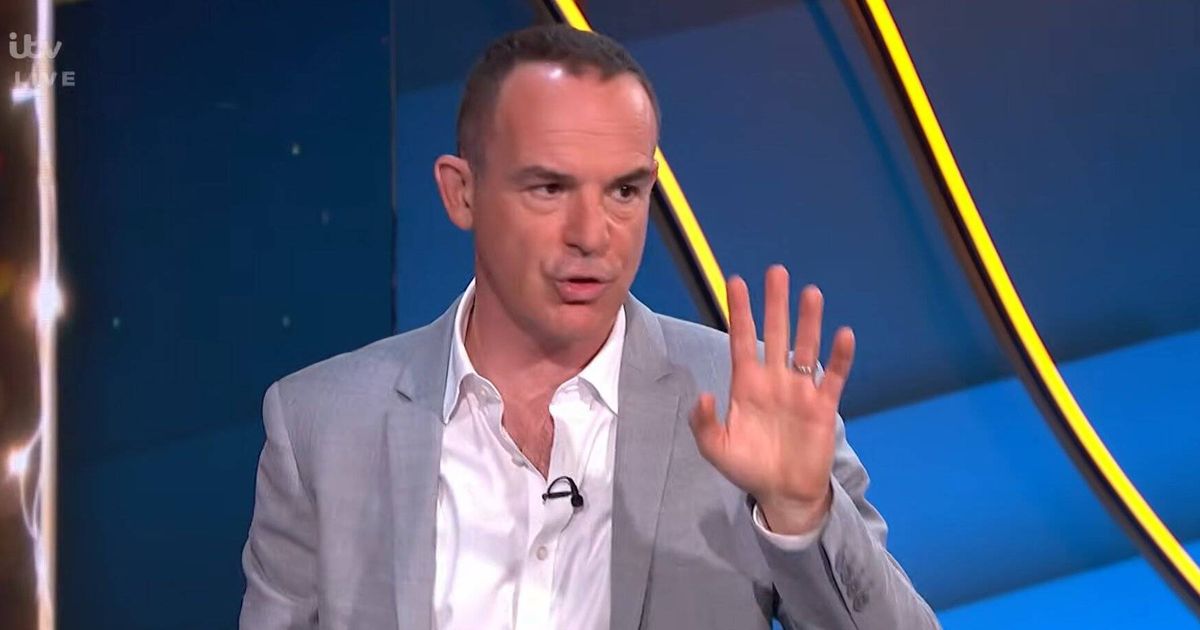
Martin Lewis gave tips to married couples who have some savings(Image: ITV)
Martin Lewis has issued crucial savings guidance for married couples and those in civil partnerships, revealing how they could pocket hundreds of pounds through smart management of their savings and investments.
During his ITV money programme, Mr Lewis outlined how couples can legitimately shift money between themselves to make the most of their individual savings allowances. The finance guru explained that savers benefit from a tax-free allowance on interest earnings, with the amount varying according to income levels.
He said: “Well, this is one of those specific, deliberate rules that is an advantage for married couples and people in civil partnerships. You can move money between you without any tax. I mean it’s been done to aid marriage in the tax. You want to move assets to maximize your tax-free allowances and minimize the tax rates that you pay. With savings, you’ve got the Starting savings rates, that’s for people on low income but high savings interest. The Personal Savings Allowance, you all know what that is?”.
“The £1,000 you can earn each year without paying interest if you’re a basic-rate taxpayer, £500 as a higher-rate taxpayer. Let me do an example of what I’m talking about based on that. So here you go. We’ve got Val and Tine, who are married. Val’s a 40% rate taxpayer. She’s got £1,500 a year of savings interest.
“Her Personal Savings Allowance is £500, so she has to pay tax on a 1,000 at 40%. That’s £400. Tine’s a 20% rate taxpayer. She’s got £500 a year of interest. She’s not using her tax-free allowance. She doesn’t pay tax. So, in a trusted relationship, if they move the savings, some of the savings from Val’s name into Tine’s name, this is what happens.”, reports the Express.
“Okay. Val’s now got £500 a year of savings interest. She’s got a £500 a year tax-free allowance. No tax. She was paying £400. Tine’s got £1,500 a year. She can earn £1,000 a year of interest tax-free. So she’s got £500 that’s taxable but she’s a 20% rate taxpayer, not a 40% rate taxpayer. So the tax is less. So she pays £100 tax. They’ve gone from a combined £400 tax on savings interest to a combined £100 tax on savings interest. Just by moving money between them.”
For someone classified as a higher rate taxpayer holding an account offering approximately 4.5 per cent interest, they would need savings of roughly £11,500 before facing tax on the interest earned. Meanwhile, a basic rate taxpayer could accumulate around £23,000 in savings at the same rate before interest becomes taxable.
In the UK, tax-free savings allowances permit savers to earn interest without incurring income tax, with thresholds determined by your tax bracket: £1,000 annually for basic-rate (20%) taxpayers – individuals earning between £12,570 and £50,570 – and £500 for higher-rate (40%) taxpayers whose income exceeds £50,570. Mr Lewis explained the regulations extend to dividends as well.
He said: “Now it doesn’t just apply to savings. If you’ve got dividends from shares you’ve got a £500 a year tax-free allowance. If you’ve got capital gains, you’ve got £3,000 a year. You’re selling your business, it’s in your name. You’re allowed to make £3,000 a year of gains on profits.
“Well, you could beforehand give half of it to your spouse and then you could both use your £3,000 each, moving money between you to maximize your tax allowances of the rule.”
He added: “And also, of course you can use your ISAs, your cash, your investment ISAs, to maximize that too. So putting money in the right place between you, all our lovely marrieds or newly marrieds or getting marrieds over there, is actually really an efficient way to use your cash. And it is deliberate. It is deliberate that you’re allowed to do that. It’s one of the benefits given to a married couple or civil partners.”