
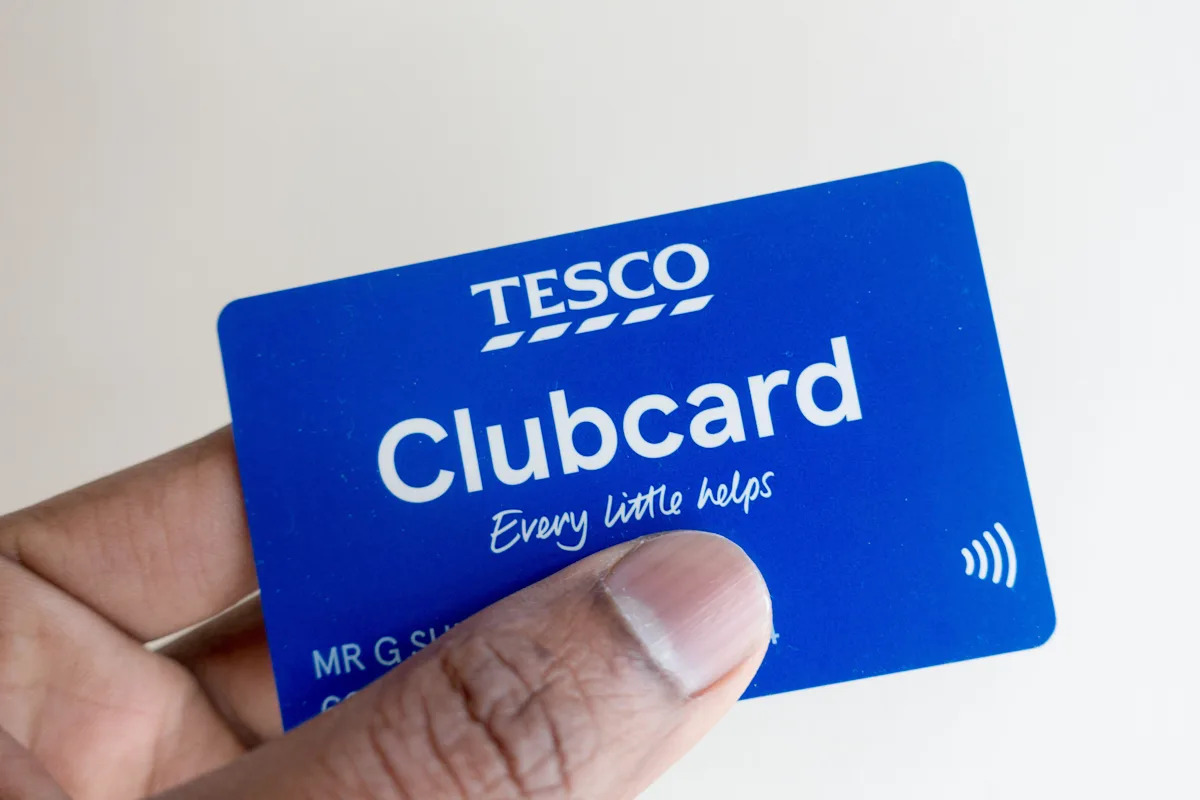
Tesco is planning to significantly change its Clubcard scheme by allowing people under 18 to sign up for the first time, potentially opening up access to lower prices for younger shoppers.
Currently, customers must be aged 18 or over to hold a Clubcard, meaning teenagers shopping independently have to pay higher prices.
However, the supermarket giant has confirmed to Yahoo News UK that it is “actively reviewing” the rule “with the intention of making Clubcards available to under-18s this year”.
The move follows long-running criticism of loyalty pricing from consumer groups, including Which?, which has previously argued that age limits mean millions of shoppers are excluded from cheaper prices offered through loyalty schemes.
Reena Sewraz, Which? retail editor, welcomed the change, describing the current rule as an “unfair policy of excluding young people” who may be struggling with the ongoing cost of living crisis.
She added: “We’re glad Tesco has listened – this is a big step in the right direction, provided it moves quickly to fully implement these changes.”
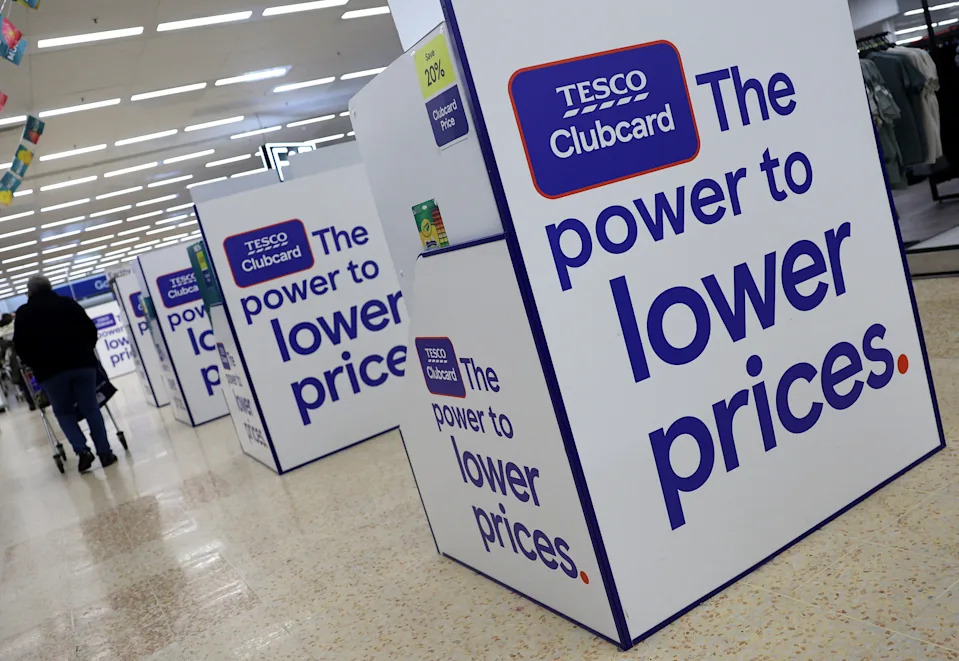
Tesco Clubcard allows members to pay less for many items in store.
(REUTERS / Reuters)
Loyalty pricing has become increasingly central to supermarket promotions in recent years, with discounts often only available to cardholders.
Consumer watchdogs say the savings can be substantial, particularly as food inflation has seen prices for basic foodstuffs rocket in recent years.
For younger shoppers, the proposed change could mean no longer paying more simply because they are unable to hold a card in their own name.
Tesco did not comment on when the change might happen exactly, or what the new age limit will be.
Most major supermarkets have a minimum age limit for their loyalty card schemes – here, Yahoo News UK looks at the rules for each one.
What are the eligibility rules for supermarkets?
Most major supermarkets operate loyalty schemes, but the rules around who can join vary – particularly when it comes to age limits and whether accounts must be held by adults.
Tesco Clubcard
Currently, shoppers must be aged 18 or over and have a UK address to sign up for a Clubcard. The scheme allows customers to access member-only prices and earn points that can be turned into vouchers or rewards. Tesco is now reviewing this age restriction.
Sainsbury’s Nectar
Nectar accounts generally require members to be 18 or over, although younger shoppers can collect points if they are added to a parent or guardian’s account. A UK address is required to register.
Asda Rewards
Asda’s app-based rewards scheme is restricted to over-18s and requires customers to register online or through the app. Unlike some other supermarkets, it focuses on building cash rewards rather than offering widespread loyalty prices.
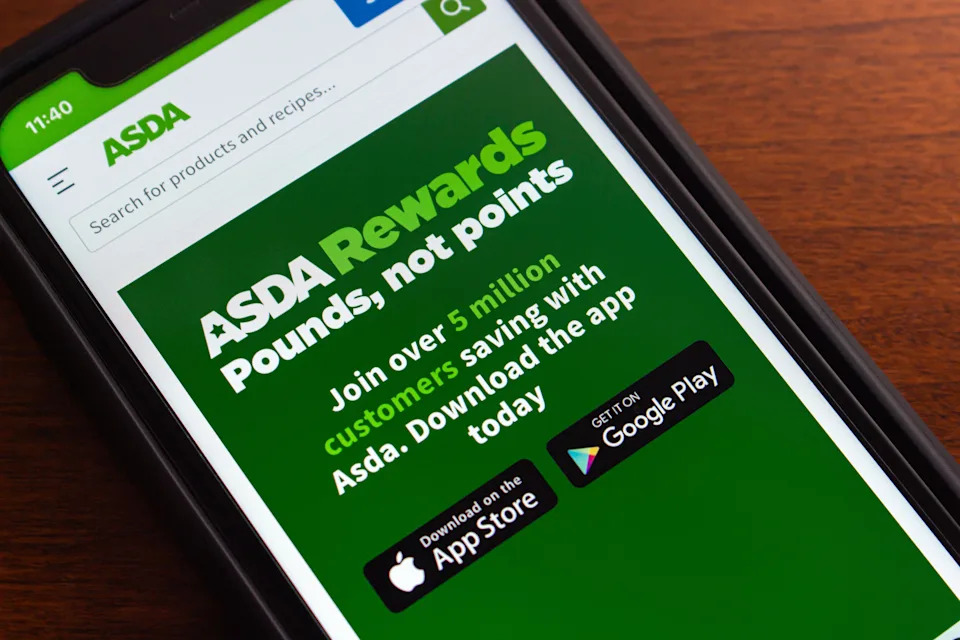
Asda Rewards focuses on building cash rather than offering in-store discounts.
(Koshiro K)Morrisons More
Morrisons states customers must be aged 18 and over to join its scheme – having previously allowed customers aged 16 and over to join. Members are able to pay less on selected products in store, while they also earn points and receive personalised offers.
Co-op Membership
The Co-op allows members aged 16 and above to join, and has previously offered junior membership options for younger users.
Lidl Plus
Lidl’s loyalty scheme requires users to be 18 or over and is entirely app-based, meaning customers need a smartphone and email address to participate.
Waitrose MyWaitrose
Waitrose membership is restricted to over-18s and requires customers to be UK residents, with sign-up typically completed online.
How much do supermarket cards save your shop?
Loyalty schemes can offer significant savings, but the amount varies depending on where and how you shop.
Research by the Competition and Markets Authority in 2024 found loyalty prices typically reduce the cost of promoted products by around 17% to 25%, suggesting discounts are generally genuine rather than artificially inflated.
Which? has also found that member-only pricing can lead to sizeable reductions on individual items, although savings differ between retailers and are often strongest on promoted products rather than across an entire shop.
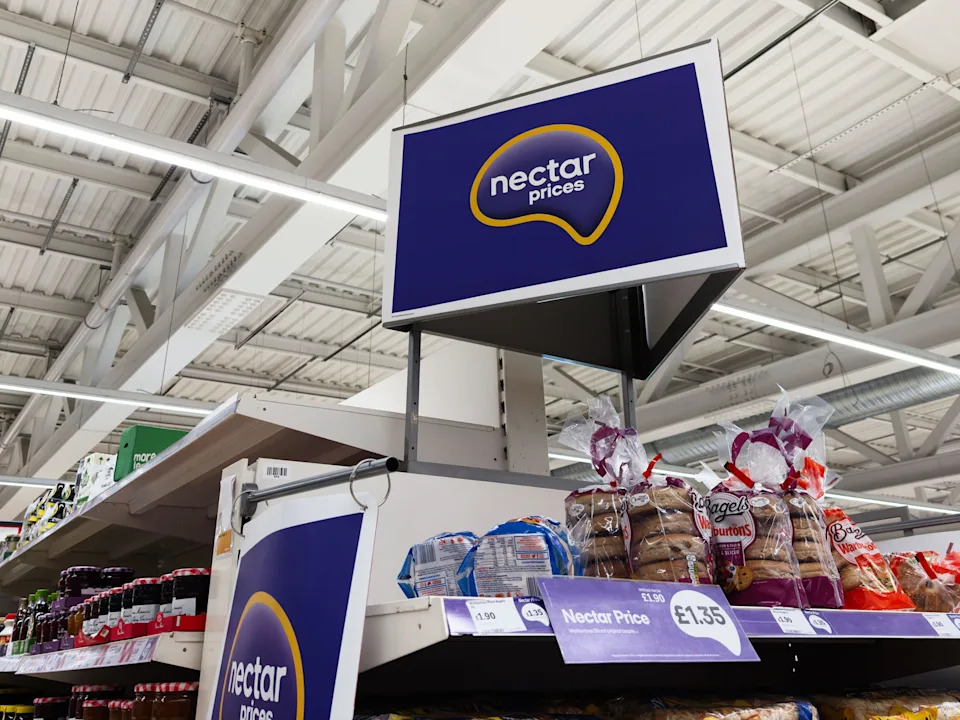
Sainsbury’s claims its Nectar scheme can save shoppers more than £450.
(Andrii Shevchuk)
In practice, schemes such as Tesco Clubcard and Sainsbury’s Nectar tend to offer the biggest overall savings because they combine instant discounts with points or personalised offers.
Some estimates suggest Clubcard users can save hundreds of pounds a year through a mix of lower prices and rewards, though this depends heavily on shopping habits and how often offers are used.
Tesco says the deals mean shoppers can save up to £375 off their annual grocery bill in a year compared with its regular prices, while Sainsbury’s claims its Nectar scheme can save more than £450.
However, consumer groups warn that loyalty cards should not be the only way shoppers judge value – prices still vary between supermarkets, and the cheapest option overall may sometimes be a different retailer altogether.