

A scientific review found there are at least 21 species of mosquitoes present in Ireland.
A townscape view of Drogheda, Co Louth (file photo)
Irish mosquitoes can theoretically carry malaria – but advanced health systems means they almost never pick up the disease from an infected human.
Drogheda has been identified as a key hotspot for flying pests in Ireland, according to a scientific review which found there are at least 21 species of present nationwide.
The study shows while most Irish mosquitoes feed on birds and animals such as cattle and horses, there are specific pockets where they feed on humans which also includes parts of Wicklow and Derry.
The research was undertaken amid reports last year of the detection of the West Nile virus in genetic material from mosquitoes which had been collected in Britain for the first time.
Contrary to popular belief, Ireland has many varieties of the blood-sucking insect. Study co-author Annetta Zintl, associate professor at the UCD School of Veterinary Medicine, said: “I think what is really interesting with regard to Irish mosquitoes is that it seems quite rare for them to bite humans.
“I think that’s the reason why so many people think there are no mosquitoes here because we’re so used to going abroad and being bitten by mosquitoes and not being able to enjoy being outside.
“And there’s certainly some of the really great nuisance mosquitoes that are present in continental Europe, that don’t seem to occur here.
“Now, there seem to be some places in Ireland where people get bitten. Drogheda is one place, and one place apparently, near Derry, where people report being bitten. I was recently in Wicklow, in one spot where we were bitten by mosquitoes.
“But the human biting mosquitoes seem to be quite rare and very, very localised here. Certainly much more localised than in continental Europe.”
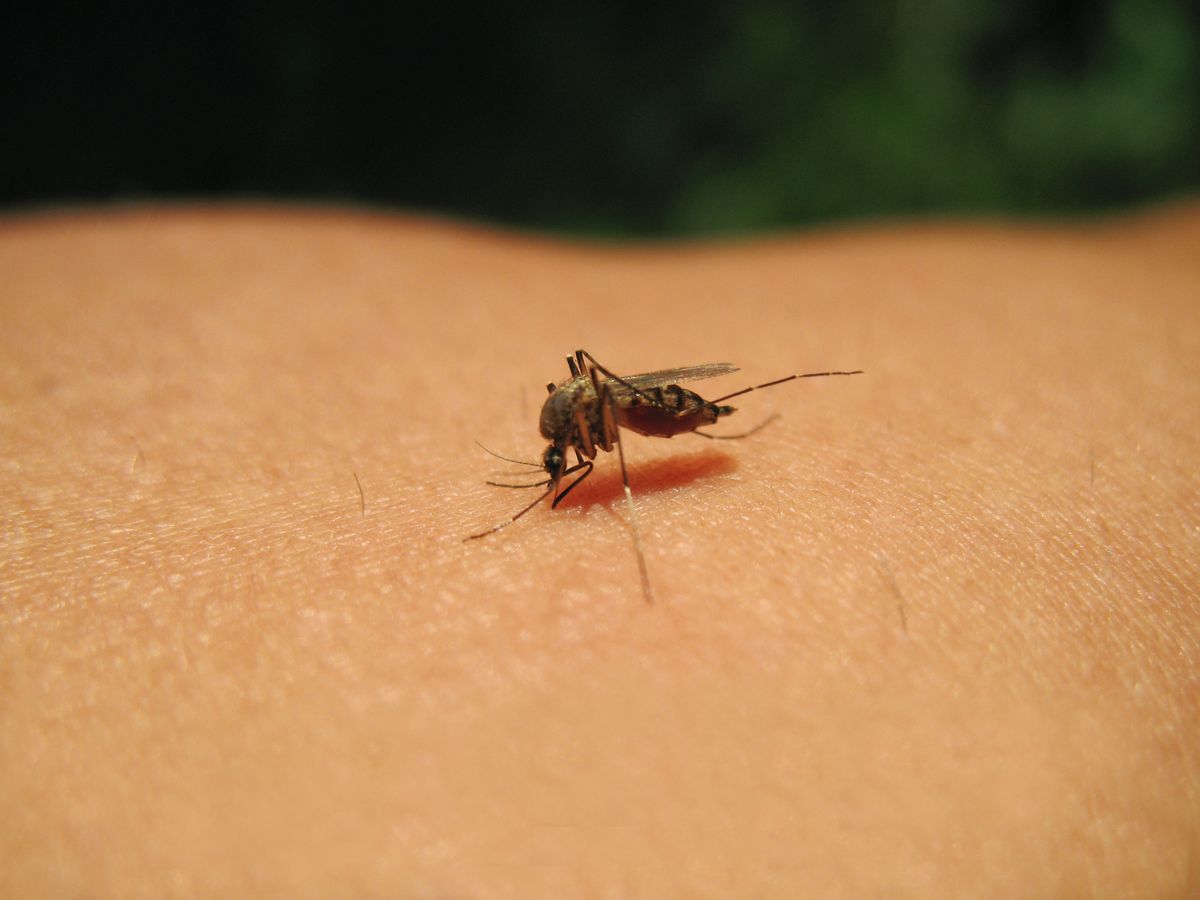
Mosquito (Image: Getty Images/iStockphoto)
The study, in the Irish Veterinary Journal, notes mosquitoes here are found in wetlands, floodplains, coastal salt marshes and areas with standing or seasonally flooded water.
Prof Zintl added: “We have mosquitoes here that can transmit malaria. But the fact is that they would have to get infected with the plasmodium, the organism that causes malaria. And for that to happen, they would have to feed on an infected person and we don’t have any infected people here, so there’s no way for them to become infected.
“People go travelling to all kinds of exotic places, and all over Europe, malaria cases are being notified. But almost all of them, 99% of them, are travel related. These are all just people coming back into Europe having been infected elsewhere and they get treated then.
“The local mosquito population don’t become infected because we have very good health care so you don’t have lots of people walking around with an active malaria infection.
“If you’re travelling, all bets are off, especially if people don’t take the prophylactic treatment and so on that you’re advised to take. The one thing that does happen is airport malaria. It affects people who live near the airport, so they become infected with mosquitoes that have travelled, infected mosquitoes that have hitchhiked on the airplane.”
The study noted the only locally acquired case of malaria reported in Ireland for decades was a case of airport malaria in 2022. But Professor Zintl said the mosquito-borne disease with the biggest risk of becoming an issue is West Nile Virus.
She added: “It’s much easier to establish a reservoir in a country, and also the mosquitoes that transmit West Nile virus, Culex pipiens, is a common mosquito in Ireland. But I’ve never met a Culex pipiens that bit humans.”
Want to see more of the stories you love from the Irish Mirror? Making us your preferred source on Google means you’ll get more of our exclusives, top stories and must-read content straight away. To add Irish Mirror as a preferred source, simply click here