
15 February 2026
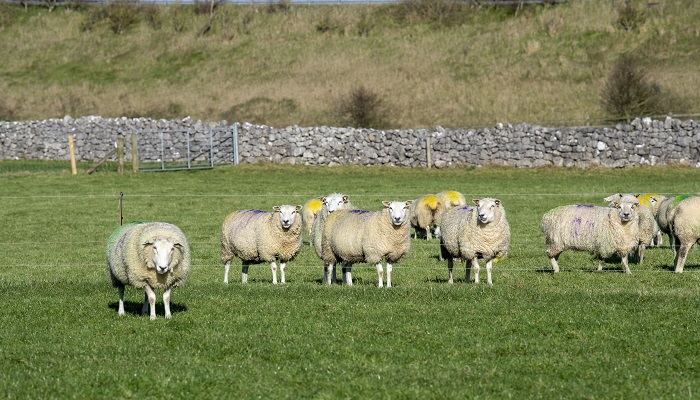
Proper nutrition of ewes in the weeks leading up to lambing is one of the most important factors influencing lamb survival, ewe health, and overall flock productivity. John Enda Flannelly tells us more.
The final six to eight weeks of pregnancy place significant nutritional demands on the ewe, as around 70 per cent of foetal growth occurs during this period. Careful feeding management pre-lambing helps prevent metabolic disorders, improves colostrum quality, and ensures strong, viable lambs at birth.
Body Condition Scoring
Body condition scoring (BCS) is a valuable tool for managing pre-lambing nutrition. Ideally, lowland ewes should lamb at a BCS of around 3.0, while hill ewes may be slightly leaner at 2.5. Ewes that are too thin will struggle to meet the demands of late pregnancy, while over-fat ewes are more prone to lambing difficulties and metabolic problems.
Body condition scoring should be carried out eight weeks before lambing to allow time for dietary adjustments. Thin ewes and those carrying multiple lambs should be prioritised for additional feeding.
Forage Quality and Supplementation
Good-quality forage forms the foundation of the pre-lambing diet. Silage or hay should be well preserved, palatable, and analysed if possible to determine its energy and protein content. Poor-quality forage alone is rarely sufficient to meet the needs of ewes in late pregnancy, particularly for multiples.
Concentrate supplementation is commonly introduced in the final eight weeks before lambing. The amount fed should be based on litter size, forage quality, and ewe condition. Single-bearing ewes may only require modest supplementation, while twin- and triplet-bearing ewes will need higher levels of concentrates. Feeding should be built up gradually to reduce the risk of digestive upsets and acidosis. The ingredients in the concentrate ration are important to consider when feeding ewes. A good quality protein source can increase colostrum and milk quality. Typically, a 18-19% crude protein ration would be suitable and high-quality cereals like wheat, barley and maize will help maximise energy intakes. The table below shows a feeding process up to 8 weeks for a ewe on good quality silage and a Body condition score of 3.0.
Weeks Pre-Lambing
8
7
6
5
4
3
2
1
Singles
0kg
0kg
0.1kg
0.2kg
0.3kg
0.4kg
0.5kg
0.6kg
Twins
0kg
0.1kg
0.2kg
0.3kg
0.4kg
0.5kg
0.6kg
0.7kg
Triplets
0.1kg
0.2kg
0.3kg
0.4kg
0.6kg
0.8kg
0.9kg
1kg
Minerals and Vitamins
Adequate mineral and vitamin intake is essential pre-lambing. Calcium and magnesium are important for muscle function and milk production, while selenium, iodine, and vitamin E play key roles in lamb vitality and immune function. Deficiencies can lead to weak lambs, increased stillbirths, and poor ewe performance.
Ewes should have access to a balanced mineral supplement specifically formulated for pre-lambing. Care should be taken to avoid excessive mineral intake, particularly with elements such as iodine and copper, which can be toxic at high levels.
Management and Feeding Practices
Consistency in feeding is crucial. Sudden changes in diet or feeding times can increase stress and raise the risk of metabolic disorders. Adequate trough space should be provided to ensure all ewes can feed at the same time, reducing bullying and uneven intake. Depending on the size of the ewe they typically need 450-600mm trough space for feeding concentrates.
Fresh water must always be available, as water intake directly affects feed intake and digestion. Close observation of ewes in late pregnancy allows early detection of problems such as reduced appetite or lethargy.