
Cases surged by over 50% in the last week
08:38, 15 Feb 2026Updated 08:39, 15 Feb 2026
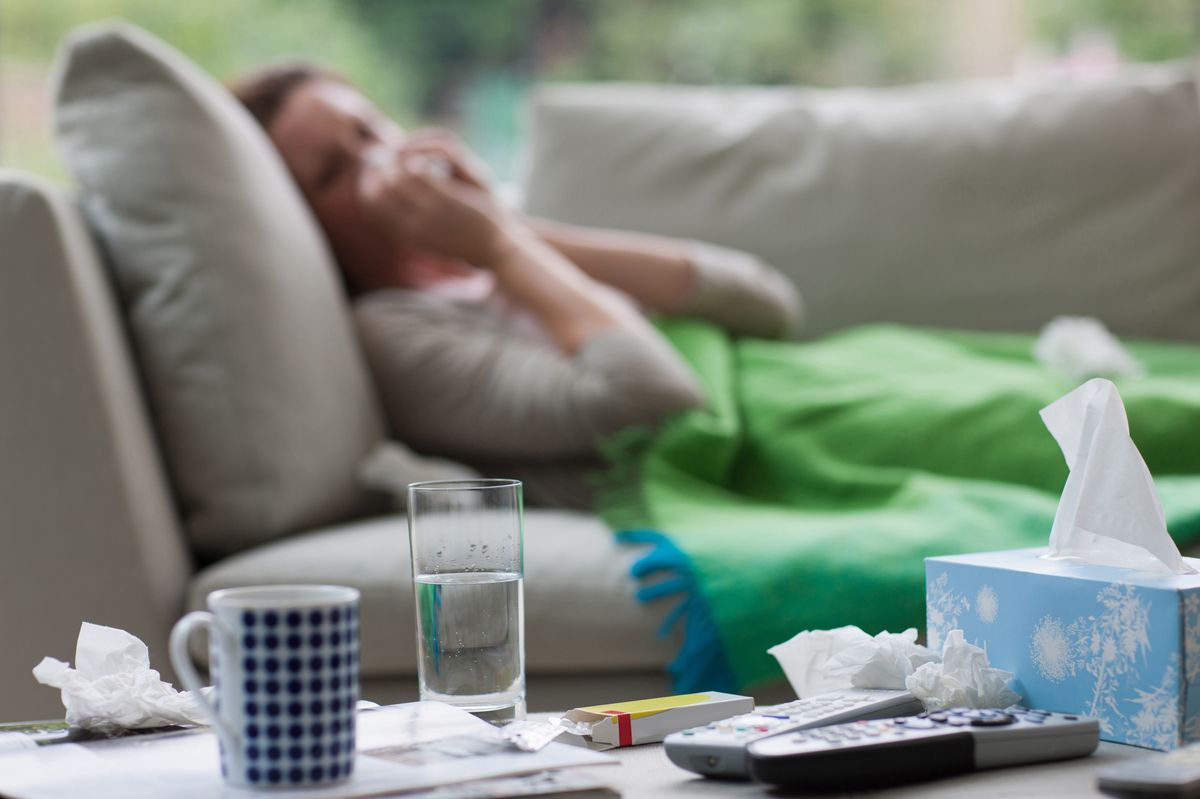
Norovirus can leave you stuck in bed (Image: Getty Images)
Ireland is dealing with a sharp rise in cases of a highly contagious bug, with the HSE warning the public to stay home for at least 48 hours if they start experiencing symptoms.
Cases of norovirus, sometimes known as the winter vomiting bug, have surged by more than 50% when compared to last week. The HSE has been notified of 676 infections so far this winter, and health officials say the increase is straining services that are already under severe pressure.
As numbers continue to climb, the HSE is urging the public to be aware of the signs and symptoms. Norovirus typically causes nausea, vomiting and diarrhoea. Some people may also experience a mild fever, headaches, stomach cramps and aching limbs. Symptoms usually begin one to two days after infection and can last up to three days.
There is no specific cure for norovirus, and antibiotics won’t help as it is caused by a virus. Most people can manage symptoms at home by resting and drinking plenty of fluids to avoid dehydration. Medical advice is not usually required unless symptoms become severe or there is a risk of complications.
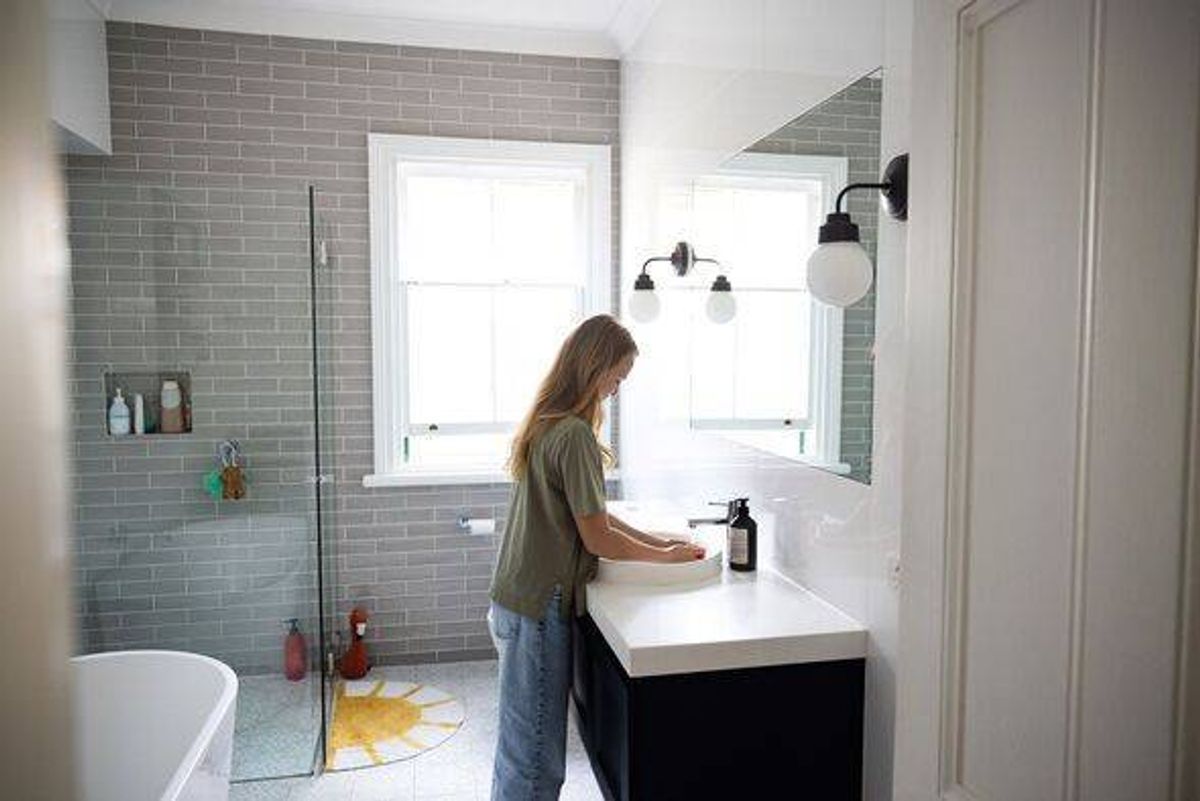
(Image: Getty)
A HSE spokesperson said: “This time of year brings an increase in seasonal illnesses such as norovirus. While these illnesses are unpleasant but mild for many, they can be very serious for older adults, young children and people with underlying health conditions.”
Norovirus spreads easily through close contact with an infected person, as well as through contaminated surfaces, objects and food, making outbreaks difficult to contain once they begin.
Dr Paul McKeown, Consultant in Public Health Medicine with HSE National Health Protection, stressed the importance of following the 48-hour rule – staying off work or school for at least 48 hours after symptoms have completely passed.
He said: “Norovirus cases have been at high levels in recent weeks and outbreaks in hospitals have increased. It’s not always possible to avoid getting norovirus, but you can help stop the virus spreading.
“Wash your hands frequently and thoroughly with soap and water. Stay off work or school for at least 48 hours after your symptoms have passed. You should avoid visiting anyone in hospital or care homes, or going out to socialise while sick, and for 48 hours afterwards.”
Dr Eimear Brannigan, HSE National Clinical Lead for Antimicrobial Resistance and Infection Control, added that everyone should take simple precautions to protect themselves and others, especially in hospitals, nursing homes and around vulnerable people.
She said: “Norovirus, for most people, is an unpleasant but mild illness that passes off quickly without any treatment. It can usually be managed at home – drinking plenty of fluids is usually all that is needed. It’s not always possible to avoid getting norovirus, but following the advice below can help stop the virus spreading.
“If you have vomiting or diarrhoea symptoms, do not visit hospitals, nursing homes, or vulnerable people at home. And avoid social visits to care settings while unwell. Outbreaks of norovirus and respiratory viruses in hospitals and nursing homes can cause serious disruption and increase risks for patients and staff. Your actions make a difference.”
The HSE issued the following guidance to stop the spread:
Stay home from work or school for at least 48 hours after your symptoms have passed. You should avoid visiting anyone in hospital or care homes, or going out to socialise while sick, and for 48 hours afterwards.If you have vomiting or diarrhoea, try to avoid visiting Emergency Departments – talk to your pharmacist or GP by phone instead. It is important not to bring norovirus into health or care settings; if staff become infected, this can lead to disruption of service, or closure of premises. If vulnerable patients become infected, the consequences can be very serious.However, if you think you are really unwell, you should not delay in going to the Emergency Department, but tell staff at reception that you have vomiting and diarrhoea so that precautions can be taken.Wash your hands frequently and thoroughly with soap and water.Disinfect any surfaces or objects that could be contaminated or soiled. It’s best to use a bleach-based household cleaner. HPSC has advice on cleaning and disinfection.Wash any items of clothing or bedding that could have become contaminated separately in a hot wash to ensure the virus is killed.Don’t share towels and face cloths.Flush away any infected poo or vomit in the toilet and clean the surrounding area thoroughly.Avoid eating raw, unwashed food produce.