
When I was a kid, there were occasional TV shows that everyone watched. I would look at Dallas with my parents, my mother tutting in disapproval whenever JR got up to anything sexual. (When he committed fraud or double-crossed people, she wasn’t so bothered.) We watched Roots, which for the first time gave me some inkling of how deeply racism was – and still is – uncomfortably ingrained into American culture.
The fact that I still remember those shows is partially because there was far less choice. Ask me to name my viewing highlights from the last five years, and I’d struggle to remember.
Every week The Irish Times – and most other newspapers (if we can still call them that) – publishes the details of forthcoming TV shows. Unless you were to give up work and stare at a screen full-time, it’s impossible to watch all of it; so inevitably, you fall behind. For a while, myself and Herself kept a physical list of shows we wanted to check out, but it grew so long that we stopped adding to it. It’s collecting dust somewhere.
We have tried to be ruthless. When we move on to something new, we can abandon it after the first or second episode. Yet that can feel like a waste of time, plus there’s always a niggling worry that we didn’t give it a chance. We choose shows based on what we might find interesting or entertaining, or what’s in the everyone’s-talking-about-it category.
Yet in the relentless push of social media, everyone’s talking about everything. Every show is the best (or worst) ever made, they’ve all been turned into memes, they all have some quality of capturing the zeitgeist. A zeitgeist can now last a fortnight, and we certainly can’t keep up. Most series we get to have been out for a year or more. We know people far behind us.
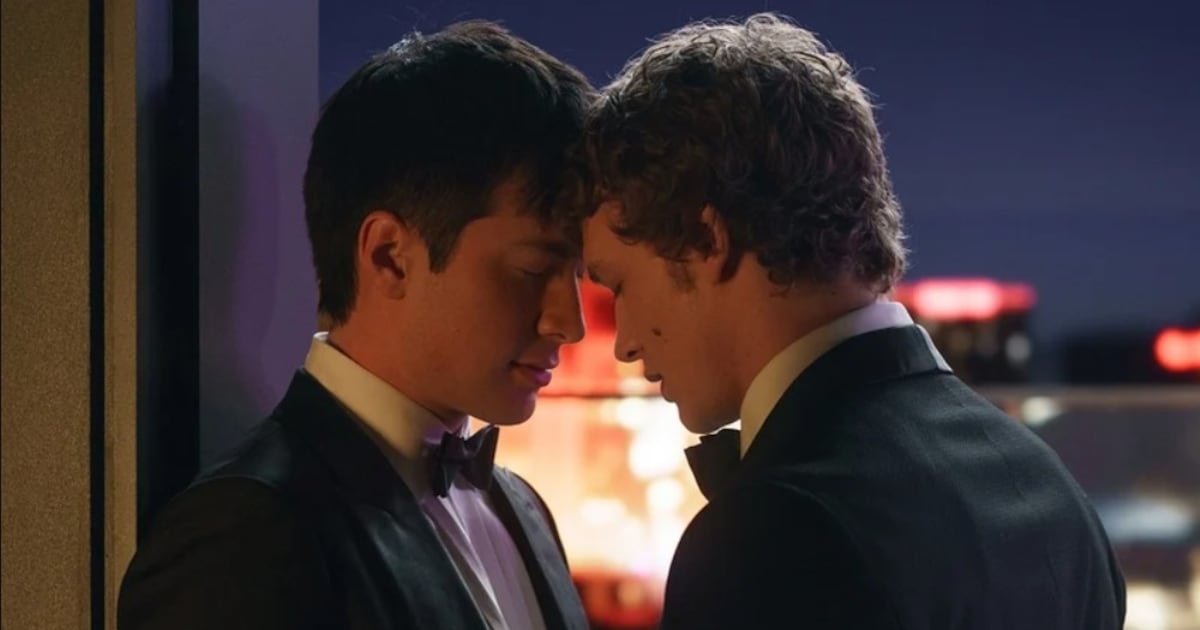
It tends to generate an odd cultural pressure. Heated Rivalry recently produced that kind of buzz. You had to watch it, straight away, and love it: if you didn’t, you were dead inside and possibly homophobic. Yet, contradictorily, social media provided enough information about the show to save you the bother of watching it at all. I haven’t, yet I know it’s about gay hockey players. I know what “I will go to the cottage” means. Online and on TV seem to be meshing into each other.
You can argue that it’s all too much – “cultural burnout” is now a thing – or you could argue that it’s nice to have choice, to have TV shows that appeal to different sorts of people.
Without doubt, some excellent shows are being made. Desperate for new “content”, the streamers are even willing to indulge genuine creativity.
Yet still I’m suspicious. In the same way that Spotify tells you what music you like, I can’t help but wonder how much of this is driven by algorithms, by identifying particular demographic groups and carefully devising how much drama, violence, sex and nostalgia that group likes to consume. Mix it up in the right proportions, choose a soundtrack from their youth, and you’ve got another show that everyone’s talking about.
Or at least, that seems to be the formula. It doesn’t always work. So, the streamers release more and more shows, in the hope that some of them will prove to be a hit. It’s a relentless torrent that’s impossible to keep up with. It’s impossible to keep up with any of it.
Boo hoo. First-world problems. But the massive production of popular culture increasingly resembles scrolling through social media. Have a look; if it doesn’t work, move on to the next thing. Watching a show, or watching a TikTok about a show, blurs into the same thing: just so long as you get that dopamine hit and then crave another. It’s not just teenagers who can be addicted to this. You can too.