
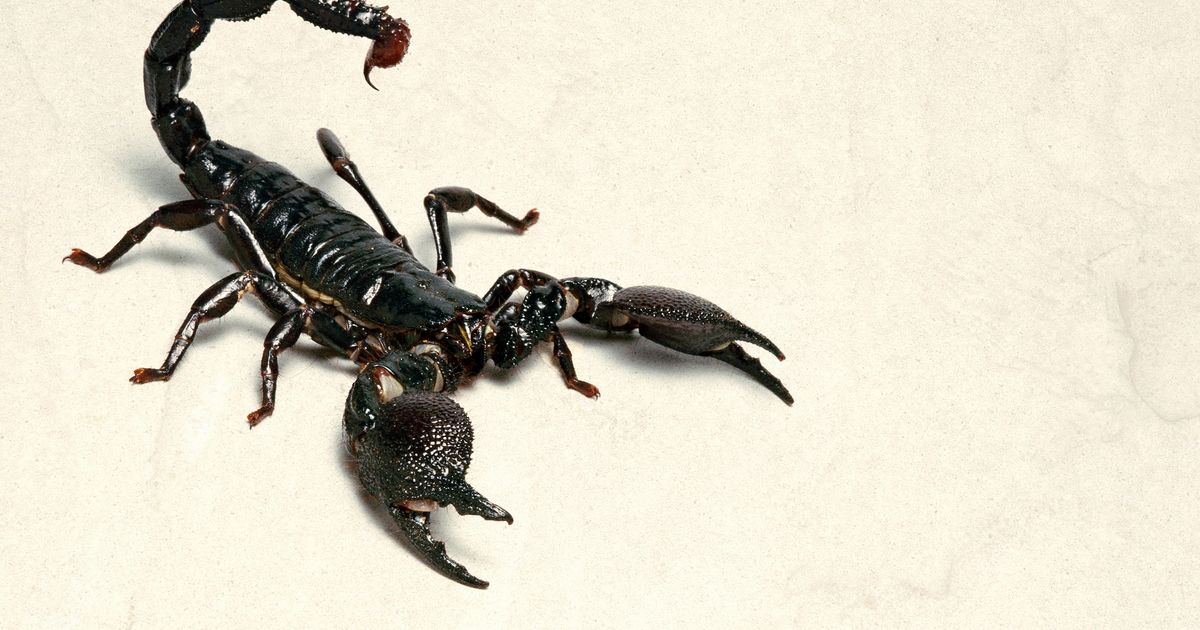
The boffins concluded key environmental conditions are what ultimately determine where lethal, venomous arachnids thrive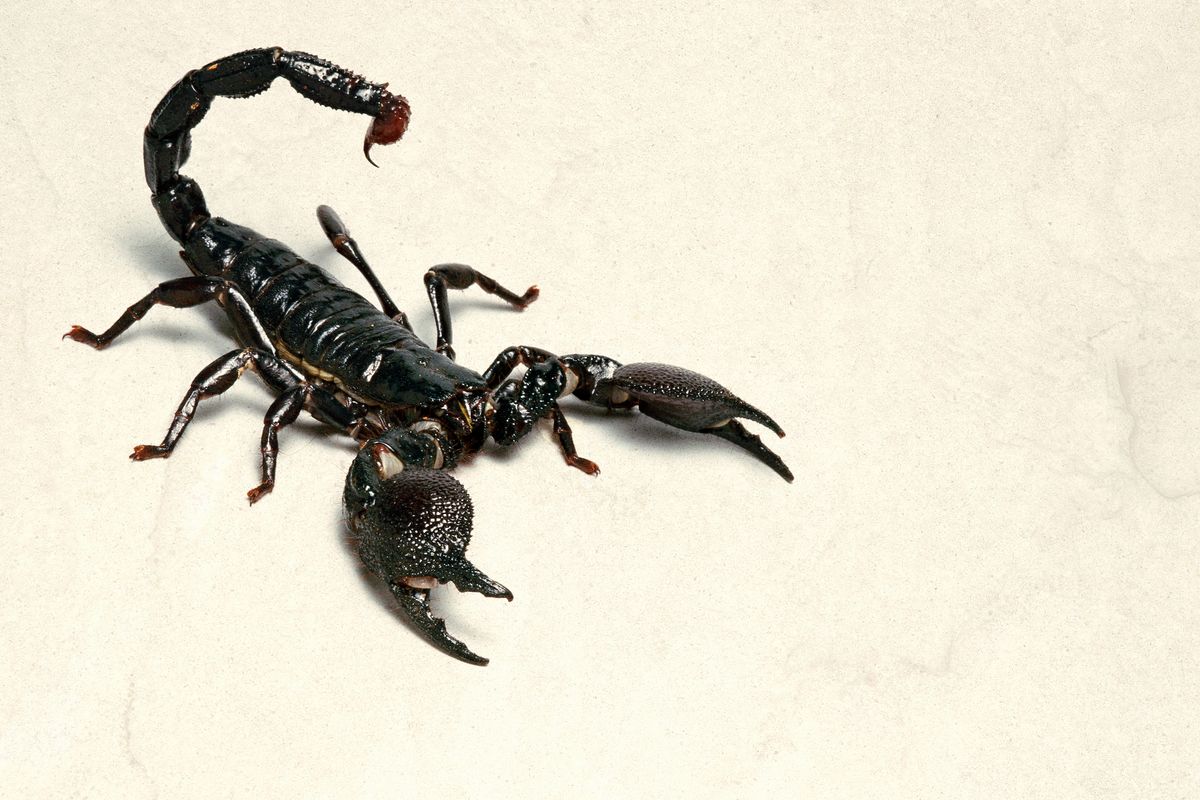
Elevated View of a Scorpion
Irish scientists were part of an international team that discovered how to identify and pinpoint hotspots for some of the world’s most dangerous scorpion species.
The boffins concluded key environmental conditions are what ultimately determine where lethal, venomous arachnids thrive.
They said this information can be used to help shine a light on flashpoints for scorpion stings in tropical regions across the globe.
The team of scientists used field observations in Africa combined with computer modelling to predict where dangerous scorpion species are most likely to be found and what factors influence their distributions.
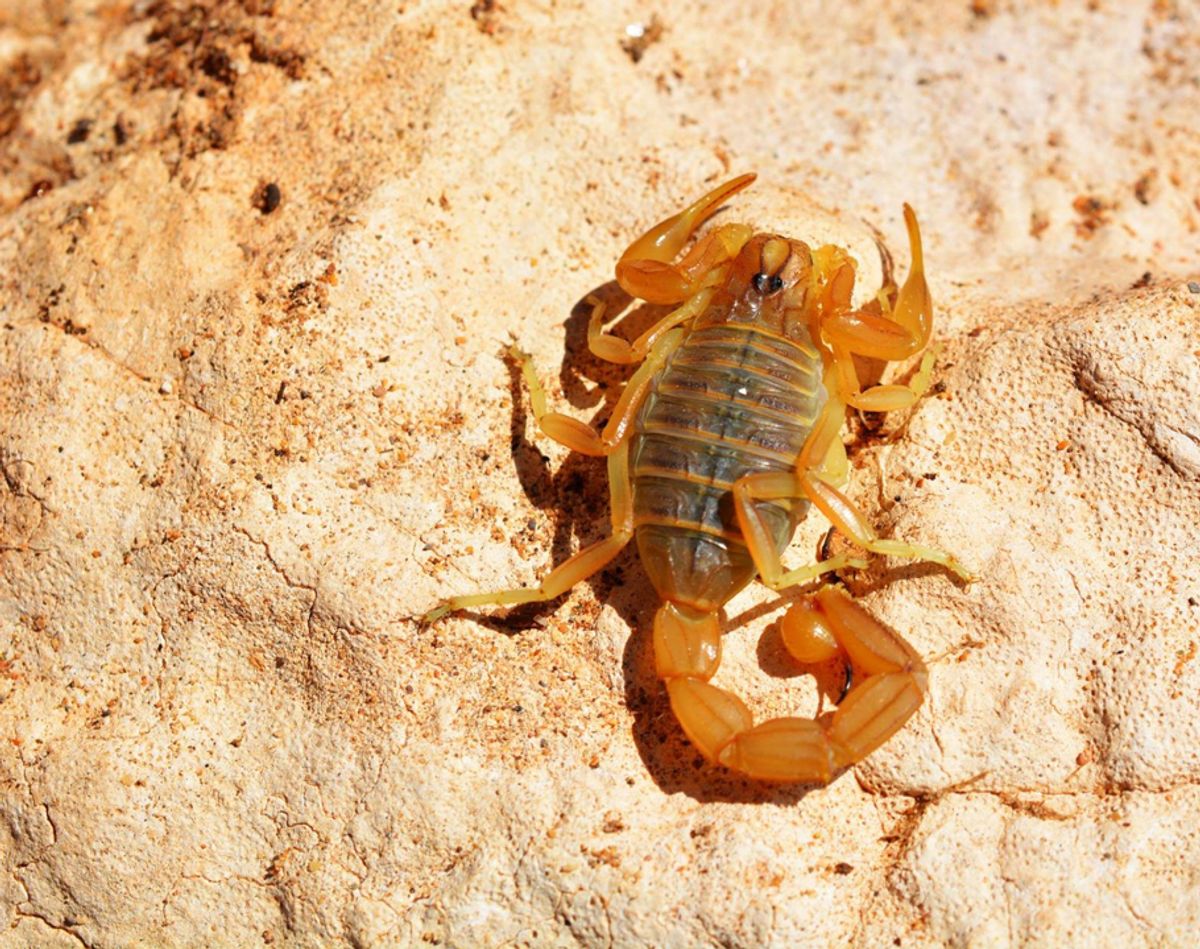
A golden Moroccan scorpion (Buthus sp.), which is responsible for a large number of stings throughout North Africa(Image: Dr Michel Dugon, University of Galway.)
Boffins ultimately found that the soil type largely determines where most scorpions live, while temperature, both average and seasonal ranges, play a key role for some species.
But not all scorpions behave alike. Some are adaptable and widespread, while several others showed extremely restricted predicted distributions, suggesting narrow habitat requirements and localised risk zones.
The research was conducted by an international team from the University of Galway, in partnership with the University Ibn Zohr in Morocco.
The findings of the study are published in Environmental Research Communications.
It focuses on central Morocco, one of the most severe global hotspots for scorpion stings, and aims to guide prevention strategies, as well as the development of new diagnostic tools and antivenoms.
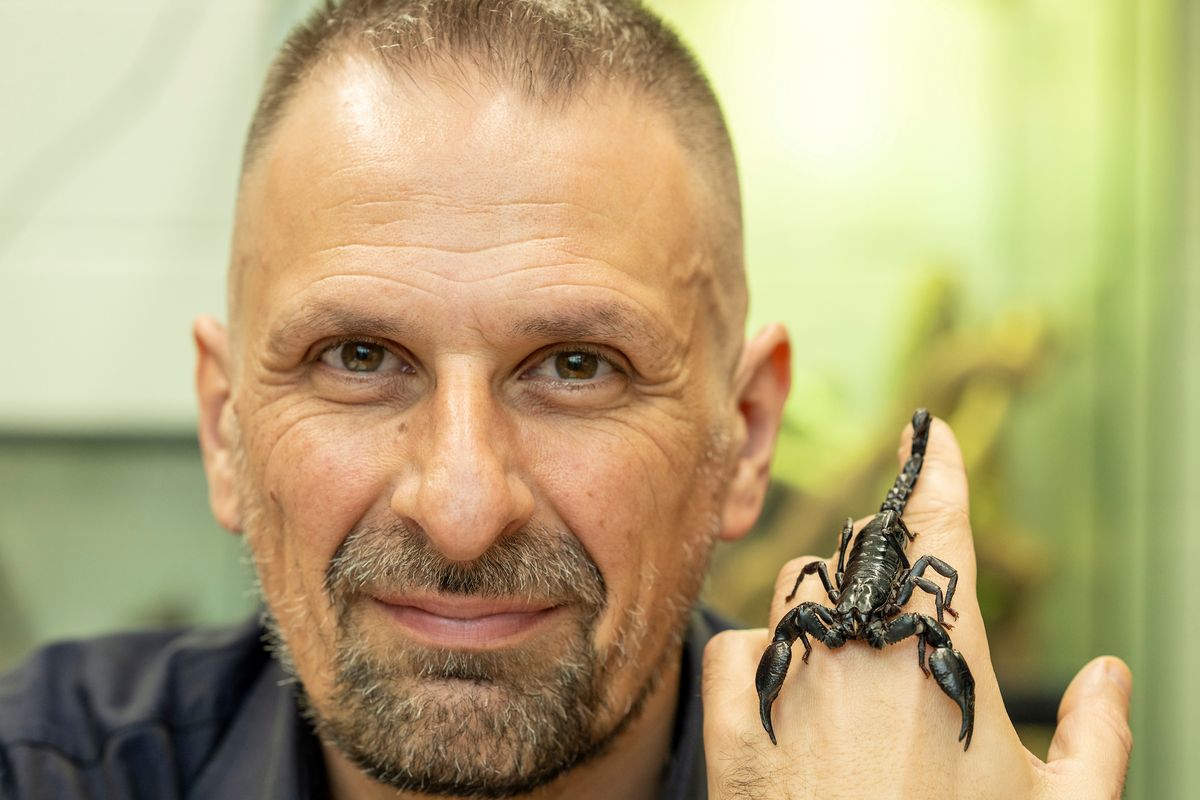
Dr Michel Dugon, Head of the Venom Systems Lab at University of Galway, with a Giant Asian forest scorpion (Heterometrus sp.)(Image: Andrew Downes, Xposure)
Dr Michel Dugon, Head of the Venom Systems Lab at University of Galway and senior author of the study, said: “The findings could save lives.
“By pinpointing where dangerous scorpions are most likely to appear, health authorities can target awareness campaigns, train frontline medical staff, and focus community prevention in high-risk areas, especially protecting children. The approach can be applied wherever scorpions pose a threat, from Brazil to the Middle East and India.”
Scorpion stings are a hidden global public health crisis, particularly across tropical and subtropical regions. Every year, more than two million people are stung. While most stings cause pain and swelling, some species can deliver venom that leads to very severe illness and death, especially in children and older people.
Globally, scorpion stings are estimated to claim the lives of more than 3,000 children annually.
While antivenoms exist for a range of scorpion species, medical teams often struggle to identify which species is responsible, making timely, effective treatment difficult.
Want to see more of the stories you love from the Irish Mirror? Making us your preferred source on Google means you’ll get more of our exclusives, top stories and must-read content straight away. To add Irish Mirror as a preferred source, simply click here