
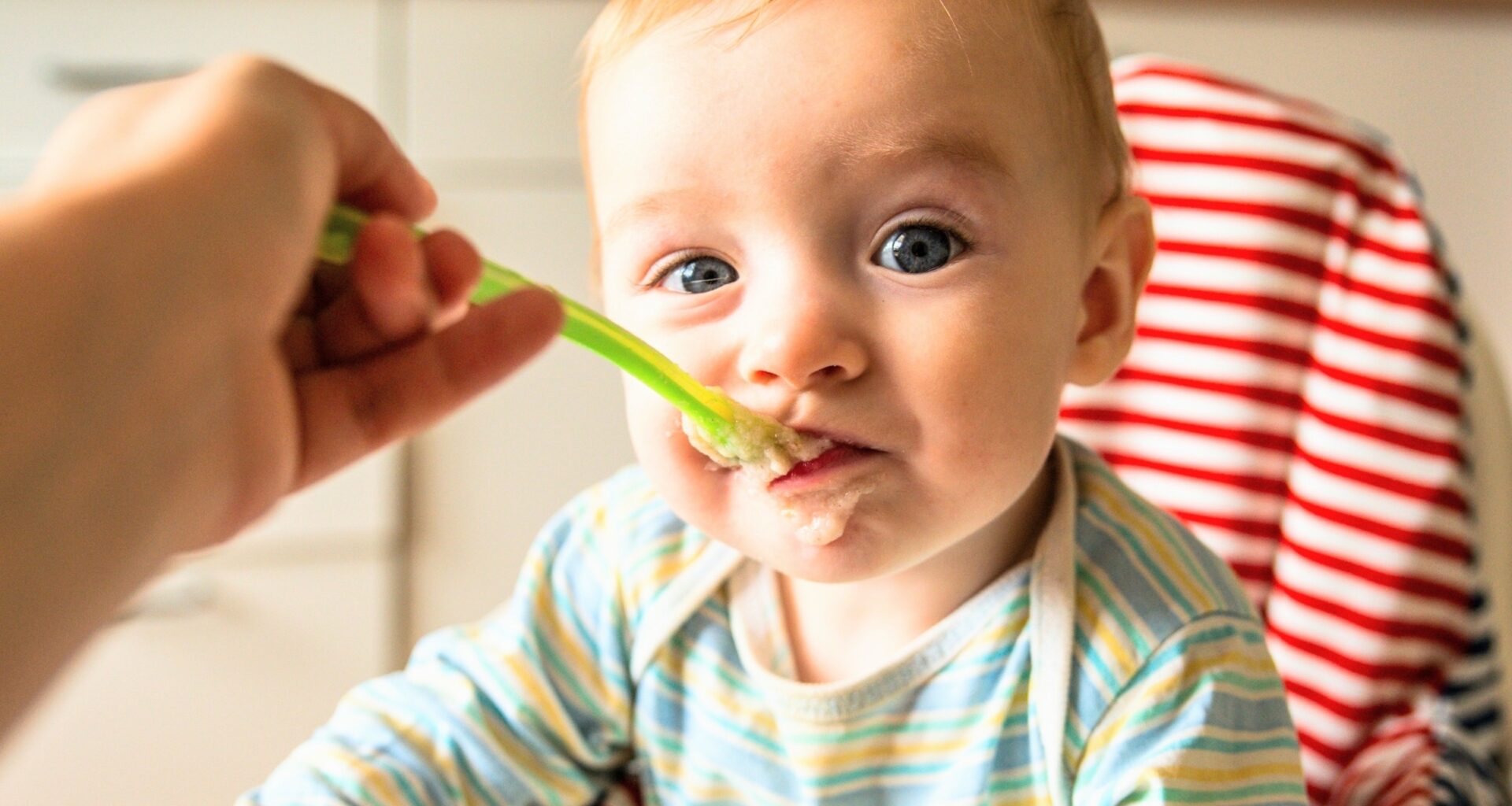
Nearly three quarters of baby foods sold in major U.S. grocery stores qualify as ultra-processed, according to a new analysis of the infant aisle.
The study reshapes how parents may see everyday jars, pouches, and snacks that often present themselves as simple first foods.
Baby foods that are ultra-processed

Across 651 infant and toddler products lining shelves in the nation’s largest grocery chains, ingredient labels revealed a market dominated by heavily formulated options.
By examining each of those labels, Dr. Elizabeth Dunford at The George Institute for Global Health documented how frequently industrial additives and refined components appeared in foods marketed for babies.
More than seven in ten products qualified as ultra-processed, putting them in the same broad category as many packaged foods marketed to adults.
Because that label depends on the ingredients manufacturers choose to include, knowing which additives trigger it is key to understanding what parents are actually purchasing.
Identifying industrial additives
To sort the products, Dunford used the NOVA system, a tool that groups foods by processing.
Instead of counting nutrients, the tool flagged products when ingredient lists included industrial substances and additives meant to change taste, texture, or color.
Flavors, sweeteners, thickeners, and similar add-ins counted as ultra-processed food (UPF) markers, so those ingredients pushed a product into the UPF bin.
NOVA draws a clear line, but it can also group very different products together when they share the same industrial ingredients.
Additives showed up in most products, and the researchers counted 105 different ones across the aisle. Flavor enhancers appeared in 36% of foods and thickeners, used to tune taste and texture, in 29%.
Emulsifiers, which help oil and water blend smoothly, appeared in 19% of products, while artificial colors showed up at the same rate.
With so many added ingredients, a baby food label can appear simple while still containing multiple extras.
Products with double the sugar
Sugar levels separated UPFs from less processed foods, especially in snacks and finger foods sold for older babies.
Added sugars and fruit concentrates boosted sweetness, and refined grains broke down quickly in the body, raising total sugar.
On average, UPFs held 14 grams of sugar per 3.5 oz, roughly double the 7.3 grams in others.
Only ultra-processed products contained added sugars, so that extra sweetness did not show up in the simpler foods.
Higher levels of sodium
Sodium levels ran higher in ultra-processed baby foods, with the sharpest rise in savory meals and snacks.
Salt and other sodium-based ingredients help preserve flavor, and they can push tiny servings toward adult-like seasoning.
Across food types, ultra-processed baby foods averaged 70 milligrams of sodium per 3.5 oz serving, compared with 41 milligrams in less processed options.
Higher sodium often coincided with higher calorie density, so babies could take in more energy without the same fiber.
Packaging drove the trend
Packaging type predicted processing, with snack-size packs showing the highest share of ultra-processed foods on the shelf.
Manufacturers use that format for finger foods and melts, where longer ingredient lists help keep shape and crunch.
Snack-size products were ultra-processed 94% of the time, while pouches landed at 73% and full-size packs at 86%.
As pouch sales climbed nearly 900% since 2010, convenience increased – and highly processed options became more accessible.
Additives may harm health
In mice, common emulsifiers changed gut microbes and thinned a protective mucus layer, which can promote inflammation.
A randomized trial linked certain artificial food colors and a preservative to higher hyperactivity scores in children.
“We’re seeing a growing body of evidence that certain additives may harm health,” said Dr. Dunford.
What the guidelines say
Federal Dietary Guidelines for Americans now tell families to avoid added sugars during infancy and limit highly processed foods early.
Because taste learning starts early, repeated exposure can lock in familiar flavors before a child can ask for different food.
“Infancy is a critical time for shaping lifelong eating habits and introducing babies to foods that are overly sweet, salty and packed with additives can set the stage for unhealthy preferences that last beyond childhood,” said Dunford.
That warning puts pressure on labeling, since parents cannot spot processing level without reading every ingredient line.
Limitations of the study
Ingredient lists can miss key details, so the study could map what was included but not the amount of each additive.
Labels also say little about factory steps, and they cannot show how heat, pressure, or drying changed the food’s structure.
Because the dataset lacked sales numbers, the results describe what sat on shelves in 2023, not what babies ate.
Still, the patterns were clear enough to spot better options, and they set a baseline for tracking reformulation over time.
Parents face a baby food aisle where ultra-processed products are common, and the clearest signal often sits in the ingredient list.
Clearer standards for baby foods could reduce guesswork, while new research tracks how early exposure to additives affects growth and gut health.
The study is published in the journal Nutrients.
—–
Like what you read? Subscribe to our newsletter for engaging articles, exclusive content, and the latest updates.
Check us out on EarthSnap, a free app brought to you by Eric Ralls and Earth.com.
—–