
Your support helps us to tell the story
From reproductive rights to climate change to Big Tech, The Independent is on the ground when the story is developing. Whether it’s investigating the financials of Elon Musk’s pro-Trump PAC or producing our latest documentary, ‘The A Word’, which shines a light on the American women fighting for reproductive rights, we know how important it is to parse out the facts from the messaging.
At such a critical moment in US history, we need reporters on the ground. Your donation allows us to keep sending journalists to speak to both sides of the story.
The Independent is trusted by Americans across the entire political spectrum. And unlike many other quality news outlets, we choose not to lock Americans out of our reporting and analysis with paywalls. We believe quality journalism should be available to everyone, paid for by those who can afford it.
Your support makes all the difference.Read more
A Lidl employee was dismissed from his job after drinking a 17p bottle of water because he felt “dehydrated” while working at the checkout, an employment tribunal has heard.
Julian Oxborough, who had served Lidl for more than a decade at its Wincanton store, subsequently had his claim for unfair dismissal rejected by the tribunal.
The incident unfolded on 19 July 2024, when Mr Oxborough was serving a customer who wished to purchase a bottle of water taken from a multipack, which lacked a barcode. The customer exchanged it for a barcoded bottle, leaving the original at the till. Later that day, Mr Oxborough drank from the discarded bottle and used it to top up his own drink as he continued to serve customers.
The following day, a store manager discovered the bottle near the checkout and suspected a breach of company policy. A review of CCTV footage led to Mr Oxborough being invited to a meeting and suspended pending an investigation into allegations of gross misconduct.
During the inquiry, Mr Oxborough explained he was experiencing dehydration during his shift and was concerned about his health, noting he had made his personal squash drink too strong to consume. He stated he believed the multipack bottle could be written off, having observed single bottles of water in the canteen without receipts.
open image in gallery
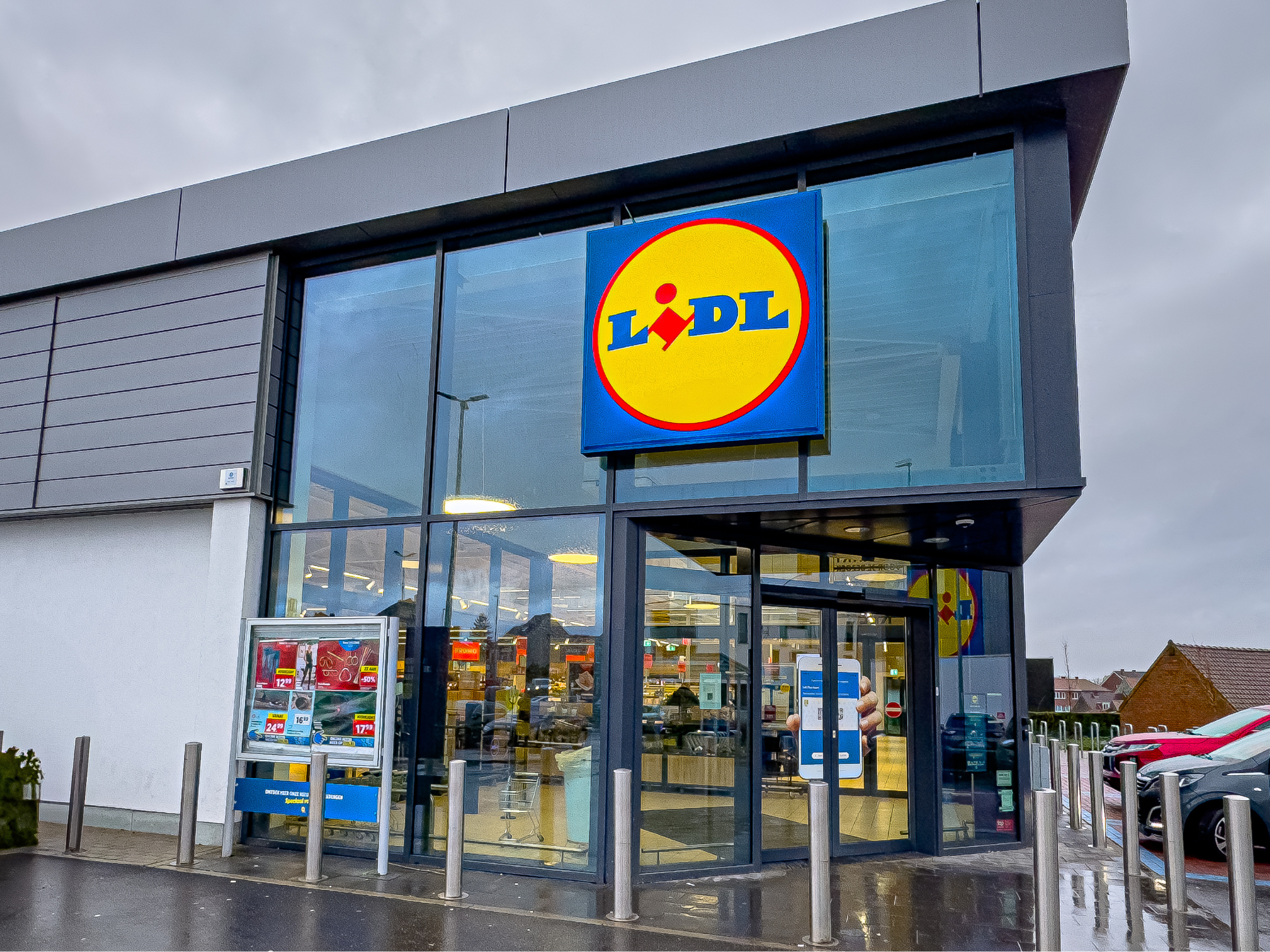
Mr Oxborough described his subsequent dismissal as ‘a huge overreaction’ (Getty/iStock)
When questioned about payment, he admitted: “No, I think I may have forgot or can’t actually remember taking it.” He further claimed he was in a rush at the end of his shift and forgot to have the item written off, asserting he had no intention of being dishonest, though he acknowledged it was wrong afterwards. Mr Oxborough described his subsequent dismissal as “a huge overreaction”.
However, area manager Karina Moon, who oversaw the disciplinary process, told the hearing that Mr Oxborough had provided inconsistent explanations regarding his intent to purchase or write off the water. She also questioned why he had not opted for tap water instead. Ms Moon highlighted that Mr Oxborough had four days after the incident to come forward but failed to do so. She concluded that he was aware of the correct procedures and that there was no assurance his behaviour would not be repeated, leaving no suitable alternative to summary dismissal for gross misconduct.
open image in gallery
The employee was sacked after he drank the bottle of water when working on a checkout (PA Wire)
At the tribunal, Mr Oxborough reiterated his lack of dishonest intent, attributing his actions to being tired, stressed, hot, thirsty, unwell, worried about contracting Covid from his partner, and in a hurry to catch a bus at the end of his shift.
An Employment Tribunal in Southampton later upheld Lidl’s decision, with Employment Judge Yallop dismissing Mr Oxborough’s claims, including unfair dismissal.
A spokesperson for Lidl commented: “We would never take the decision to dismiss a long-serving colleague lightly, and the tribunal has upheld that our actions were fair and followed a thorough process. As a retailer, maintaining a consistent zero-tolerance approach to the consumption of unpaid stock is essential to our operations and ensures that clear rules are followed by everyone across the business.”