
Planning to make pancakes this week?
Shrove Tuesday marks the start of Lent, which was traditionally a time of religious fasting from meat and animal products. Pancakes were a way to indulge in eggs, butter and milk before the abstinence began, according to the National Museum of Ireland.
These foods weren’t consumed again until Easter Sunday, in some traditions. But what did our ancestors do with the surplus eggs, butter and milk for 40 days? If food prices were as crazy as they are today, you can be sure they would be mindful of waste.
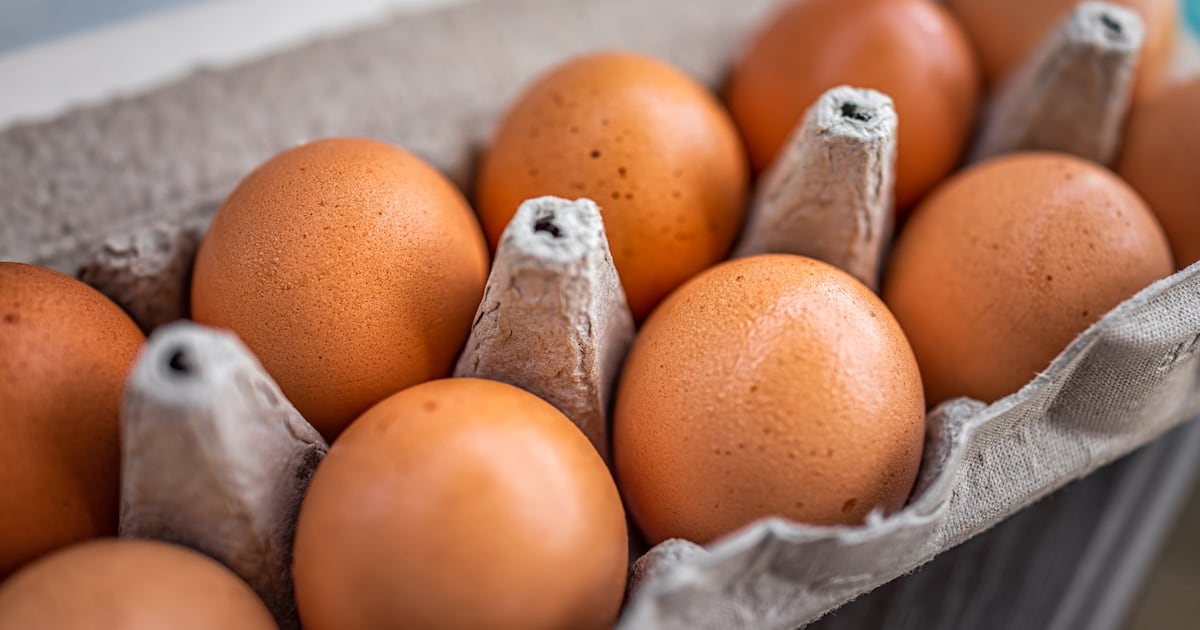
A freezer would have come in really handy for the ascetics, and eggs are one of the many surprising things you can freeze. Freeze them, but not in their shells, and they will last for up to a year, according to Stopfoodwaste.ie, an Environmental Protection Agency (EPA) initiative. You could actually still use them for next year’s pancake Tuesday.
With food prices escalating as they are, freezing eggs for a year could even be an act of financial hedging. Eggs, along with dairy products, are among the items whose prices are rising fastest.
Unprocessed foods like eggs – a category that also includes meat, poultry, fresh fruit, vegetables, whole grains and cereals – saw an annualised increase in price of 5.8 per cent, according to Central Statistics Office (CSO) figures published in January. That’s more than twice the overall rate of inflation.
You can pay about €2.50 for half a dozen eggs these days; that’s about 42 cents per egg. If freezing an egg seems like a hassle, think of it like throwing money in the bin. Would you throw 42 cents in the bin?
To freeze whole eggs, beat them first and put them into silicon muffin trays or a freezer bag, says Stopfoodwaste.ie. Spare egg whites and yolks can also be frozen. When freezing several eggs, label with the number of eggs, as well as the date.
You can freeze milk too. So if you find you have extra in the fridge that you won’t consume before the use-by date, just freeze it.
Milk will be fine in the freezer for up to a month. It expands when frozen, so use a little bit first to make extra space in the container.
You can freeze milk in its container if it’s plastic, but not in glass bottles, according to Lovefoodhatewaste.ie – a resource of the global environmental charity, WRAP. Alternatively, freeze milk in ice cube trays for popping straight into your hot drinks.
Ideally, you should defrost frozen milk fully in the fridge. Or use a microwave on the defrost setting. But if it’s frozen in an ice cube tray, you don’t need to defrost it for using in your cuppa or adding to sauces, says the charity.
You can also freeze rice and potatoes, two other staples whose prices are rising fastest and that we often cook too much of. You can freeze yoghurt in its container too, and cheese (grate it first).
Irish households threw away an estimated 221,000 tonnes of food in 2023, according to the EPA. That’s equal to about 120kg of food waste per household, or 43kg per person. That’s about half the weight of a full brown bin, says the EPA.
Households could save about €60 per month, or €700 a year, by avoiding food waste, the agency estimates.
Food waste contributes to climate change too, with greenhouse gas emissions from food production, manufacture, packaging, transport and waste warming our planet. The impacts include the rising sea levels, flooding and extreme weather events that are already putting lives and livelihoods at risk.
Escalating food prices can make us feel powerless – and life is busy, so freezing and defrosting takes planning – but the “season” of Lent could be a chance to develop a habit that’s good for your pocket and for the planet.
A 40-day fast is one way to control your grocery bill, or you could just limit your food waste and get freezing. For more, visit Stopfoodwaste.ie