
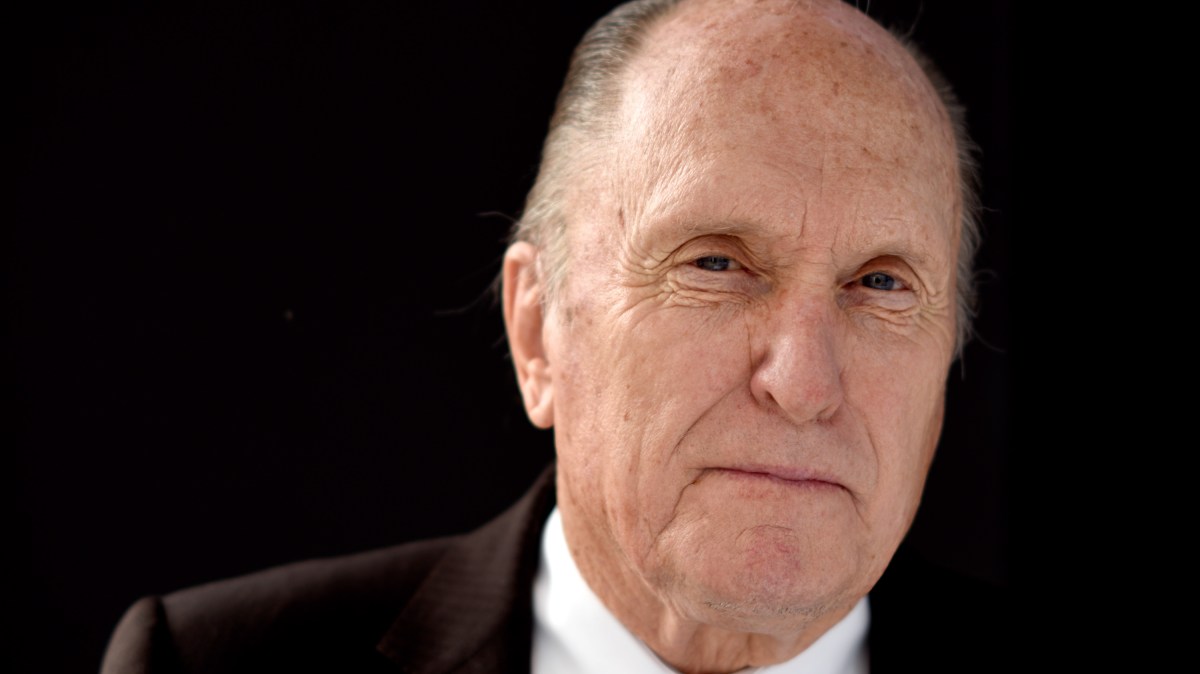
It took Robert Duvall 12 years and $5 million of his own money to make The Apostle. But the film, which Duvall wrote (in long hand), directed, starred in, co-produced and described as “the most complete thing I have ever done”, confounded the expectations of the studios who turned it down. A gripping drama, The Apostle was dominated by a towering performance from Duvall as a fiery, deeply flawed preacher from Texas who flees a crime scene to seek a new life, a new identity and, ultimately, redemption.
So convincing was his proselytising fervour that there were reports of audiences spontaneously finding God during the film. Duvall recalled, “I had a letter about some basketball players in Iceland who saw the movie and embraced the Lord, right there in the theatre.”
He was a director, a composer and singer, a keen and competent tango dancer, but most of all Duvall was an actor’s actor. He was described by The New York Times as “the American Olivier” and by the critic Leonard Maltin as “one of the most gifted actors to grace the screen”. The Guinness Book of World Records named him “the most versatile actor in the world”. Initially, at least, he was more often cast in supporting roles than in the lead. “Maybe if I had straightened my teeth more, I could have been a leading man more often,” he said.
Duvall was, by inclination, a character actor who preferred authenticity over eyecatching showiness. That is not to say that he did not make every on-screen moment count: in the role of the napalm-sniffing surfer Colonel Kilgore in Apocalypse Now, he had only 11 minutes of screen time, but they were the most memorable 11 minutes of the entire film.
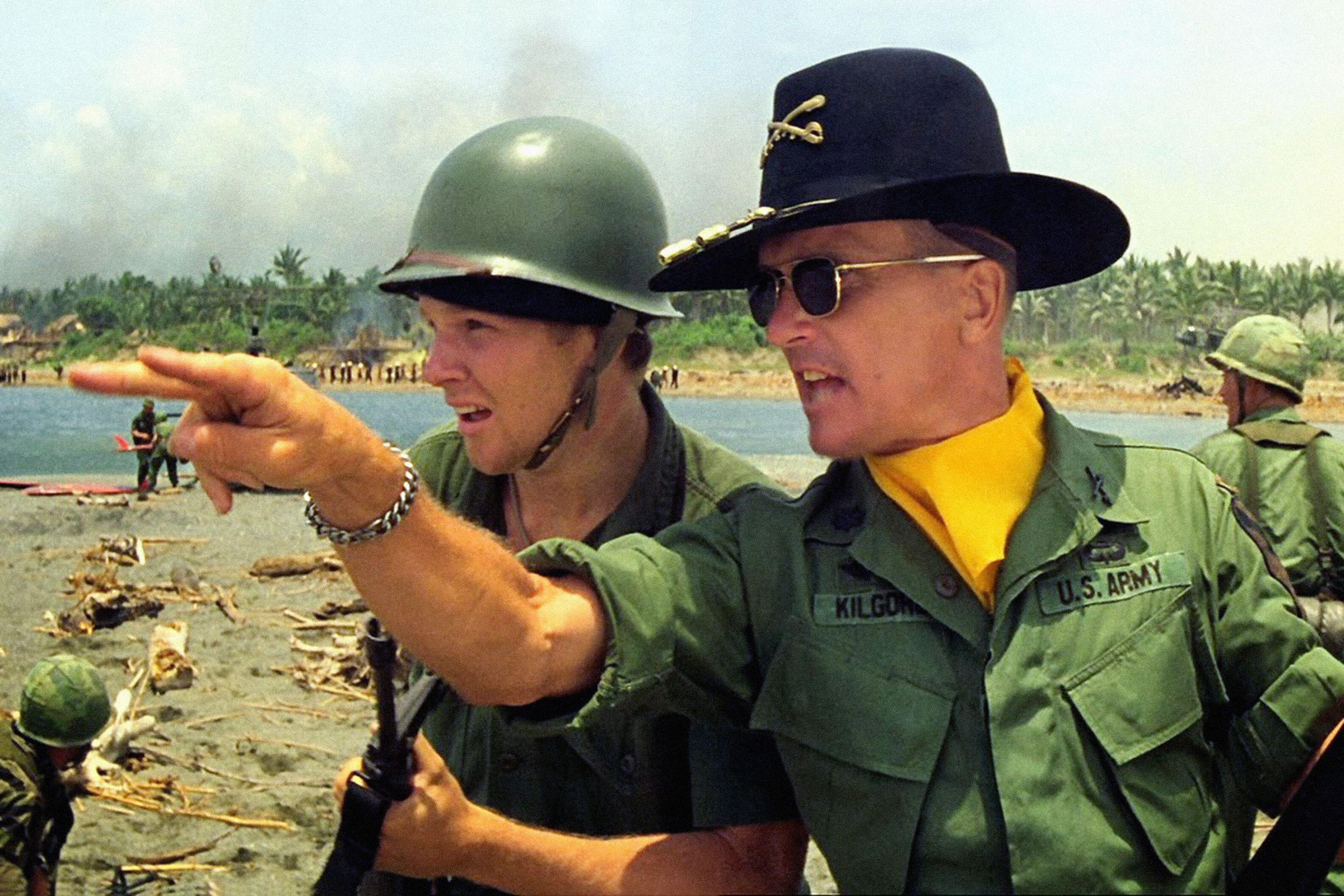
Duvall, right, delivered the most famous line in Apocalypse Now: “I love the smell of napalm in the morning”
ALAMY
He was known for his forcefully expressed views on the creative process — he apparently threatened the life of a theatre director and was rumoured to have destroyed the director Bruce Beresford’s chair with an axe during the making of Tender Mercies — but he formed lasting and richly productive collaborative relationships with some film-makers, most notably Francis Ford Coppola.
Robert Selden Duvall was born in 1931 in San Diego, California, the son of Mildred, an amateur actress, and William Howard Duvall, a US navy rear-admiral. He described himself as a navy brat, growing up primarily in Annapolis, Maryland, where his father was posted to the United States Naval Academy. Education was not his strong suit, but he attended Severn School, Maryland, and The Principia, Saint Louis, Missouri, before graduating, in 1953, from Principia College, Illinois, with a liberal arts degree.
In an act of rebellion against his father, he served in the army, leaving in 1954 as a private first-class. Duvall had already realised that his future lay in acting and in 1955 he moved to New York to study at the Neighborhood Playhouse School of the Theatre alongside Dustin Hoffman, Gene Hackman (obituary, February 27, 2025) and James Caan. Hoffman and Hackman were his room-mates during that time and shared a friendship that, in the early years at least, was characterised by pranks and bar fights. Skirmishes and quarrels aside, Duvall counted the pair as life-long friends, saying, “A friend is someone who many years ago offered you his last $300 when you broke your pelvis. A friend is Gene Hackman. ”
Casual jobs such as mail-sorting and truck-driving kept food on the table, but Duvall’s intense stage presence soon led to regular theatre work. Hoffman recalled that Duvall channelled his natural state of low-level fury into his work, picking a random audience member and training his anger and animosity on that unfortunate individual.
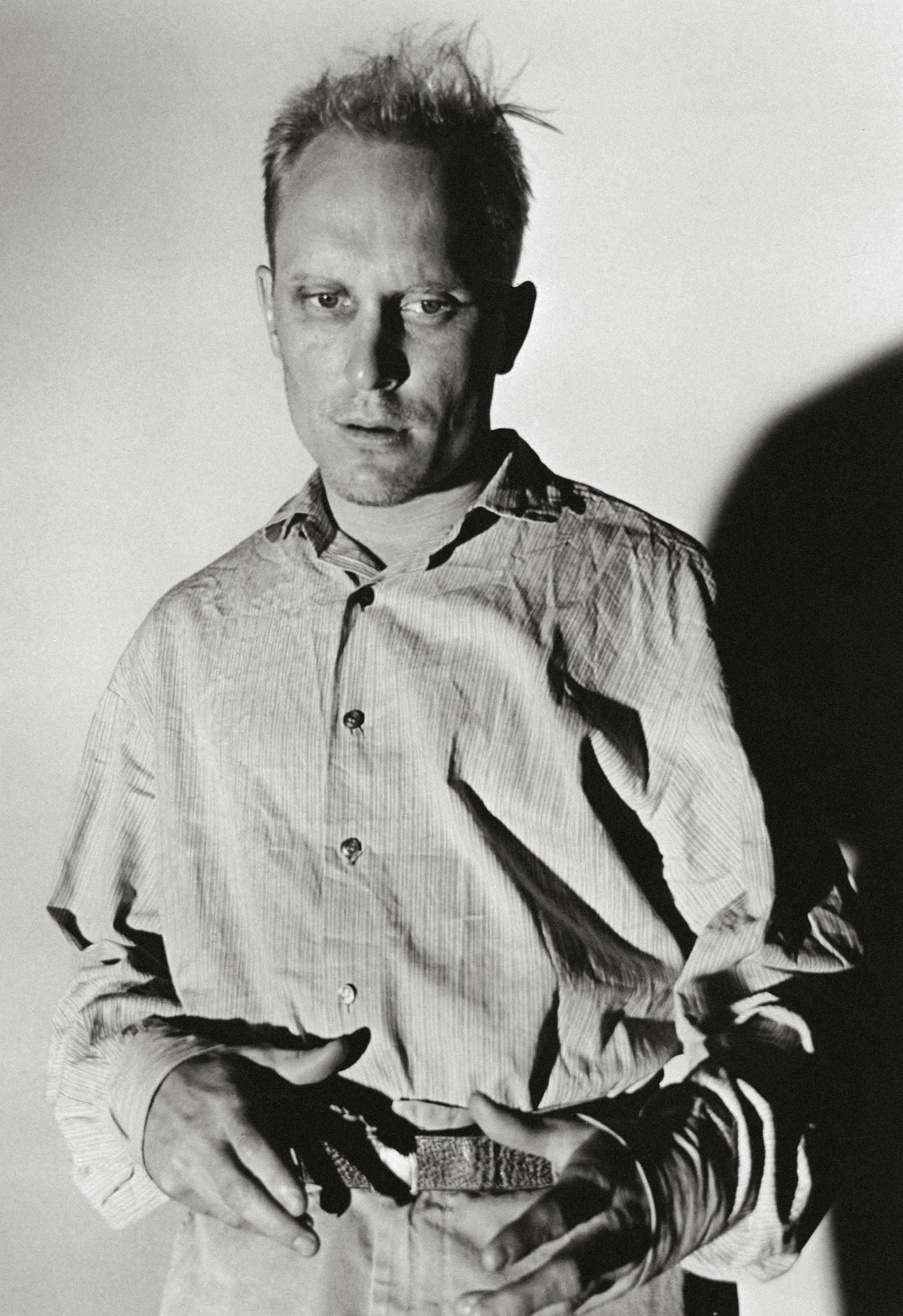
In To Kill a Mockingbird (1962)
ALAMY
The early Sixties brought television bit-parts, but Duvall’s first notable film role was playing the reclusive oddball Boo Radley in To Kill A Mockingbird, in 1962. He was recommended for the role by the screenwriter Horton Foote, who would become a staunch supporter throughout Duvall’s career. Embracing the method approach, Duvall locked himself out of the sun for six weeks and bleached his hair to match his ashen skin. During the shoot he met his first wife, the former dancer Barbara Benjamin (later Marcus); they were married in 1964 and divorced in 1981.
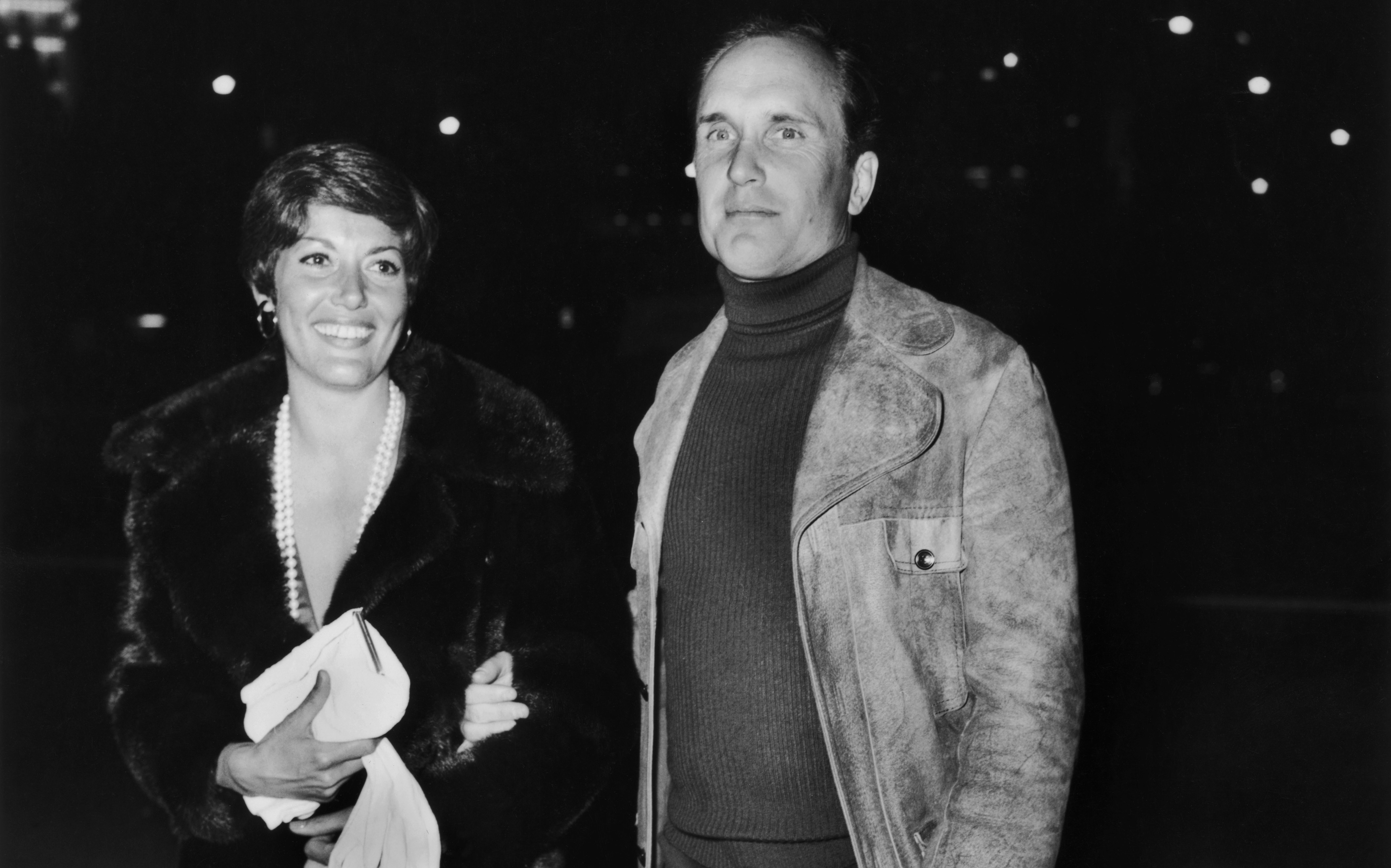
With Benjamin before the 1973 Oscars
FRANK EDWARDS/FOTOS INTERNATIONAL/HULTON ARCHIVE/GETTY IMAGES
Duvall continued to work in theatre and television bit-parts for much of the 1960s, but by the end of the decade he started to assert himself in supporting roles in more notable films, including Countdown, Robert Altman’s first feature; the Steve McQueen crime thriller, Bullitt, and the John Wayne western, True Grit. There was a clash of personalities on the set of the latter. Duvall was not a fan of Henry Hathaway’s bullish directing style, a fact that he made known. Wayne, meanwhile, took against Duvall, and threatened to punch him if he continued to argue with Hathaway.
A happier experience, the same year, was Rain People, which Duvall joined as a last-minute replacement for Rip Torn. It was the start of a fruitful collaboration with the director Francis Ford Coppola. During the shoot, the young George Lucas visited the set, subsequently casting Duvall as the lead in his feature film debut, THX 1138.
Duvall reconnected with Coppola for The Godfather, in which he displayed a slippery charm and muscular assurance as the mafia lawyer and consigliere Tom Hagen. The role earned him his first Oscar nomination. It was a rambunctious shoot, with Duvall and Caan initiating an outbreak of mooning. The first instance of bared buttocks — Coppola, Marlon Brando and Salvatore Corsitto were on the receiving end — was an effort to break the tension during rehearsals. The mooning soon reached epidemic proportions, with the apex being when Brando and Duvall hijacked the shooting of the wedding scene to moon 400 cast and crew members.
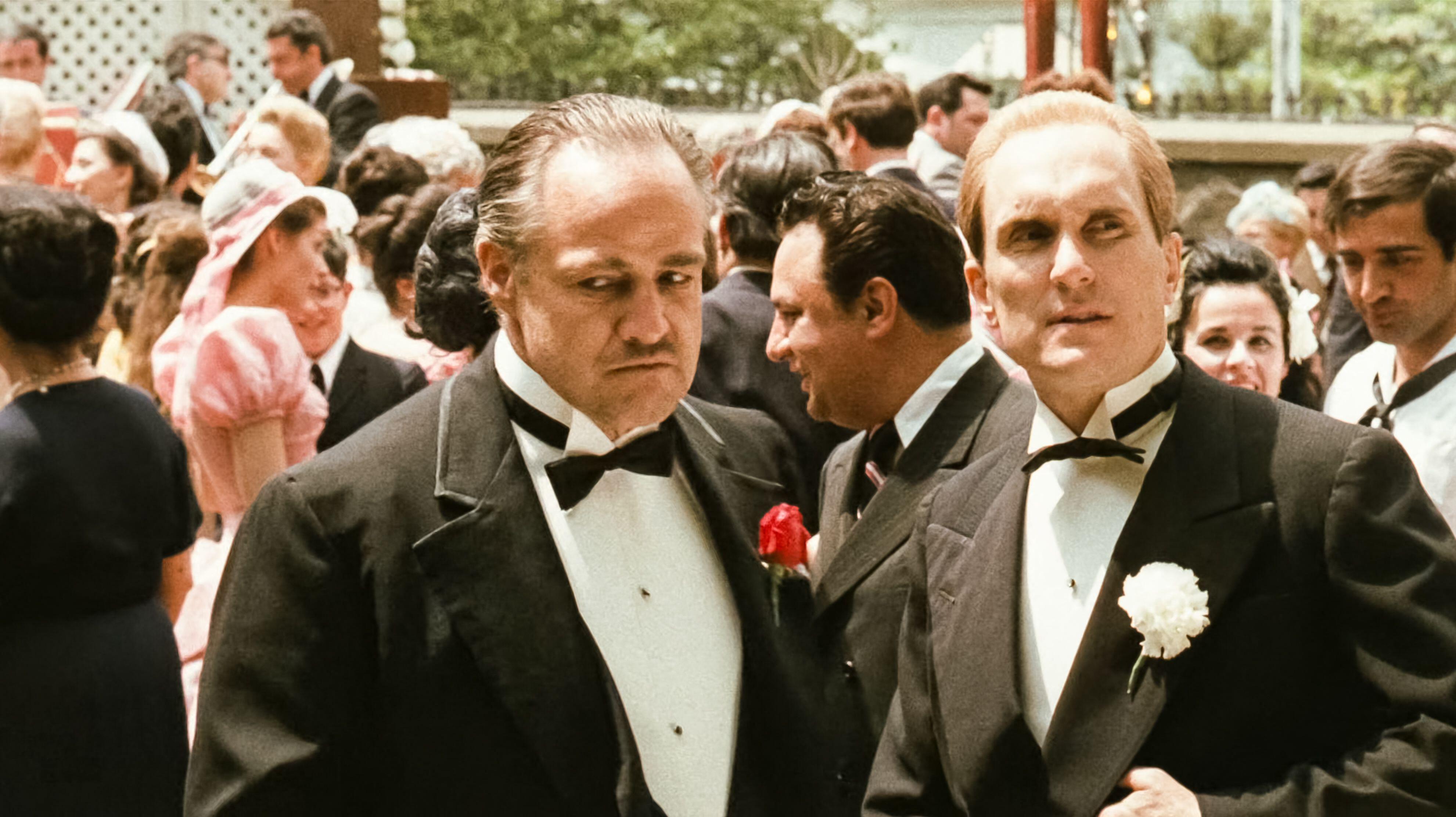
Alongside Marlon Brando, left, in The Godfather (1972)
ALAMY
With the arrival of the 1970s, American cinema entered a particularly rich period. The rise of disruptive, maverick voices in Hollywood was a gift for a versatile, if somewhat prickly character actor such as Duvall. High points included The Godfather II, Network, The Eagle Has Landed and, both in 1979, Apocalypse Now and The Great Santini. He was Oscar-nominated for both, in consecutive years, but did not win until his fourth nomination, for his performance as a broken-down country and western singer in Tender Mercies in 1983. It was the long-time supporter Horton Foote who convinced Duvall to sign up for the role by visiting and reading the screenplay out loud to him. Not only did Duvall win the Oscar; he also wrote and performed the songs for the picture.
The 1980s brought a new marriage, to the actress Gail Youngs, which lasted from 1982 to 1986. She later described him as “a tortured soul driven by his need for perfection”. Yet it was Youngs who brought the television mini-series Lonesome Dove to his attention after she read the novel on which it was based.
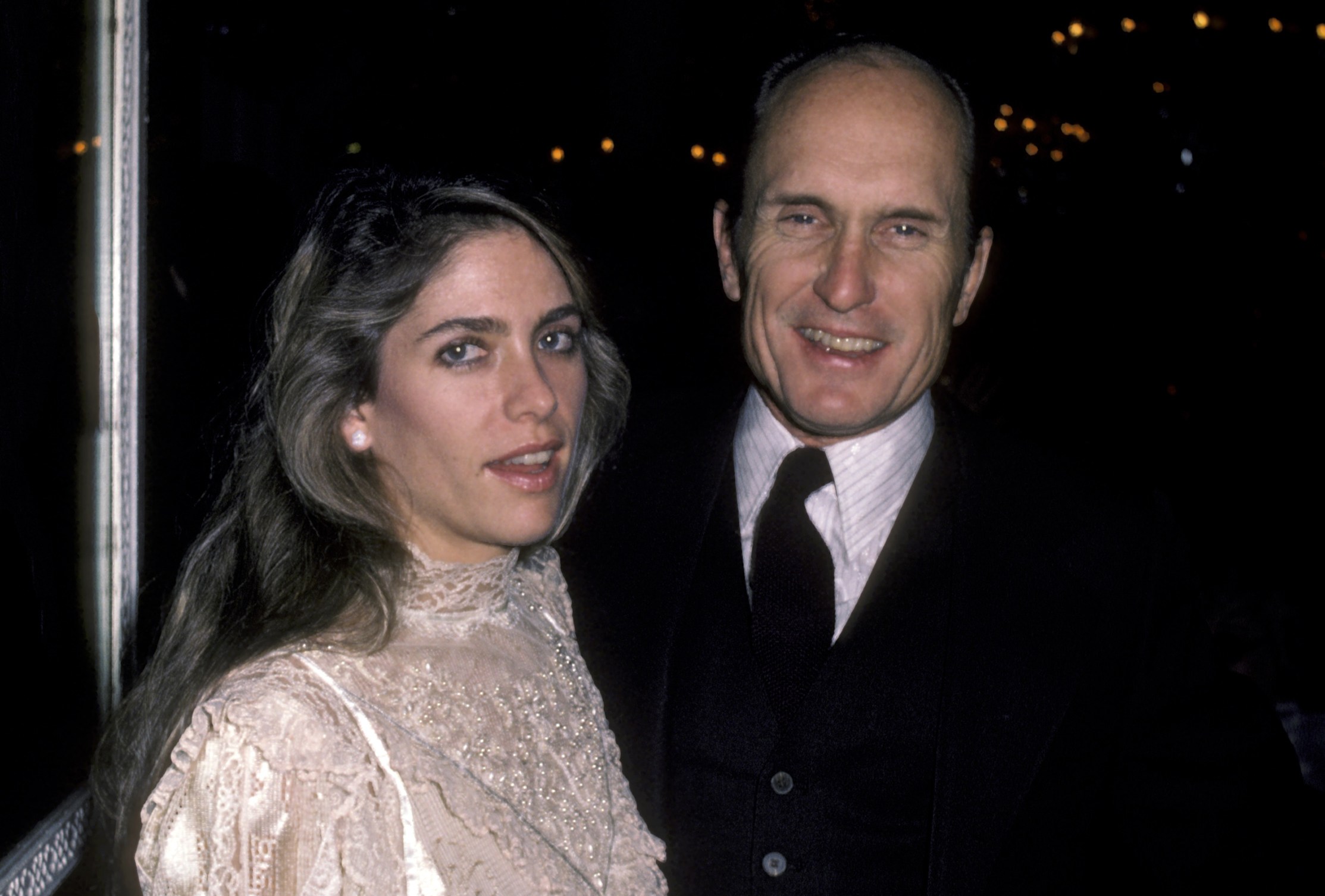
With Gail Youngs on Broadway
RON GALELLA COLLECTION VIA GETTY IMAGES
Duvall won a Golden Globe for his performance as a former Texas Ranger, but had a combative relationship with the director Simon Wincer. He later observed, “I’ve worked with three Australian directors, and we didn’t always see eye to eye. But, you know, sometimes when you have a little turmoil, it can turn out better than if everything is in total harmony.”
The same could not be said for his marriages. After Youngs, Duvall married his former tango instructor Sharon Brophy. After her alleged affair with their pool boy, he gave her 30 minutes to pack and leave. In return, she described him as cold and aloof. It was the third marriage to dissolve into acrimony. Duvall commented, “My former wives have been pretty vindictive in the end,” adding, “I’m just not good at marriage.”
The fourth time was the charm. Duvall met Luciana Pedraza in 1996 outside a bakery in Buenos Aires (he had just completed filming The Man Who Captured Eichmann). Despite a 41-year age difference, they immediately connected. In 2002, Duvall combined his passions — Argentina, tango and Luciana — in a film project, Assassination Tango, about a hitman who becomes involved in Buenos Aires tango culture. Duvall directed and starred alongside Luciana. A more successful collaboration was their marriage, in 2005, which was forged on a shared love of horses and daily tango sessions in a converted barn in the Virginia farm where Duvall made his home.
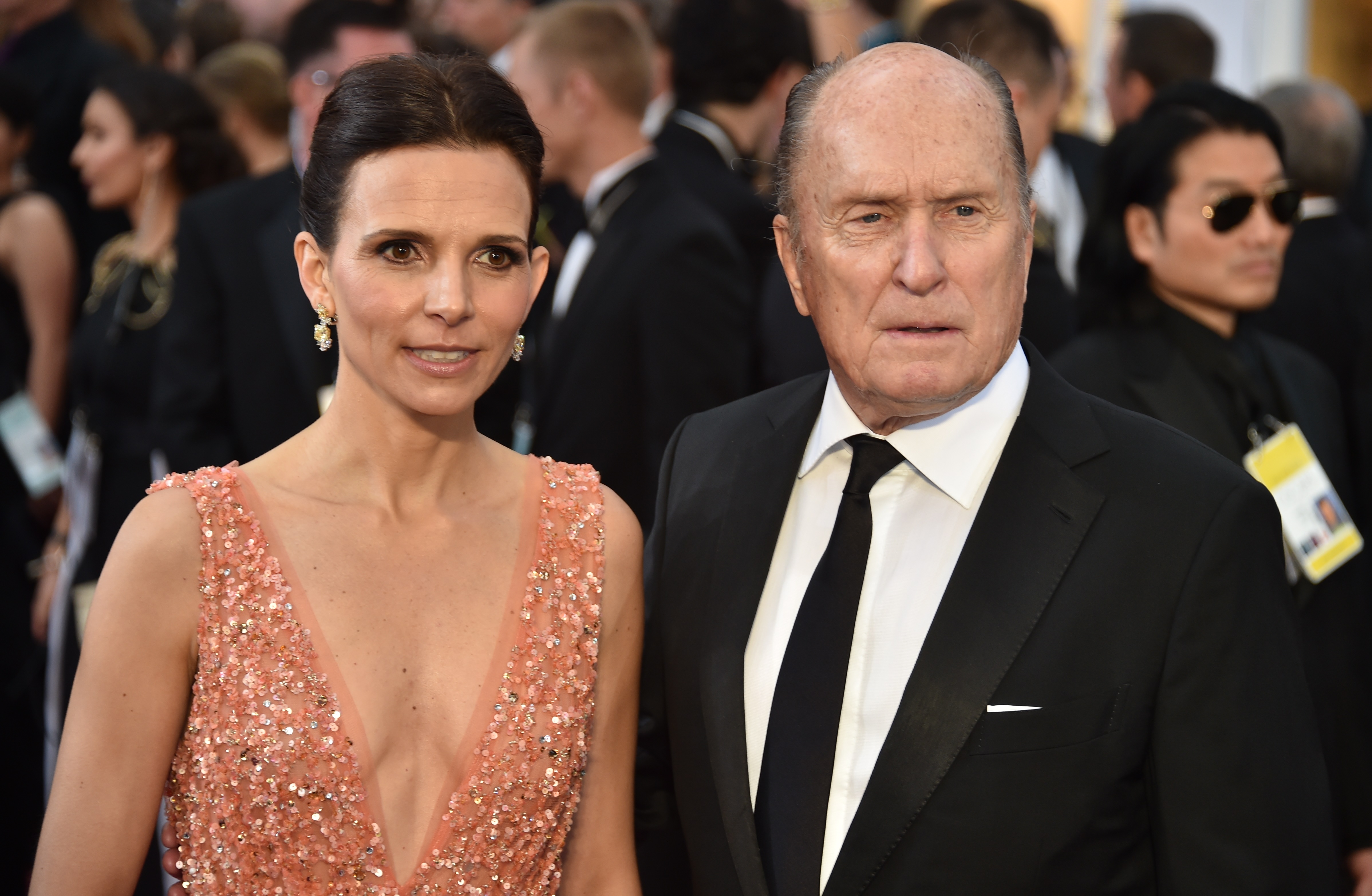
With Luciana Pedraza on the Oscars red carpet, 2015
MLADEN ANTONOV/AFP/GETTY IMAGES
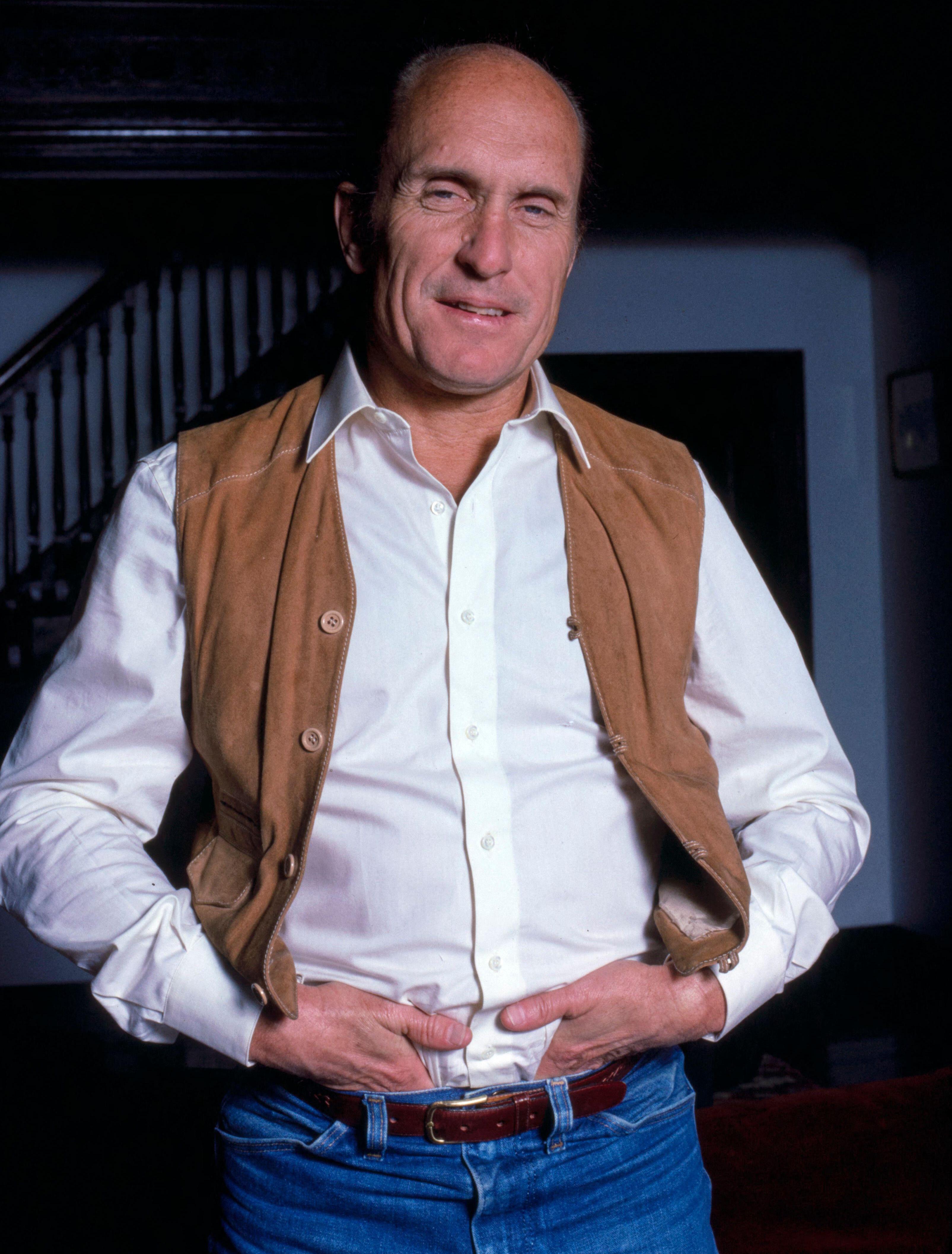
At home in 1985
BERNARD GOTFRYD/ALAMY
Duvall was fond of quoting his friend, the actor Wilford Brimley, on the age difference: “The worst thing in the world for an old man is an old woman. But when she says action, you’d better come up with something!” Duvall, it was fair to say, was not a man who would tiptoe around political correctness. On feminists he was scornful: “What a double standard. They witter on about having the vote and then elect a guy like Clinton because he’s good-looking and puts through women-friendly policies.” Politically conservative — he attended George W Bush’s inauguration, endorsed John McCain and hosted a fundraiser for Rudy Giuliani — he was vocally critical of Hollywood’s liberals.
Yet Hollywood turned the other cheek, and continued to provide Duvall with meaty roles right up until the end of his career. He was Oscar nominated once again for The Judge, in which he played Robert Downey Jr’s ageing father. And while his mooning days were over, Duvall remained youthful in his approach, crediting the film’s wit and energy to his habit of playing pranks on Downey Jr throughout.
Robert Duvall, actor, was born on January 5, 1931. He died “peacefully at home” on February 15, 2026, aged 95