
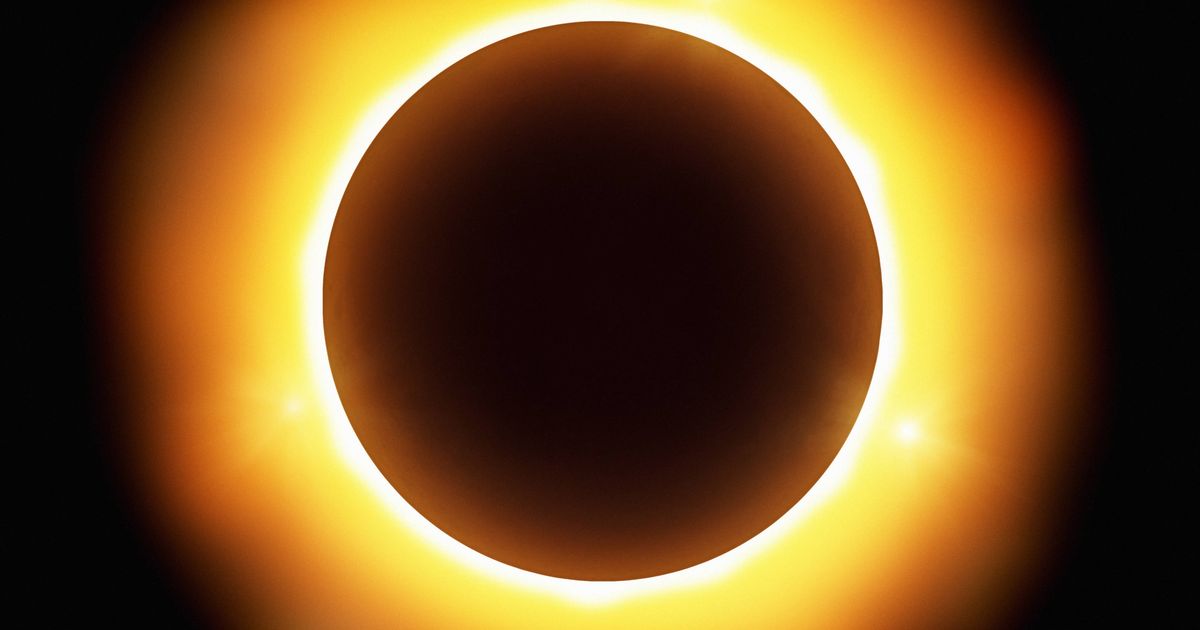
The first solar eclipse of 2026 unfolds on February 17, but the ‘ring of fire’ phenomenon will only be visible from a few regions
Carrington Walker GAU Writer and Annette Belcher
10:28, 16 Feb 2026Updated 10:30, 16 Feb 2026
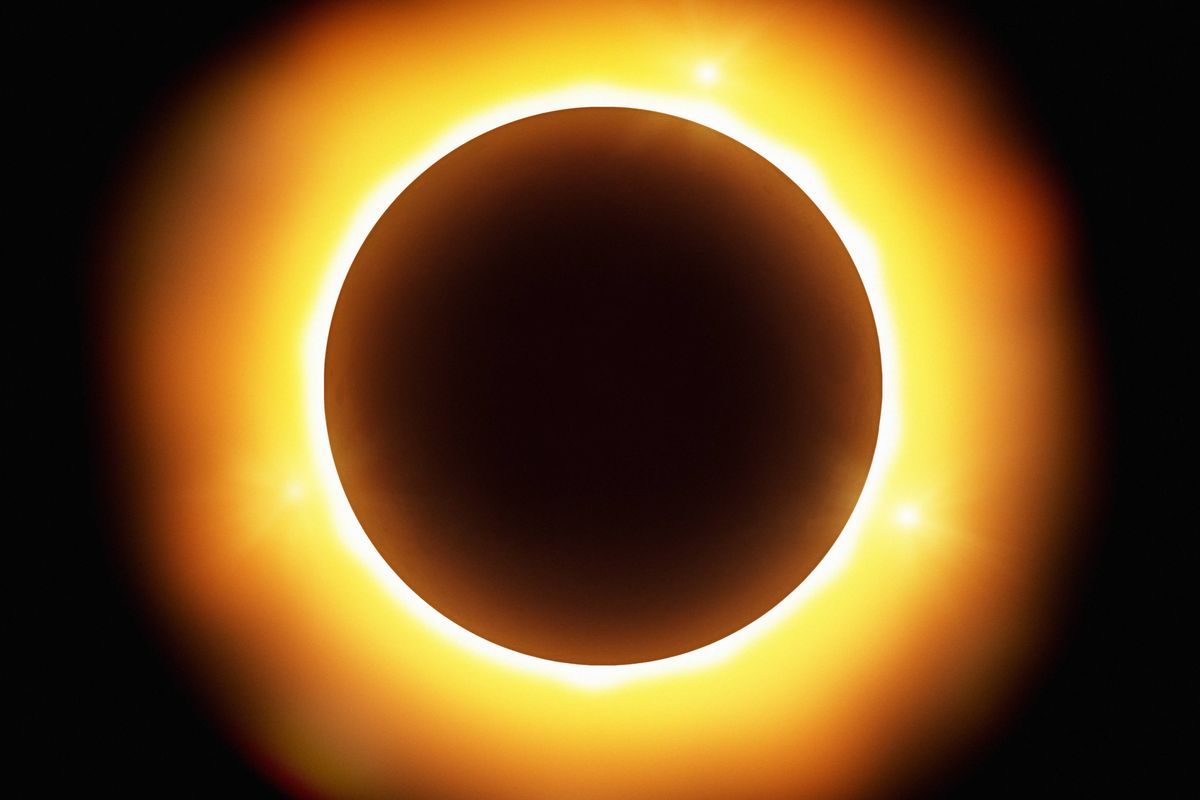
The rare event will take place on Tuesday(Image: RapidEye via Getty Images)
The first solar eclipse of 2026 is set to occur this week, though only a select few locations across the globe will be able to witness the phenomenon.
The event, an annular eclipse dubbed the “ring of fire”, happens when the sun, moon and earth align almost perfectly. As the moon passes directly in front of the sun, it blocks the central disc and projects a defined shadow, leaving a narrow ring of light glowing around its perimeter.
This remarkable sight will take place on Tuesday (February 17), providing one of the year’s most notable celestial events. However, for those hoping to observe it, location will be key, as visibility is restricted to just a few regions.
The UK is unlikely to be able to view the event(Image: Chayanan via Getty Images)
Whether the “ring of fire” will be visible from the UK hinges on the precise geographic path of the Moon’s shadow, with experts pointing out that only those in certain areas will see the alignment in its entirety.
The first solar eclipse will begin at 7.10am on Tuesday, 17 February. However, the celestial display will only be visible in a limited number of locations, according to National World.
The path of annularity – the route the solar eclipse will follow and be visible from – will emerge across western Antarctica and continue off across the Davis Sea coast and the Southern Ocean. This means that the forthcoming solar eclipse won’t be visible from the UK.
As per Space.com, the following locations will witness a partial solar eclipse, with the percentage of the sun’s disk obscured in each location:
Heard and McDonald Islands, Australia – 88%French Southern and Antarctic Lands, France – 88%Mascarene Islands, Mauritius/France – 35%Port Louis, Mauritius – 32%Saint-Denis, Reunion, France – 31%Antananarivo, Madagascar – 20%Durban, South Africa – 16%Maputo, Mozambique – 13%Maseru, Lesotho – 11%Gaborone, Botswana – 4%Harare, Zimbabwe – 3%Ushuaia, Argentina – 3%
Following Tuesday’s solar eclipse, there will be a lunar eclipse on 3-4 March. This event will cast a reddish tint on the moon as the Earth passes between the Moon and Sun, casting its shadow onto the Moon.
Owing to the moon’s reddish hue during this occurrence, a lunar eclipse is sometimes dubbed a “Blood Moon”.