
A solitary guard standing watch at Hotel Raquel, off Havana’s historic old plaza, turns on the lights in the main lobby, illuminating an unmanned reception desk and red tape draped across the marble staircase at the hotel entrance.
At the height of Cuba’s tourist season, Hotel Raquel is one of more than two dozen state-owned hotels that have closed its doors, as the Cuban government responds to a deepening fuel crisis.
Cuba has received no oil or fuel for a month, after US president Donald Trump cut off Venezuelan supplies to the island and pressed Mexico to stop its shipments. Cuba relies on foreign imports for around 60 per cent of its fuel needs and is facing a growing shortfall without fresh supplies.
While Cuba’s ministry of tourism did not respond to a request for comment, Cuba’s vice prime minister Óscar Pérez-Oliva Fraga, a grandnephew of Fidel Castro, said the government has introduced measures to diversify fuel imports and reduce demand at a crucial time for the tourist industry.
“A plan has been designed in tourism to reduce energy consumption, consolidate tourist facilities, and make the most of the high season currently under way in our country,” he told state TV.
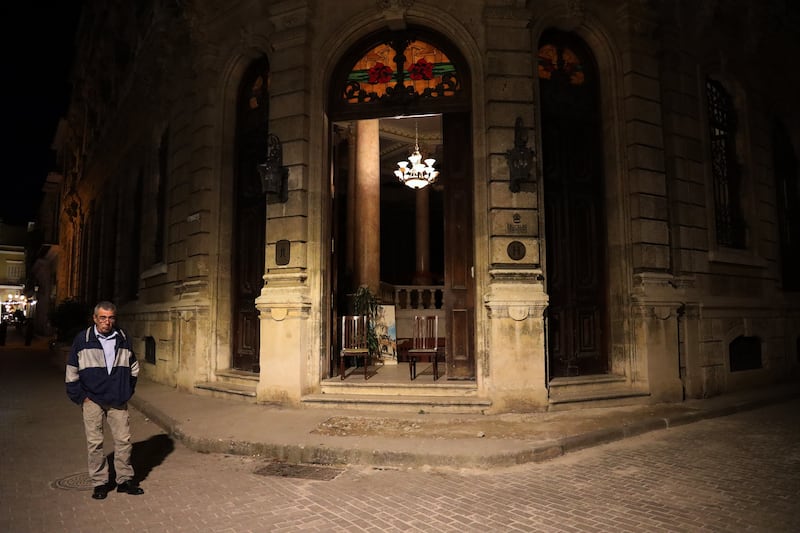 A solitary guard standing watch at Hotel Raquel off Havana’s historic old plaza. Photo by Hannah McCarthy for The Irish Times
In Havana, meanwhile, the government is grappling with rolling blackouts, a transportation system nearing paralysis. Russia and Canada are repatriating citizens after airlines based in their countries suspended their services to Cuba due to a lack of aviation fuel on the island. The Irish Department of Foreign Affairs has joined a growing number of countries in issuing a travel alert for Cuba, advising citizens to avoid non-essential travel due to the “increasingly serious economic and humanitarian situation”.
[ Avoid non-essential travel to Cuba, Irish citizens toldOpens in new window ]
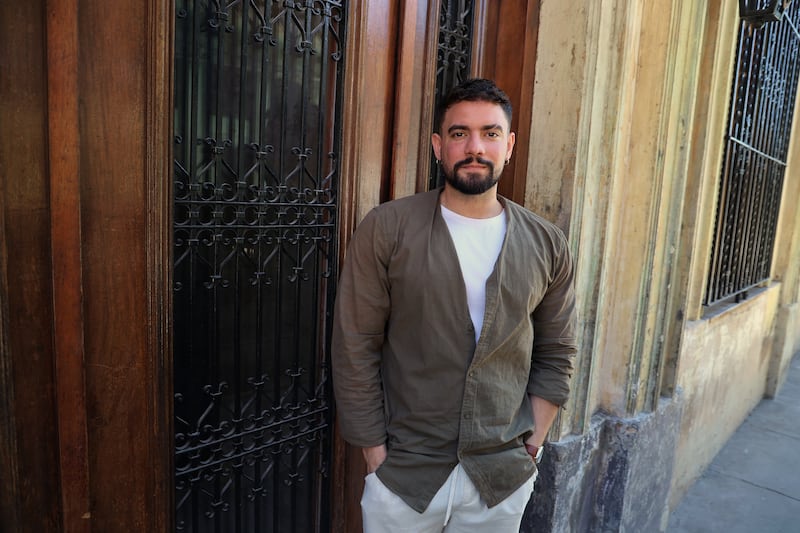 Airbnb host Marco Alonso: “When I’m talking to clients, they’re all cancelling now and mentioning Trump.” Photo by Hannah McCarthy for The Irish Times
Marco Alonso, who manages one of the private guest houses which have proliferated across Havana since the government liberalised the tourism economy a decade ago, is seeing the impact first-hand.
“When I’m talking to clients, they’re all cancelling now and mentioning Trump,” he says.
An estimated 300,000 Cubans now make a living from the tourist industry, a major source of foreign currency for the Caribbean island which has been subject to a de facto economic blockade by the US since the 1960s, after the revolutionary communist government came to power.
“There was a time when I would have said ‘things are bad, but we have these options and we can do this’,” says Alonso. “I’m the face of this hotel and I just can’t lie any more. I know that what the guests are saying is true.”
He asks: “Do they really want an immersive experience of going into the street when they’re pitch black?”
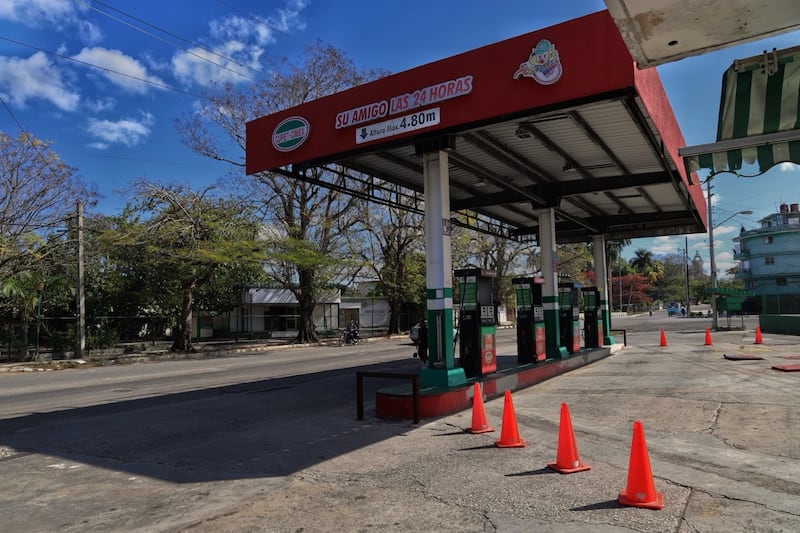 Private petrol stations have closed across Havana, as the government rations fuel. Photo by Hannah McCarthy for The Irish Times
Ricardo Torres Perez, a visiting researcher at American University in Washington, DC, says although Cuba’s energy shortage has worsened over the past month due to US pressure to restrict the island’s access to fuel, the crisis itself is not new. On LinkedIn, he said the Cuban government has failed to allocate long-term investment to guarantee electricity generation and distribution, and instead “allowed the grid … to age until it became fragile.”
In addition, economists such as Emily Morris say US sanctions have made it difficult for Cuba to source, pay and import new parts and machinery to improve the efficiency of its existing power plants and energy infrastructure.
“What [the US] intended was for the Cuban economy to be under such a strain that there will be political upheaval or regime change,” Morris told the Cuba Analysis podcast. “But what they’ve actually done is they have pushed Cuba back into where it was during the Cold War in trading with the US rivals.”
Moscow-based newspaper Izvestia has reported Russia is planning to supply oil and fuel products to Cuba as “humanitarian aid”.
Osniel Diaz, a 34-year-old Cuban who drives 1950s vintage cars for tourists visiting Havana, says he used to make $300-$400 per day, mostly from American tourists during “the Obama years” from 2015-2016 when Cold War-era relations thawed and Washington temporarily normalised diplomatic relations with Havana.
“Americans and Europeans like the same things,” says Diaz. “The only difference is the Americans pay more.”
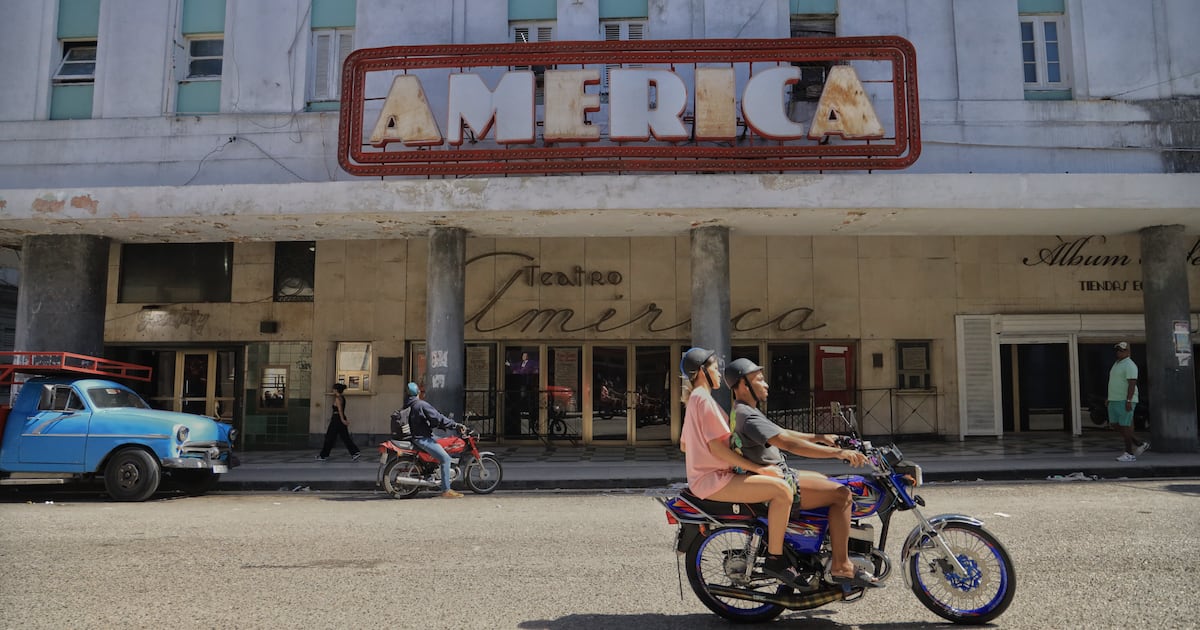
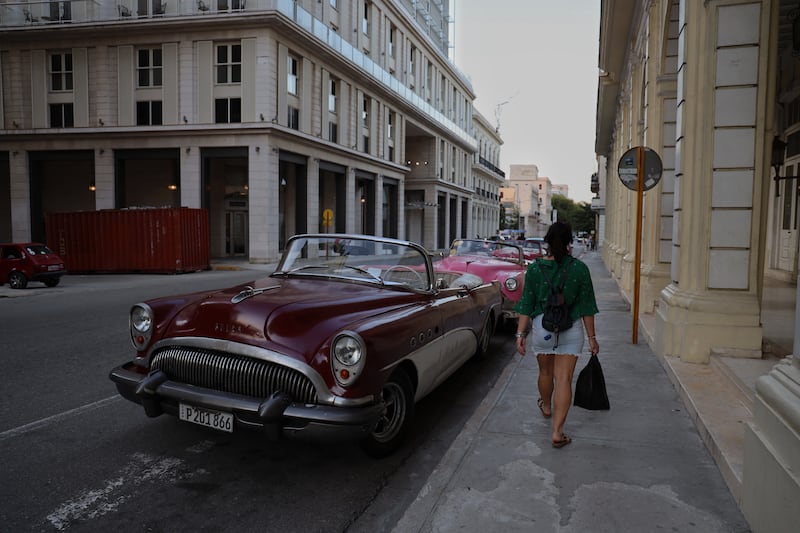 Revenue from the tourism sector in Cuba declined by 70 per cent between 2019 and 2025. Photo by Hannah McCarthy for The Irish Times
Since the first Trump administration added Cuba to a list of state sponsors of terror and the onset of the Covid-19 pandemic, the number of European tourists arriving in Cuba has also tumbled. Revenue from the tourism sector in Cuba fell by 70 per cent between 2019 and 2025.
Before the latest fuel crisis began, Diaz used to drive up to six customers a day along the Malecon highway to take selfies at the Plaza of the Revolution. On some days in February, Diaz had no customers. He says if he starts earning less than an average of $60 per day, he will be better off working as a driver on La Nave, Cuba’s version of Uber.
With most public buses no longer running, La Nave is quickly overloaded with requests in the evening time, leaving tricycles or “bicitaxis” with extra business ferrying people home around central and old Havana.
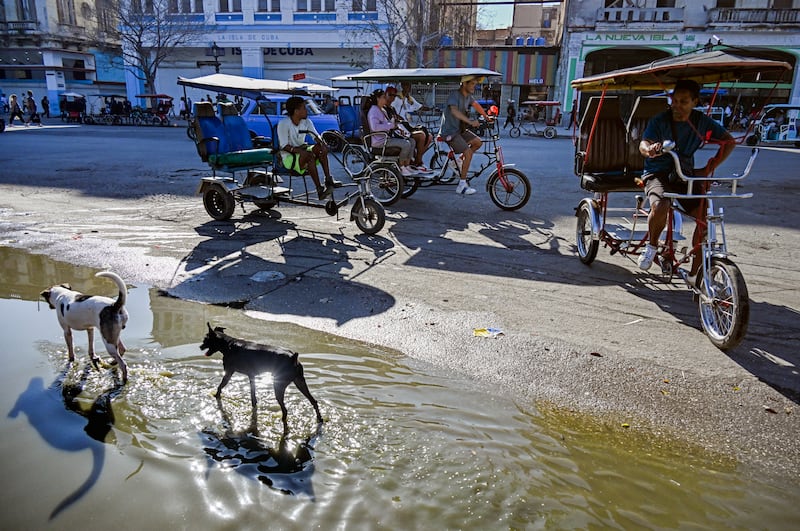 The fuel crisis in Cuba is forcing many workers turn to reply on electric tricycles and bicycle taxis. Photograph: Yamil Lage/AFP/Getty Images
Longer blackouts and dwindling numbers of police on the streets have led to a growing sense of insecurity on the streets, say Havana residents. Alonso says just a few months ago it was safe to walk along the streets in the middle of the night but “not right now, not in 2026.”
“We’re in a climate of panic,” says Shayra Pernia, (39), who regularly works in Cuba’s sex tourism industry. “By 9pm, when night falls, people try to walk in pairs. Women avoid being alone. Trans people like me avoid being on the streets because there’s a change due to the time of day.”
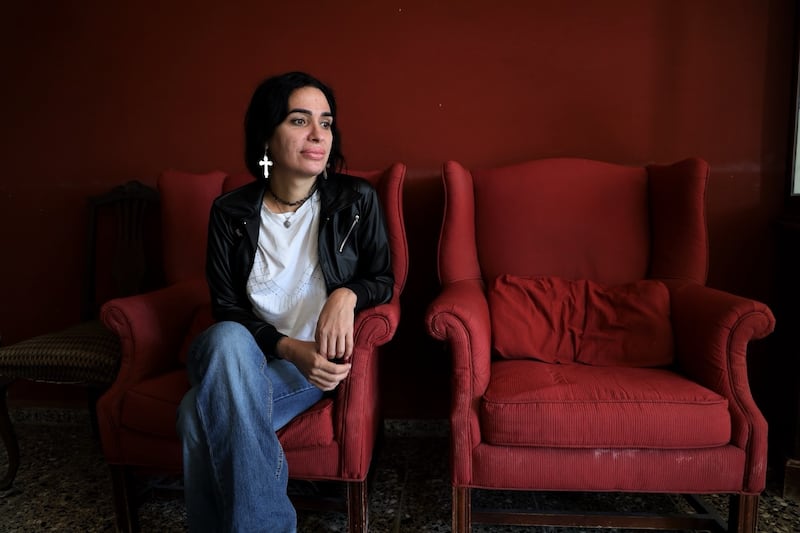 Shayra Pernia: “We’re in a climate of panic.” Photo by Hannah McCarthy for The Irish Times
Pernia says fewer and fewer tourists are contacting her through international escort websites “because even the foreigners themselves know that gasoline is scarce and the service in the hotels is tedious.”
She says: “The city is like a ghost town, and you don’t see any police. Before, we used to see police patrols in Havana. Now we don’t see them, we’re alone.”
[ What’s the deal between Donald Trump and Cuba?Opens in new window ]