
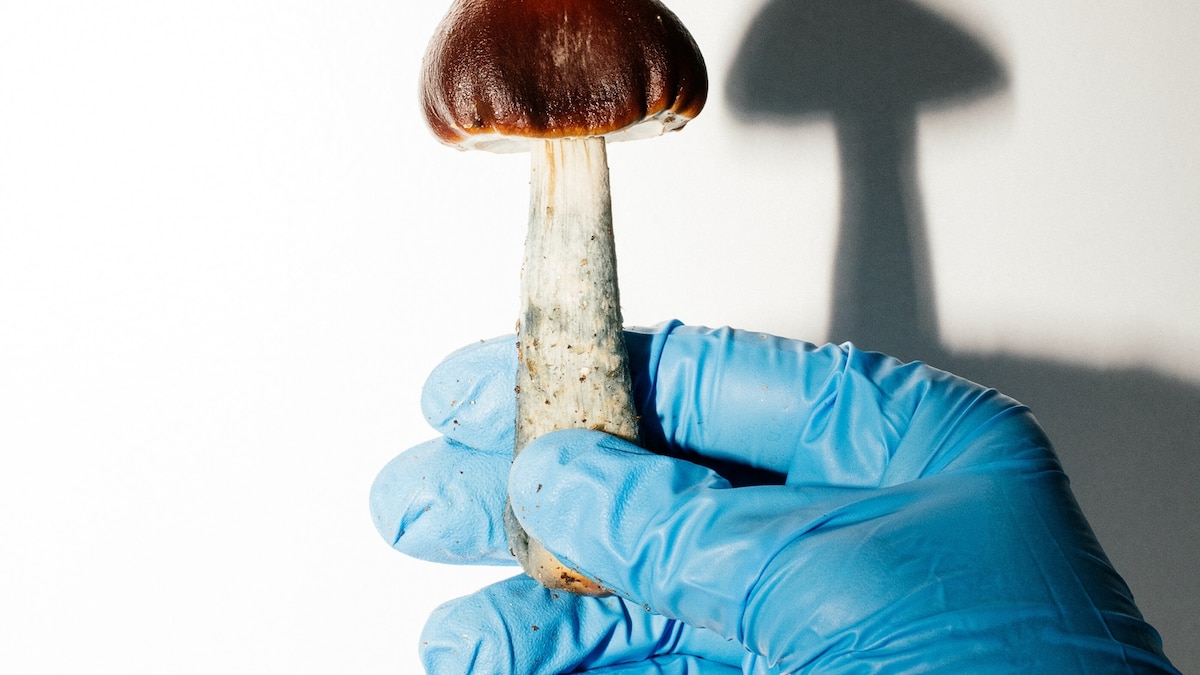
Earlier psylocibin work showed impactful results in other aspects of mental health, too. A 2011 study at the University of California, Los Angeles, found anxiety plummet in a dozen advanced-cancer patients. In 2016, psilocybin improved mood and anxiety in 80 percent of the 51 cancer patients treated at Johns Hopkins University, while more than 60 percent of those treated at New York University (NYU) felt less hopeless six months after receiving the drug.
“This is a paradigm shift,” says Anthony Bossis, a clinical psychologist at NYU who co-led the 2016 research. Rather than solely providing symptomatic relief with an antidepressant, offering a psychedelic “enables the person to potentially explore their cancer, their life, the things that are existential and meaningful, which often resolves the suffering” at its deepest level, Bossis says. This may be why 70 percent of the NYU participants rated their psychedelic journey as among the most meaningful experiences in their life.
Psilocybin also reduces the demoralization many people undergo when diagnosed with a serious disease, even if they don’t have clinical depression, Bossis says.

While psychedelic medicines remain illegal at the federal level in the U.S., Oregon is one of two states that allow for supervised use of the drug in certain settings, regardless of health status. Here a psilocybin therapy facilitator takes notes during a training course in Portland.
Amanda Lucier, The New York Times/Redux
Benefits for non-terminal cancer patients, too
Outside of clinical trials, U.S. law allows terminal patients to use a drug that is promising but experimental, on the theory they have little to lose. But psychedelic medicines are an exception. Palliative care physicians are unable to prescribe them for their patients because the compounds are classified the most restrictive category for illegal drugs, known as schedule 1. However, last summer, the Drug Enforcement Agency requested that U.S. Health and Human Services conduct a scientific review of psilocybin, a prelude to a possible rescheduling.
Separately, several private companies are working towards receiving U.S. Food and Drug Administration approval of the drug for various mental-health conditions, which could widen its availability for people with less lethal diagnoses.