
COVID-19 infection during pregnancy was associated with a 45% increased risk of preeclampsia, which rose to 78% among unvaccinated women.
RT’s Three Key Takeaways:
Vaccination Reduces Preeclampsia Risk: A major study by the INTERCOVID Consortium found that COVID-19 vaccination during pregnancy—especially with a booster—reduced the risk of preeclampsia by 33%, with even greater protection (42%) among women with pre-existing health conditions.
Protection Extends Beyond Infection Prevention: Researchers, including experts from Northwestern University Feinberg School of Medicine, found vaccination lowered risks of preterm birth, maternal complications, and perinatal mortality, suggesting broader immune and vascular benefits beyond preventing COVID-19 infection itself.
Important Implications for Maternal Health: Scientists from University of Oxford reported that vaccination may influence biological pathways involved in preeclampsia, highlighting maternal immunization as a promising strategy to prevent one of the most serious pregnancy complications worldwide.
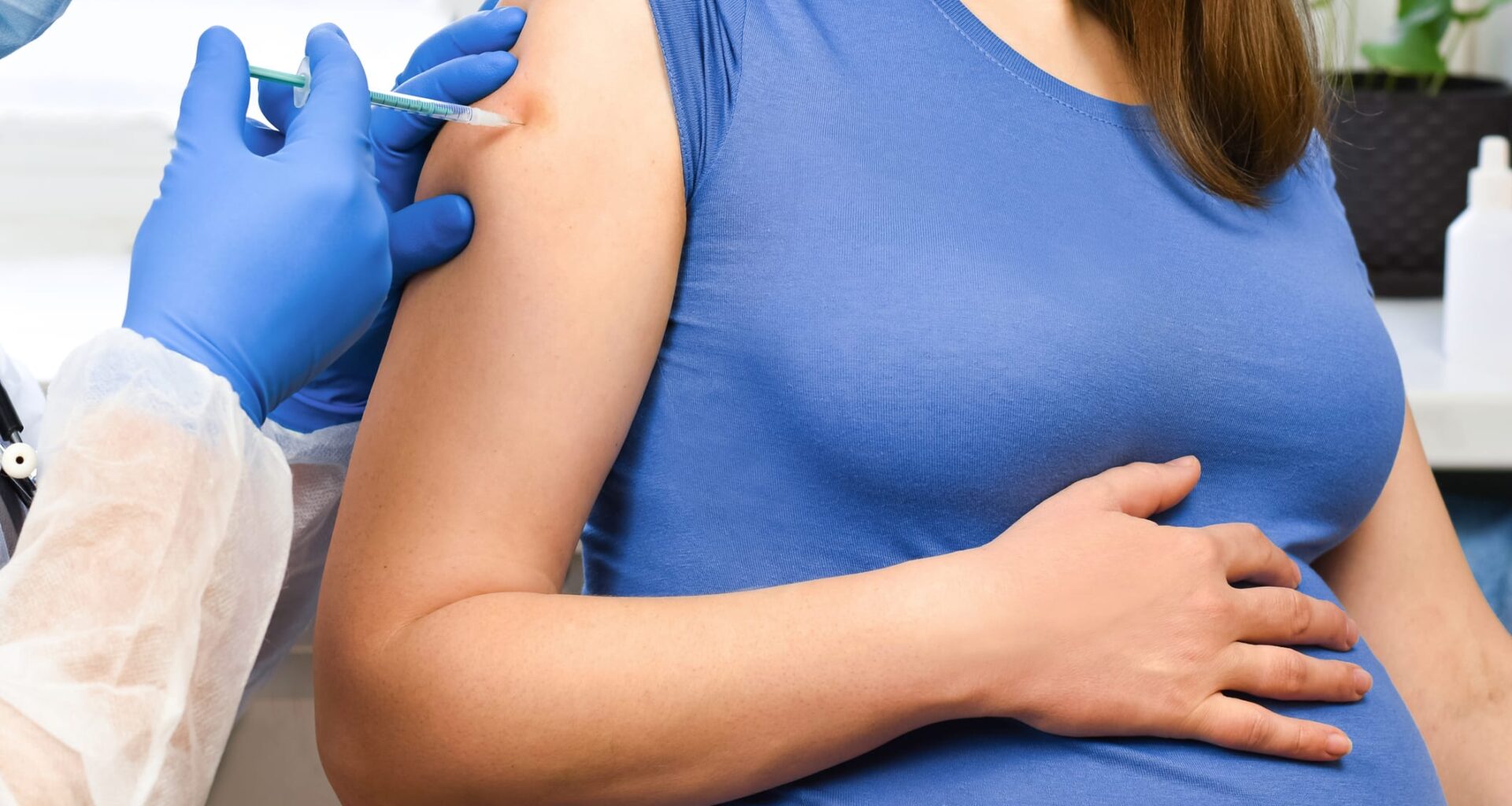
COVID-19 vaccination during pregnancy, particularly when combined with a booster dose, significantly reduces the risk of preeclampsia, according to a study published in eClinicalMedicine.
The findings, from the INTERCOVID Consortium, offer unprecedented insight into preeclampsia prevention, independent of the direct effects of COVID-19 infection.
Researchers analyzed data from 6,527 pregnant women across 18 countries enrolled between 2020 and 2022. Researchers compared vaccinated and unvaccinated women, with and without SARS-CoV-2 infection, to assess how vaccination status influenced preeclampsia rates.
“Our results support the importance of strengthening COVID vaccination programs during pregnancy, emphasizing boosters and ensuring that pregnant people across the world have equitable access to the vaccine,” said study co-author Jagjit S. Teji, MD, a neonatologist at Lurie Children’s and Clinical Assistant Professor of Pediatrics at Northwestern University Feinberg School of Medicine. “We offer evidence from the first large study suggesting that COVID vaccination may protect against one of the most serious pregnancy complications.”
Key Findings
COVID-19 infection during pregnancy was associated with a 45% increased risk of preeclampsia, which rose to 78% among unvaccinated women.
Vaccination reduced the overall odds of preeclampsia amongst women receiving a booster dose by 33%, statistically significant.
Among women with pre-existing health conditions such as diabetes, hypertension, or thyroid disorders, vaccination with a booster cut preeclampsia risk by 42%, statistically significant.
The protective effect of vaccination remained consistent after adjusting for key factors and may be extended beyond COVID-19 infection, suggesting potential benefits for preeclampsia prevention regardless of infection status.
Vaccinated women also experienced lower odds of preterm delivery, maternal and perinatal morbidity, and mortality.
In addition, amongst women that have a booster dose, the protective effect for preterm birth was 33%, maternal morbidity and mortality was 32%, severe perinatal morbidity and mortality was 29%, all of them statistically significant.
“These results go beyond the known benefits of COVID-19 vaccination in pregnancy,” said Professor José Villar, the senior co-author of the study and Principal Investigator of the INTERCOVID consortium from the Nuffield Department of Women’s & Reproductive Health, University of Oxford (UK). “We now have evidence that maternal vaccination may influence pathways involved in preeclampsia development, suggesting a broader immunological or vascular benefit of vaccination.”
Preeclampsia affects up to 3%-8% of pregnancies worldwide, depending on the risk profile, and is a leading cause of maternal and neonatal morbidity and mortality. The origins of preeclampsia are unknown and treatments and preventive measures must be improved, but inflammation, and vascular dysfunction are known contributors, mechanisms that overlap with COVID-19 infection.
The INTERCOVID findings support the idea that vaccination may modulate immune and vascular pathways involved in preeclampsia, potentially offering protection even in the absence of COVID-19 infection. This aligns with growing evidence that some vaccines may have beneficial “non-specific” effects on immune regulation.