
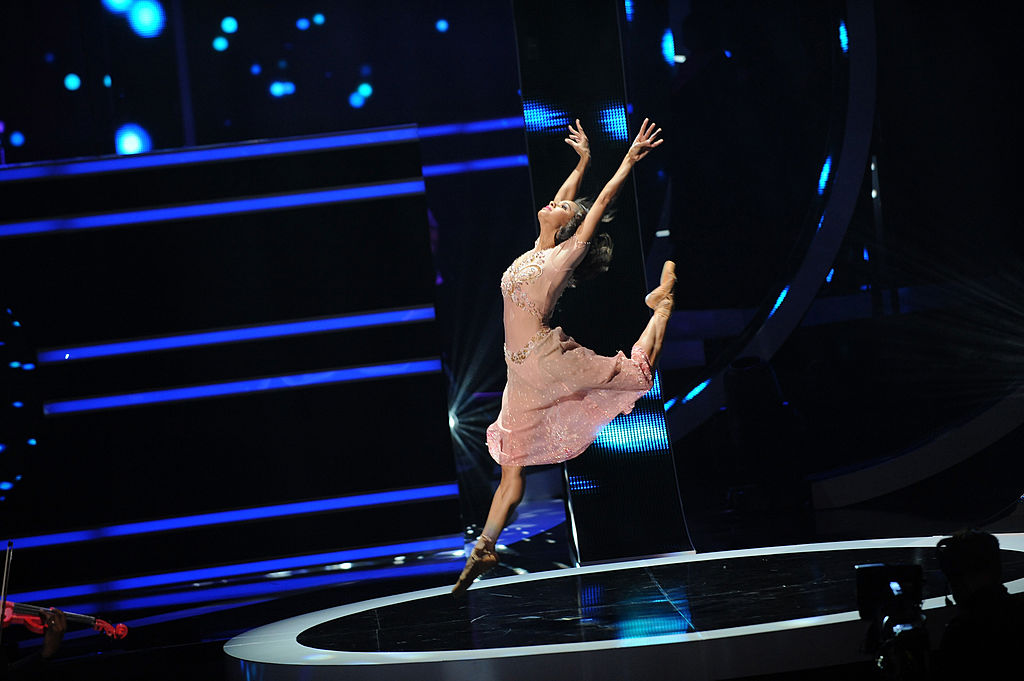
There isn’t a single avenue where Black women haven’t made history. Even if they haven’t seen representation of their goals being carried out, they’re brave enough to take that leap themselves and be the change that they want to see. Black women in fitness history, in particular, have always been innovators, dismantling paradigms to create space for themselves in a confining wellness culture that often didn’t include them. From track fields to tennis courts, from dance floors to gym floors, Black women’s bodies have been sites of resistance and redefinition. In celebration of Black History Month and the women who color our history with vibrance, here are some of the most important names to celebrate.
Venus and Serena Williams
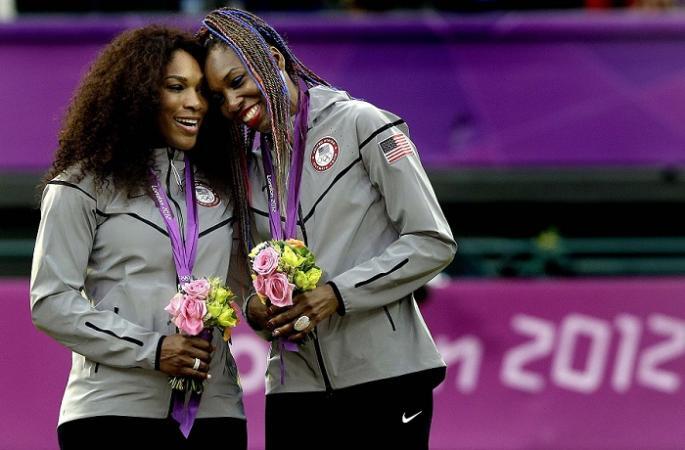
As two of the most talented sisters in tennis, Serena and Venus Williams singlehandedly rewrote the narrative around Black women’s bodies in sports. Earning countless Grand Slam singles titles while championing women in wellness and equal pay conversations, both athletes have made it a point to reshape what strength, femininity, and athletic excellence look like on the global stage.
Iris Kyle
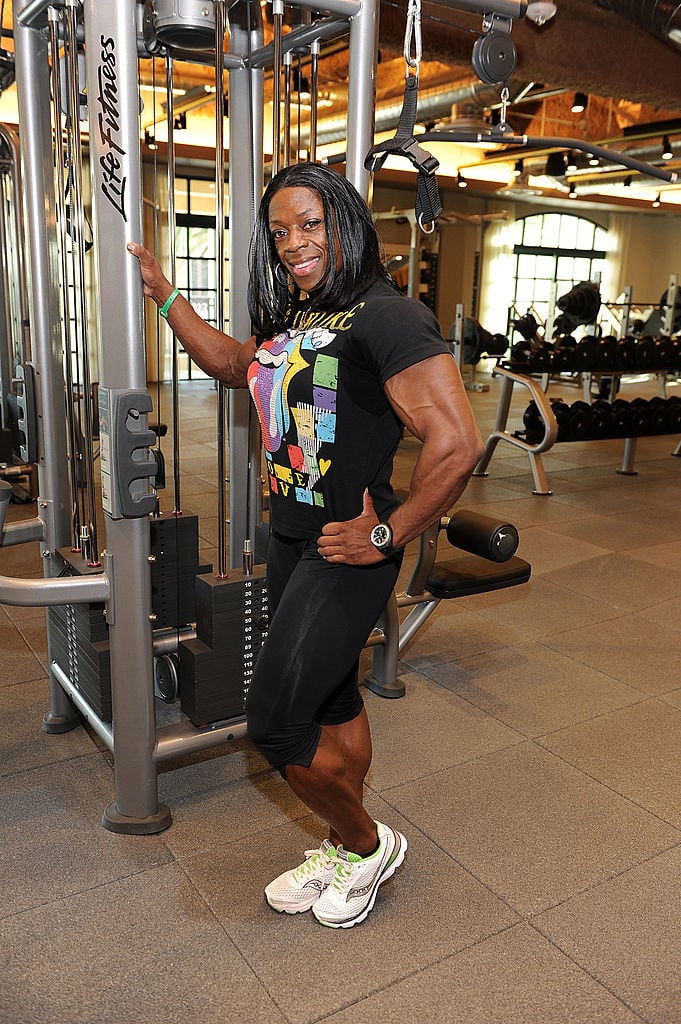 Photo by Denise Truscello
Iris Kyle is widely considered the greatest female bodybuilder of all time. With a record-breaking 10 Ms. Olympia titles, she has dominated a sport that has historically marginalized Black women and challenged everything about the previous beauty standards set for women. With a fixed goal in mind, her game was centered on building discipline and pushing the limits to reach her body’s maximum potential.
Dawn Staley
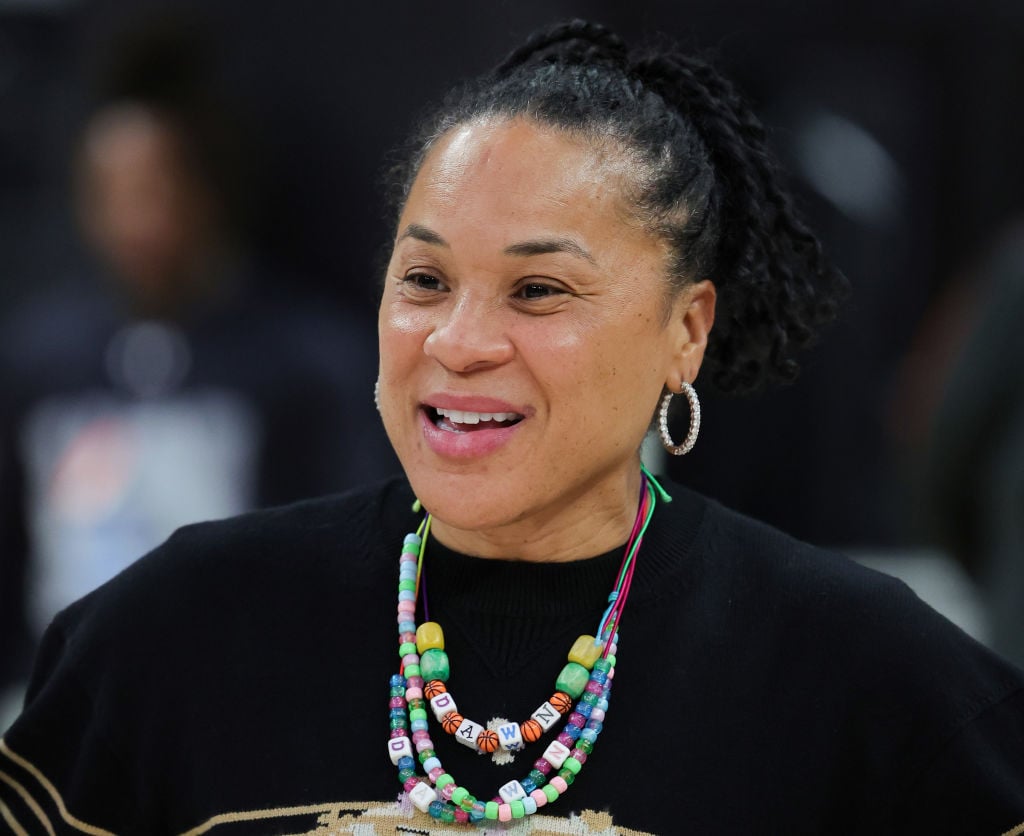 Photo: Ethan Miller/Getty Images
From WNBA star to legendary head coach for the South Carolina Gamecocks, Dawn Staley paved her own path for Black women in professional sports leadership. Beloved by so many, her influence proved Black women’s capability of being in power behind the scenes. She’s also been vocal about using sports as a pathway to education, stability, and self-worth for young Black women, extending her reach in women’s fitness far beyond her Hall of Fame playing career.
Donna Richardson Joyner
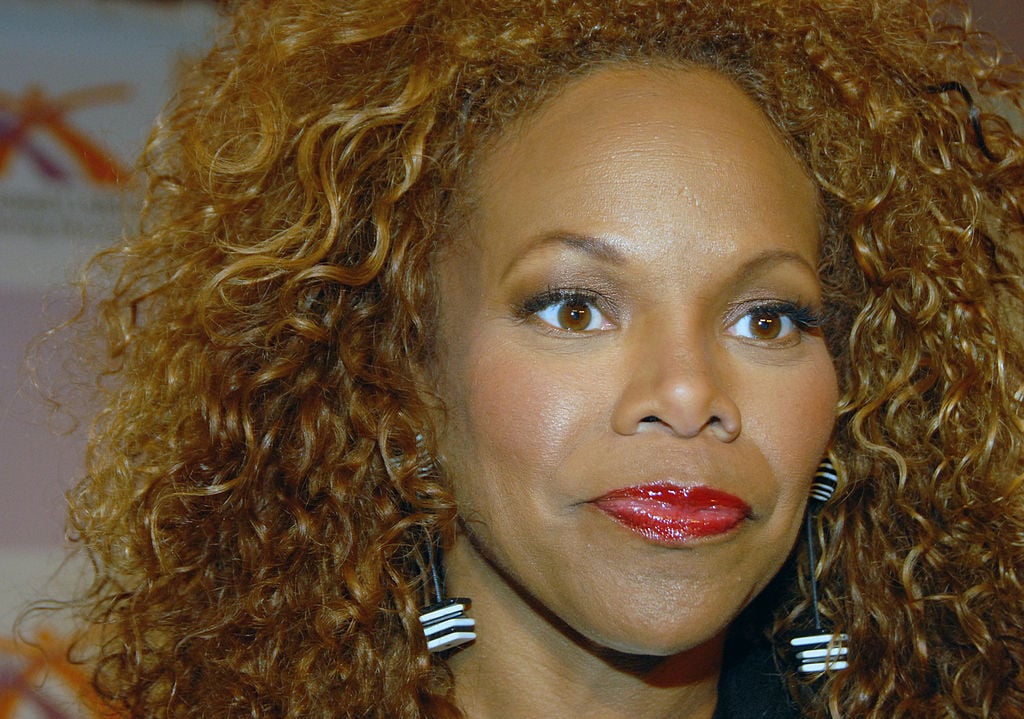 NEW YORK – DECEMBER 02: Donna Richardson attends a celebration of Susan Taylor’s 37 Years at Essence magazine at espace on December 2, 2008 in New York City. (Photo by Alli Harvey/Getty Images)
Donna Richardson Joyner made herself a household name in the ‘90s by serving as one of the most visible Black women in mainstream fitness media. Her workout videos brought joy, accessibility, and cultural visibility during the height of living-room workouts. Long after VHS tapes aged out, Joyner went on to build her own wellness brand, focusing on sustainable fitness, self-love, and aging well.
Misty Copeland
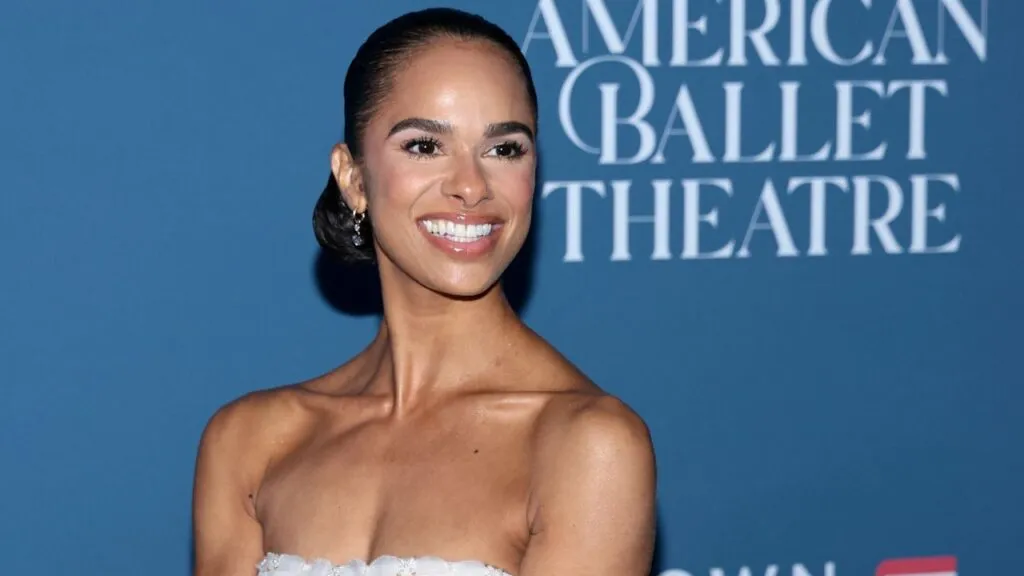 Photo: Dimitrios Kambouris/Getty Images for American Ballet Theatre
No one has ever done dance quite like Misty Copeland. In fact, her audacity shattered centuries-old norms in classical ballet when she became the first Black woman to be promoted to principal dancer at the American Ballet Theatre. In a world that has long enforced narrow ideals around body type, beauty, and what “proper” ballet movement is, Copeland’s bold presence in the industry was nothing short of revolutionary.
Florence Griffith Joyner
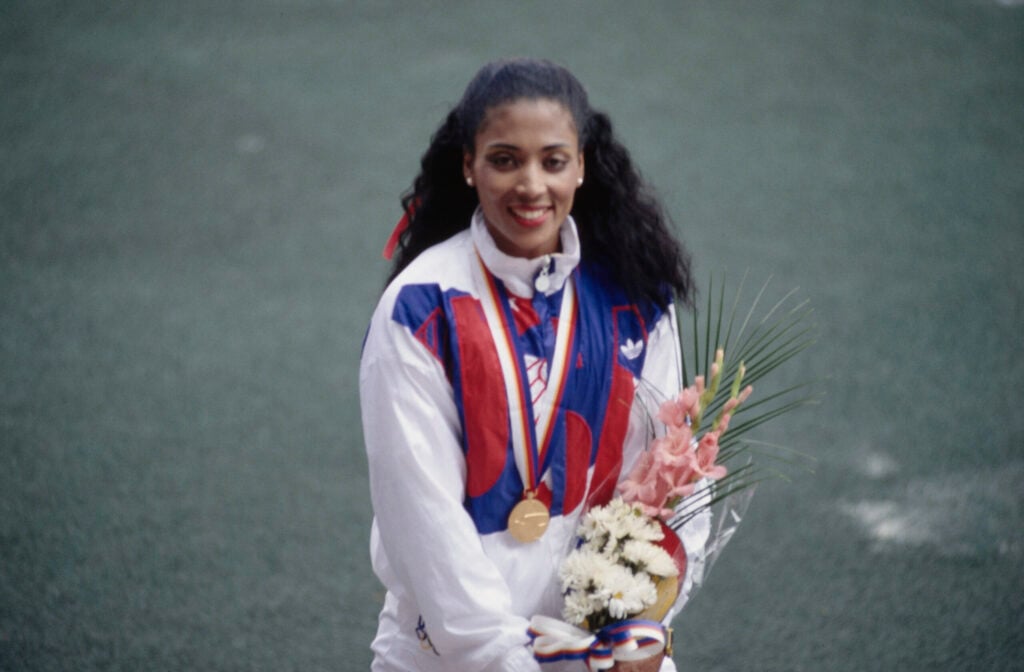 Bongarts
You can’t possibly go about mentioning sports legends without acknowledging Flo Jo. The track star’s world records in the 100m and 200m still stand decades later. Yet, beyond speed, her impact is felt through how unapologetically herself she was committed to being on the track. With long nails and high glam, she bulldozed past anyone in her way and proved that Black women didn’t have to downplay their femininity to be elite athletes.
Simone Biles
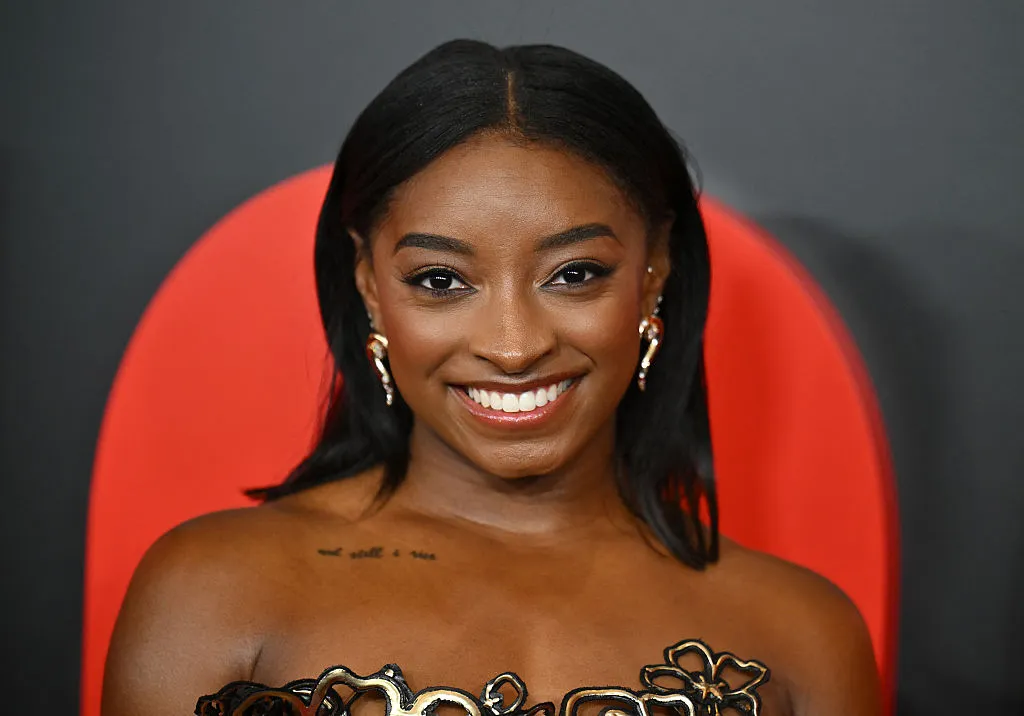 Photo: ANGELA WEISS/AFP via Getty Images
There’s no modern athlete quite as iconic as Simone Biles. With a tiny stature and mighty prowess, she stands as the most decorated gymnast of all time, seemingly earning Olympic gold effortlessly. Yet, even with all of the glory at her fingertips, she willingly stepped away when her mental health called for it. As a Black woman who is often expected to “push through” at all costs, putting her wellbeing first, she shifted the wellness conversation in sports in a critical way.
Wilma Rudolph
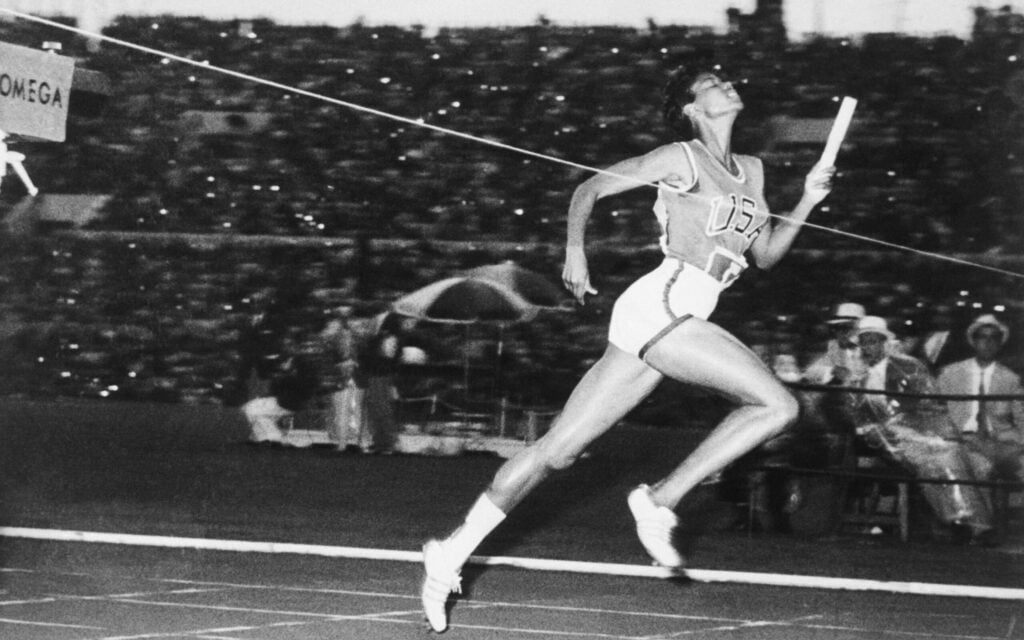 Running the anchor leg, American Wilma Rudolph crosses the finish line to win the women’s 400-meter relay at the 1960 Summer Olympics in Rome. The victory gave Rudolph her third gold medal of the Olympics. September 8, 1960.
When it comes to stories of triumphs, Wilma Rudolph holds one of the most inspiring. In 1960, after surviving polio as a child, she went on to become the first American woman to win three gold medals in a single Olympics. Her story of perseverance and resilience continues to echo in the athletes who followed in her footsteps.
Gabby Douglas
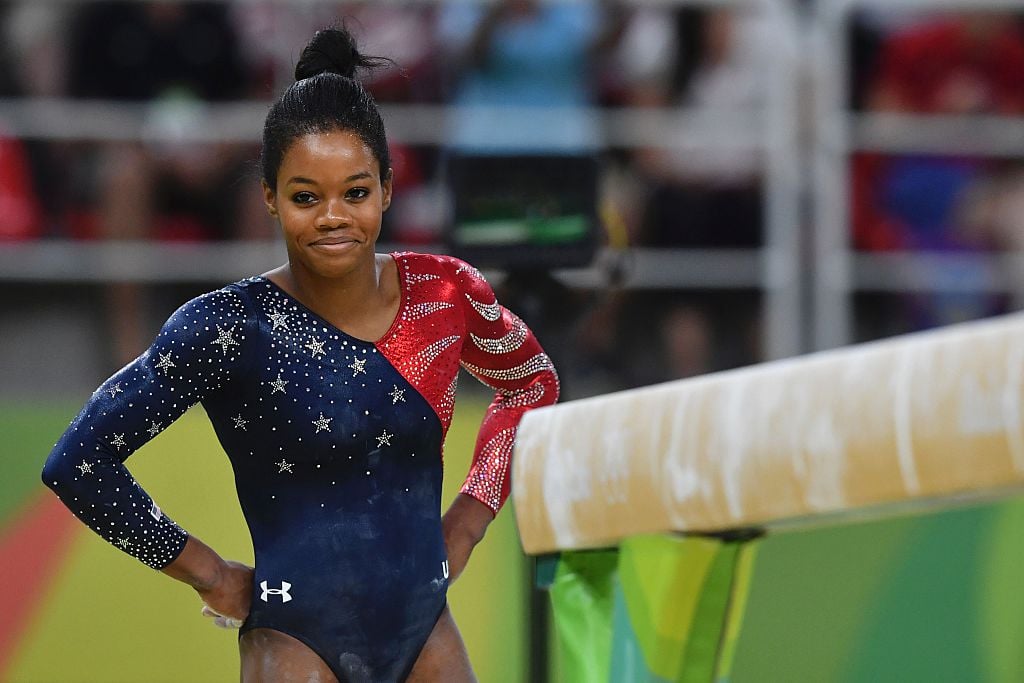 Photo: BEN STANSALL/AFP via Getty Images
At just 16 years old, Gabby Douglas became the first Black woman to win Olympic all-around gold in gymnastics. Even too early in her adolescence, Gabby wasn’t protected from facing intense public scrutiny. Yet, she carried on. With purity yet an unwavering sense of pride, her visibility around the globe shifted the heights that little Black girls could see themselves rising to.