
High property prices make the task of buying your first home in Ireland ever more challenging.
Many prospective first-time buyers find their search often limited to these options:
A new-build house that qualifies for Government financial aid schemes – often located on the outskirts of towns and citiesA fixer-upper in need of renovation, which may be more conveniently located
The second option is attractive if you have the savings to approach a renovation, but then comes the question of where to start in a home that needs work.
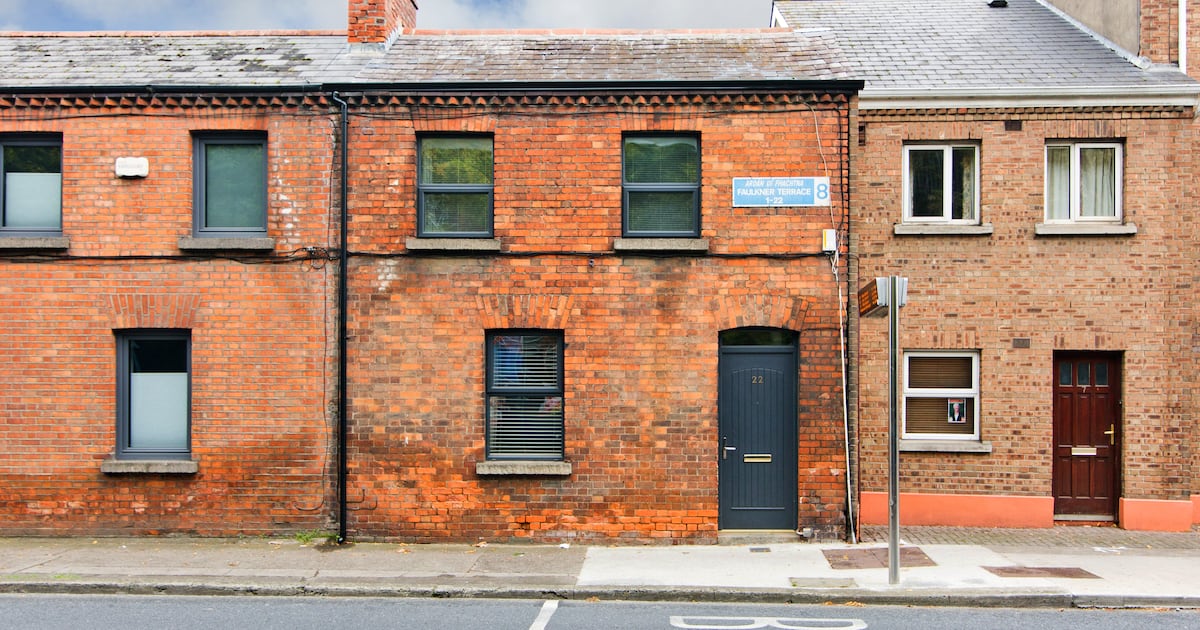
With that question in mind, The Irish Times asked architect John Dobbin of Dobbin + Company Architects to advise how he would suggest renovating 22 Faulkner Terrace in Kilmainham, Dublin 8: a two-bedroom midterrace property extending to 63sq m (678sq ft) with a G Ber. It is currently on the market with Sherry FitzGerald, seeking €395,000.
 Architect John Dobbin
The home is walking distance from Kilmainham village and the new national children’s hospital, which is reportedly nearing completion. It is also walking distance from St James’s Hospital and its red line Luas stop. From the house, Dublin Bus brings you as far as College Green in the city centre in about 20 minutes.
Dobbin took a two-fold approach: looking first at an initial renovation to improve the flow of the home before moving in, and then at a potential complete makeover you could do further down the line.
Looking at the potential cost, Dobbin says its tricky to define as there are so many variables that come into play, but he references SCSI research that estimates average renovation costs to be in the region of €1,500-€2,500 per sq m and new building costs for extensions to be in the region of €2,500 to €3,500 per sq m, excluding VAT and professional fees.
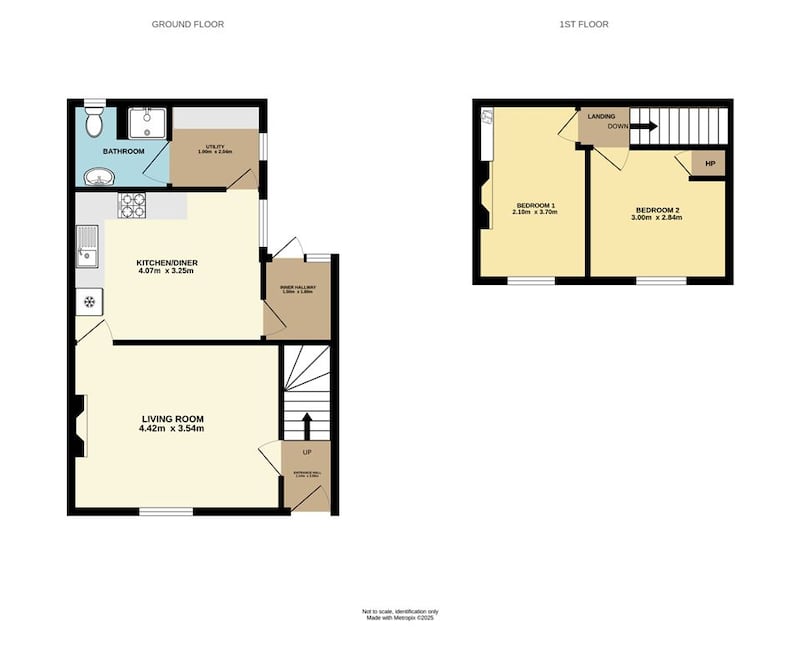 Faulkners terrace existing plan First step renovation
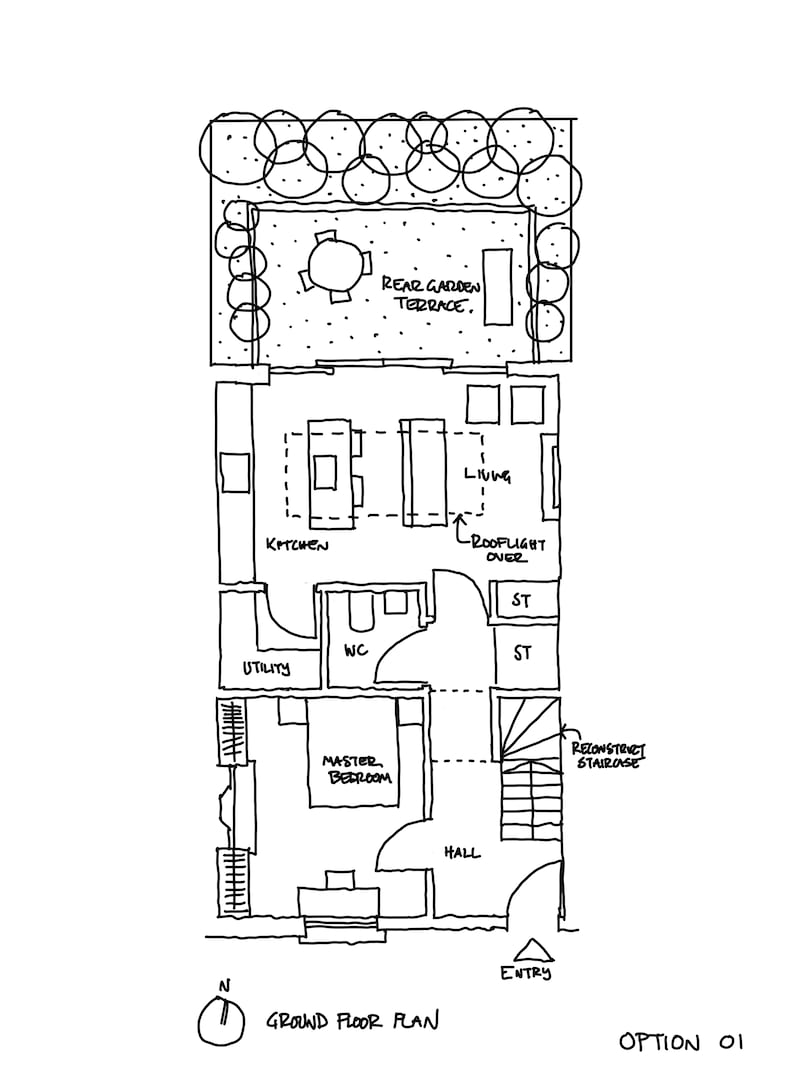 First step renovation plan
“The key issue with this house is that the bathroom and the utility space at the back of the house cut off any connection you would have with the back garden, which is a shame. And it means that the kitchen/dining space is landlocked in the centre of the plan.”
The lack of connection between the kitchen and the garden is compounded by the fact the back garden is north facing, “so we’ve got to do everything we can to capture the sun [coming through the front window in the current livingroom] from the quite busy road”.
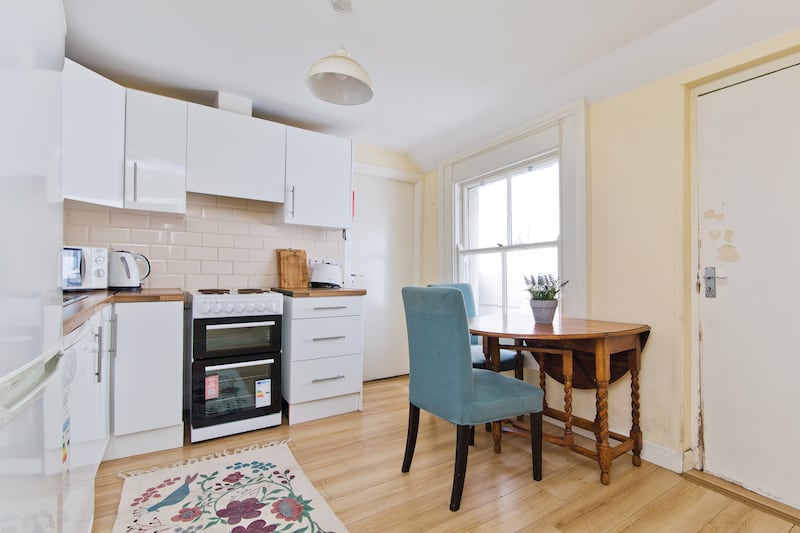 Existing kitchen in centre of plan
 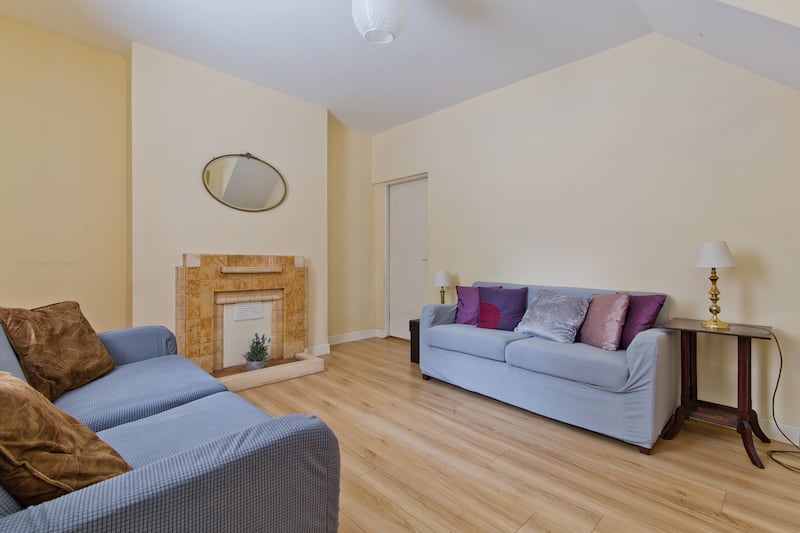 Existing livingroom to front of the house
“At the front of the house, one of the issues is that you’re using the living space as a corridor to get through to the back of the house.”
Here’s what he proposes:
Rearrange and extend the ground-floor layoutKeep the staircase to the first floor where it is and widen the front hallway by taking space from the existing livingroomTurn the existing livingroom into the main bedroom at the front of the house with triple-glazed windows to help block out road noise. Along with the two bedrooms upstairs, this would create a three-bedroom homeBeyond that, add the bathroom and the utility room in the centre of the planThe widened front hallway would lead to a modern kitchen/dining/living space to the back of the houseThe new kitchen/living space will be created by extending the existing footprint into the side garden space to meet the boundary wall.This allows the living space to connect to the good-sized garden, where you could plant trees for aesthetic purposes and for privacyBecause the rear is north-facing, you could add roof lights to the new living space to get light into that part of the house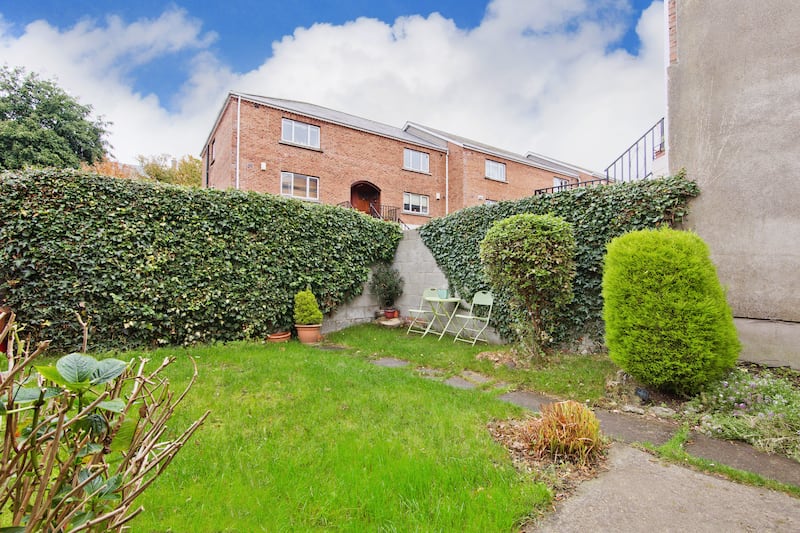 Back garden Maximise space and add bathroom upstairsUpstairs, maximise the space in both bedrooms by removing dated built-in storagePotentially add a rear window to the larger bedroom to make it double aspectAdd a new bathroom to the back of the house sitting over the new ground-floor extension
“I think that’s a simple way of looking at extending the house from its 63sq m to about 90sq m,” says Dobbin.
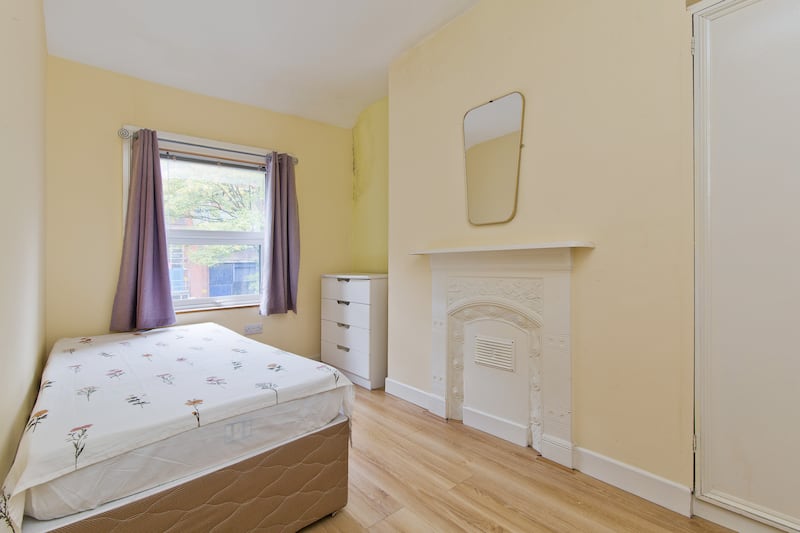 Main bedroom
 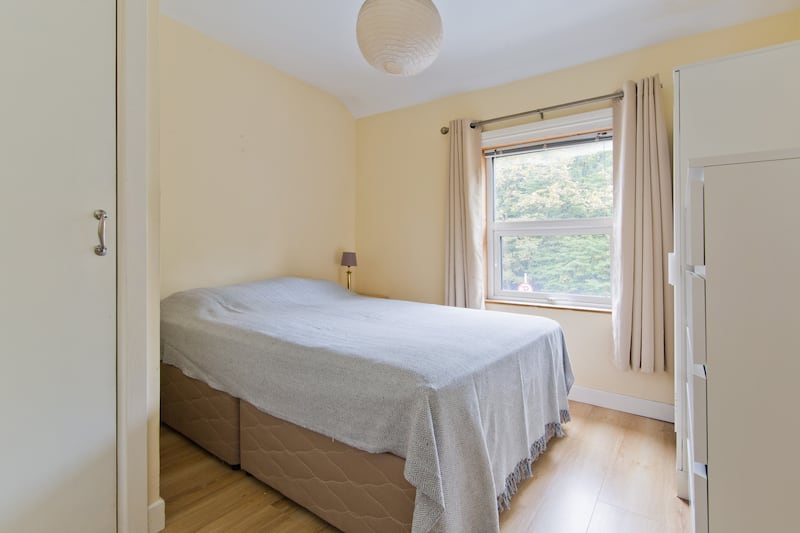 Second bedroom
For illustrative purposes only, a rough estimate of the cost using the metric of €2,000 per sq m for the renovation of the existing 63sq m footprint and €3,000 per sq m for the building cost of the 27sq m extension, would amount to €207,000.
Complete makeover option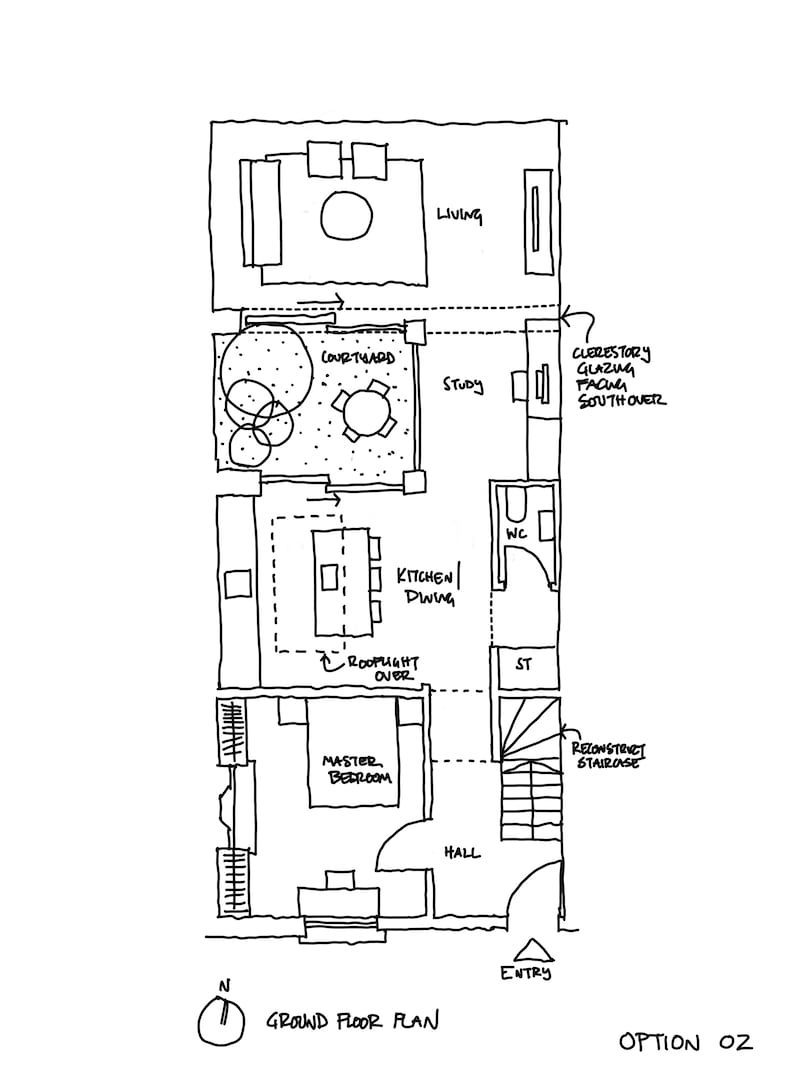 Makeover: plan for option 2 Like in the first plan, widen the entrance hallway and turn the existing livingroom at the front of the house into the main bedroomSimilarly, add the bathroom and utility room to the centre of the planHowever, at the back, add a single-storey extension all the way out to the rear boundary wall, creating separate kitchen and living spaces around a central courtyardThe living space to the rear of the plan will be spacious and get plenty of natural light from its now south-facing aspect. You could install a clerestory glazing facing south in the living space. Raising the roof height on this portion of the extension would further maximise the amount of natural light coming throughYou could also add the bathroom extension to the first floor as in the first plan
“This would create a fantastic three-bedroom family home of about 100sq m,” Dobbin says.
For illustrative purposes only, a rough estimate of the cost – using the metric of €2,000 per sq m for the renovation of the existing 63sq m footprint and €3,000 per sq m for the building cost of the 47sq m extension – would amount to €267,000.
These proposals are preliminary in nature, based on limited site data, and remain subject to detailed design development, technical surveys, and statutory planning processes.