
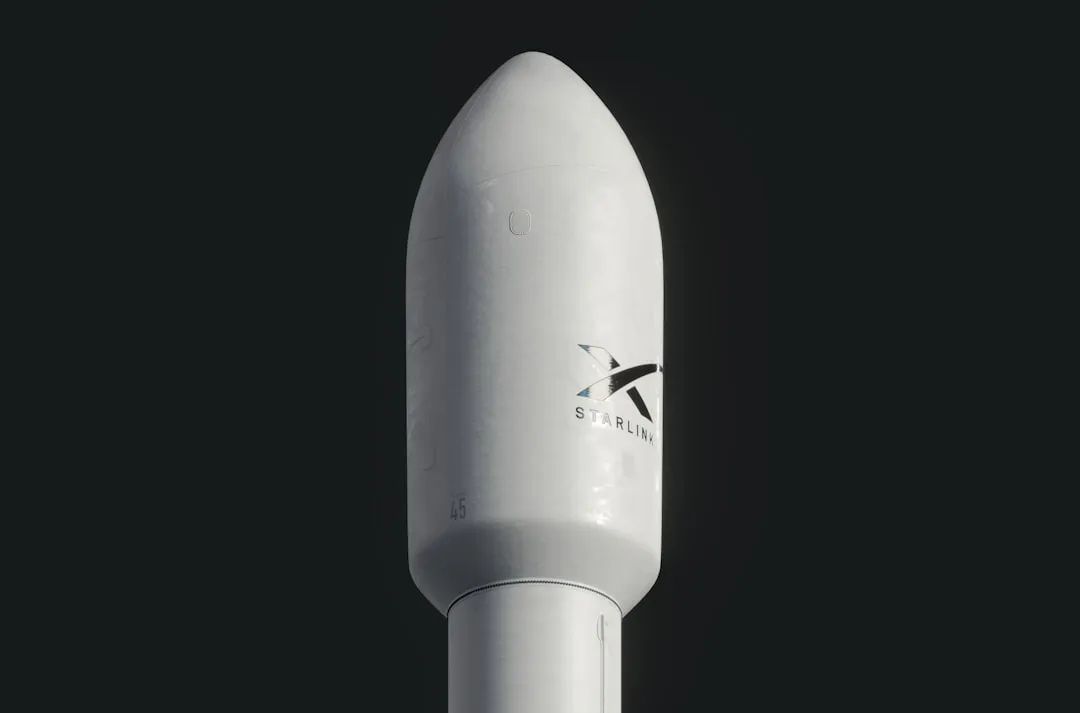
Mobile connectivity is about to take a giant leap skyward. Reports suggest the iPhone 18 Pro could deliver complete internet access through orbiting satellites, eliminating the need for traditional cellular towers or Wi-Fi networks (IBTimes). This would mean staying online whether you’re hiking remote trails, sailing offshore, or simply stuck in one of those frustrating coverage gaps that still plague even the best mobile networks (IBTimes). Behind this potential breakthrough sits a rumored partnership between Apple and SpaceX’s Starlink network, with Apple reportedly negotiating to expand beyond its current emergency-only satellite features (IBTimes). But there’s more to this story than just speculation—Apple recently secured a patent revealing they’ve already solved the core technical challenge that has prevented satellite internet on smartphones: maintaining stable connections as satellites move across the sky.
What Apple’s new patent actually reveals
Apple’s recently granted patent tackles one of satellite communication’s trickiest problems: maintaining a stable connection as satellites zip across the sky and disappear from view (PCMag). Here’s what makes this technically challenging—satellites in low-Earth orbit move at roughly 17,000 mph, crossing the sky in minutes. Your phone needs to predict which satellite comes next, establish the connection before the current one drops, and transfer your data stream—all while you’re watching a video or on a call without noticing anything happened.
The company’s solution involves a “handover procedure” that seamlessly transfers your phone’s connection from one satellite’s communication beam to another satellite as the first moves out of range (PCMag). In this system, each satellite essentially acts as a transparent relay node, keeping multiple smartphones connected without dropping the signal (PCMag). This smooth handoff capability would be essential for enabling voice calls and internet browsing over satellite—activities that demand continuous, uninterrupted connections (PCMag).
What makes this patent particularly interesting is its flexibility. The design works with satellites at various altitudes, including low-Earth orbit systems similar to SpaceX’s Starlink constellation—which means Apple isn’t locked into a single provider and could negotiate better terms or switch partners if needed (PCMag). The patent even hints that Apple could develop custom iPhone chips specifically optimized for communicating with its satellite network, potentially offering better battery efficiency and connection reliability than competitors who rely on generic satellite modems (PCMag). This isn’t Apple’s first satellite-related patent either. The company filed similar intellectual property two years ago, suggesting this has been a long-term strategic focus rather than a reactive move (PCMag).
From emergency SOS to full connectivity
Apple’s satellite journey started modestly. The company launched Emergency SOS via satellite in 2022, giving iPhone users a lifeline to contact emergency services when cellular networks weren’t available—but this used narrowband communication at roughly 0.1 Mbps, barely enough for compressed text messages (PCMag). Last year, Cupertino expanded this capability by enabling satellite-based iMessage texts (PCMag).
But current satellite messaging has significant limitations. Under ideal conditions with clear sky visibility, sending a single message can take around 30 seconds (PCMag). To put that in perspective, streaming HD video requires sustained speeds of at least 5 Mbps—roughly 50,000 times faster than current satellite messaging. You can’t browse Instagram, stream music, or video chat with your mum when each message takes half a minute to send. This massive speed gap explains why Apple’s handover patent is so crucial—uninterrupted connections are the foundation for achieving the data rates full internet access requires.
To strengthen these features, Apple invested an additional $1 billion in Globalstar, its satellite partner, back in October (PCMag). Crucially, this funding will support expanded mobile satellite services for Apple and help build an entirely new satellite constellation (PCMag). While specific details about this next-generation constellation remain limited, the investment signals Apple’s commitment to transforming satellite connectivity from an emergency backup into a primary communication method—and when Apple drops a billion dollars on infrastructure, they’re building for capabilities far beyond text messages (PCMag).
The SpaceX connection and competitive landscape
The rumored Apple-SpaceX partnership has real substance behind it. According to reports, Apple is negotiating with SpaceX to go beyond emergency features, with Starlink already using the same radio spectrum Apple employs for its emergency services (IBTimes). This alignment could make technical integration smoother and faster than starting from scratch with a different provider, particularly because both systems operate in compatible frequency bands—meaning existing Starlink satellites could potentially serve iPhone users with minimal modifications (IBTimes).
Apple isn’t the only player racing toward satellite-enabled smartphones. T-Mobile has begun rolling out satellite messaging in the US through SpaceX’s cellular Starlink system, offering text-only services to Samsung and Google Pixel devices (PCMag). Meanwhile, AT&T and Verizon are partnering with startup AST SpaceMobile to bring satellite connectivity to consumer phones (PCMag).
This competitive landscape suggests satellite connectivity is becoming a must-have feature rather than a nice-to-have novelty. For Apple, delivering this capability first on the iPhone 18 Pro could represent a significant competitive advantage that rivals would struggle to match quickly—Android manufacturers would need to negotiate their own satellite partnerships, modify hardware designs, and wait for carrier agreements, a process that typically takes 18-24 months (IBTimes). Apple’s combination of patent-protected technology, billion-dollar infrastructure investments, and potential SpaceX partnership creates a formidable head start.
Real-world implications and remaining challenges
If this technology materializes, it could fundamentally reshape mobile connectivity. Remote and rural communities across the UK, Europe, Africa, and Asia could gain reliable internet access without waiting for traditional infrastructure buildout (IBTimes). The shift from tower-based to satellite-based connections would essentially redefine what “mobile connectivity” means—your phone wouldn’t be “mobile” because it works within range of towers, it would be mobile because it works anywhere on Earth with a view of the sky (IBTimes).
These transformative benefits explain why Apple is willing to tackle significant technical hurdles that have prevented satellite internet on smartphones until now. Mobile carriers would likely need to rethink their business models as satellite-based connections offer consumers an alternative route to staying online (IBTimes). The most likely outcome? Carriers become satellite service resellers, bundling satellite access into premium plans while maintaining control of the customer relationship—similar to how they currently handle roaming agreements.
However, significant hurdles remain. Integrating full satellite internet into a smartphone is vastly more complex than providing emergency SOS functionality (IBTimes). Success would require additional antennas, improved power management systems, and new spectrum licensing to operate legally across different countries (IBTimes). Battery drain could be a serious concern—current satellite phones consume 3-5 times more power than cellular connections. Apple’s patent addresses this by enabling the phone to predict satellite positions and only activate the satellite radio when a handover is imminent, potentially reducing power consumption to levels comparable with 5G.
Economic questions loom large too. Satellite data is expensive, raising questions about whether this feature would be included in standard data plans or sold as a premium subscription (IBTimes). Performance could also vary based on satellite density, latency, and regulatory approval, particularly within Europe’s strict telecommunications framework (IBTimes). The EU doesn’t exactly move quickly when approving new wireless technologies, which could mean phased rollouts with North America launching first.
What to expect from the iPhone 18 launch
Early reports suggest only the iPhone 18 Pro and Pro Max will receive satellite internet capability initially, with the standard iPhone 18 potentially following later (IBTimes). This tiered approach would further differentiate Apple’s “Pro” lineup, offering capabilities that competing devices couldn’t easily replicate while deepening customer lock-in to Apple’s ecosystem—particularly valuable as smartphone upgrade cycles lengthen and Apple needs stronger differentiation to justify premium pricing (IBTimes).
For consumers, the promise is compelling: unbroken connectivity built directly into your phone (IBTimes). But based on Apple’s historical rollout patterns and the technical complexity involved, expect initial limitations—likely capped data speeds around 10-20 Mbps, restricted to specific geographic regions with regulatory approval, and potentially requiring a $10-15 monthly subscription on top of standard data plans. This feature will likely come with caveats around cost, rollout timelines, hardware limitations, and availability (IBTimes).
While the evidence supporting an Apple-SpaceX partnership is mounting, nothing is official yet (IBTimes). The iPhone 18 series is rumored for release around 2026 or 2027, which gives us time to see whether this “secret partnership” becomes a headline product feature or remains in the realm of patents and possibilities (IBTimes). Apple’s known for filing patents on technologies that never make it to consumer products, but the combination of patent activity, billion-dollar investments, and competitive pressure suggests this one might actually happen.
Bottom line: Patents, partnerships, and what comes next
The combination of Apple’s new handover patent, its billion-dollar Globalstar investment, and rumors of a SpaceX partnership paint a picture of serious satellite ambitions. This isn’t just about emergency features anymore—it’s about fundamentally changing how we think about mobile connectivity. The technology to make this happen is being developed right now, with Apple addressing the core technical challenges through its patent work and building the infrastructure through strategic investments.
Whether the iPhone 18 Pro actually delivers full satellite internet depends on resolving complex technical, regulatory, and economic challenges. But the groundwork is clearly being laid. For Apple ecosystem enthusiasts, this represents potentially the most significant connectivity upgrade since the iPhone first gained cellular data. Keep watching—the next couple of years will reveal whether satellite connectivity becomes a defining feature of the iPhone experience or remains a promising idea that needs more time to mature.