
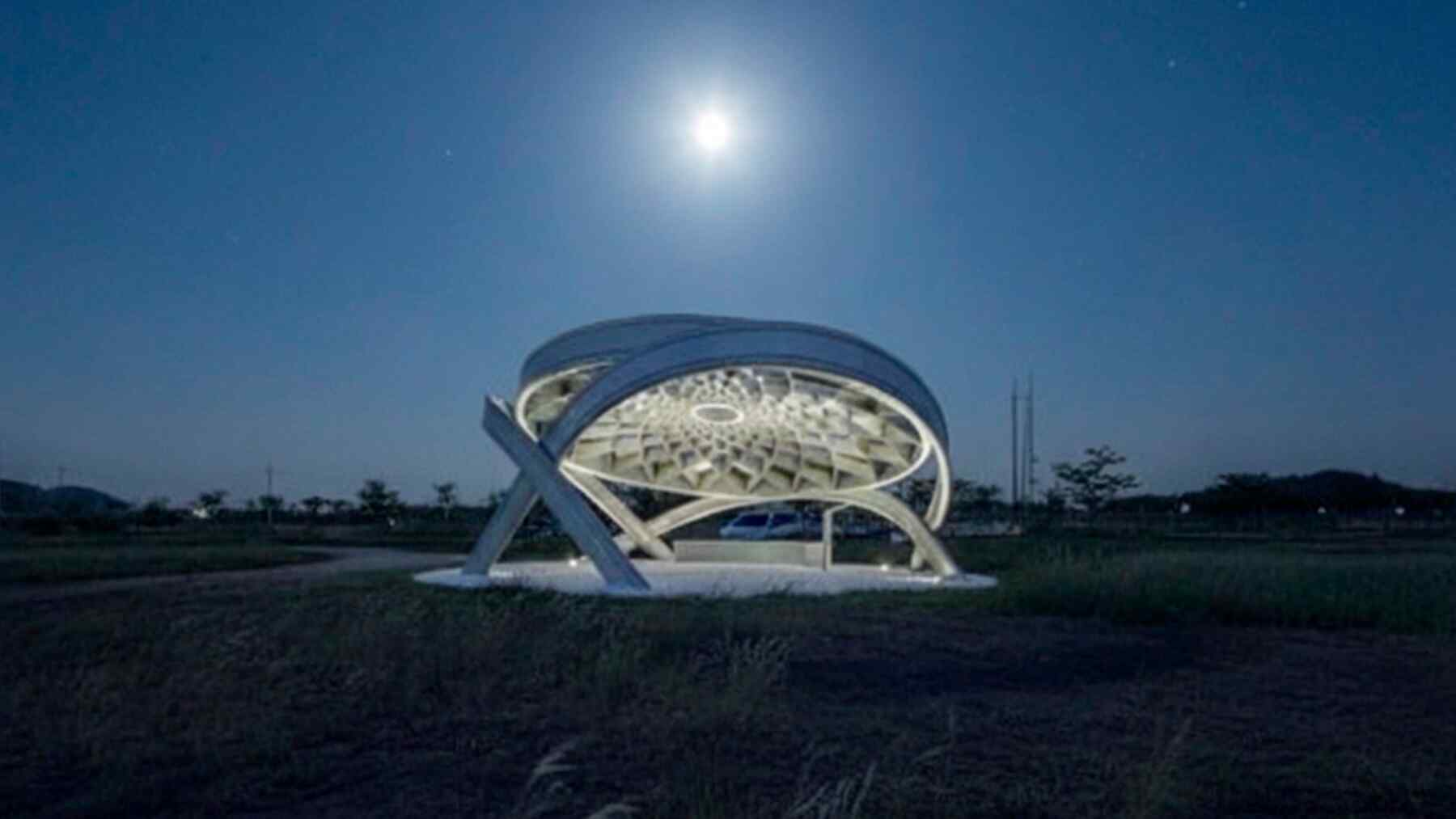
You probably don’t think of solar panels as functional, not beautiful. They’re not normally an installation chosen for aesthetic appeal. That assumption is shifting. New concepts are emerging that look less like industrial hardware and more like architectural features. This is not just about generating electricity. It’s about whether clean energy can blend into your daily life in ways you didn’t expect. What if the future of clean energy were different from what we’ve been told?
From a power drive to an aesthetic one
Solar power used to be the “alternative.” Now it’s everywhere: rooftops, parking lots, massive fields you pass on road trips. Installed capacity keeps climbing, and for years, the goal felt simple: produce clean energy and cut down on fossil fuels.
Efficiency has always been the priority. Looks? Not so much. But what’s changing for a growing number of people is that it’s no longer enough for solar to just work; it also has to look good. Homeowners don’t want bulky panels disrupting their rooflines, architects don’t want tech that clashes with their designs, and cities don’t want infrastructure that feels industrial.
And this is important: solar isn’t just an engineering decision anymore, it’s a design choice. We’re moving from “How much power does it generate?” to “How does it fit into the space where you live?” One striking “solar diamond” concept suggests that balance might be closer than you think.
And then you look at South Korea’s Solar Pines
In Seoul, sculptural rest areas known as “Solar Pines” rise like futuristic trees. Their geometric roofs mimic the layered pattern of pine cones, tilting upward to catch sunlight from multiple angles.
This isn’t an isolated case, either. In Seattle, brightly colored solar installations light up intersections at night, turning renewable infrastructure into public art. Energy generation becomes part of the visual identity of the space.
Solar technology — once criticized for being bulky or unattractive — is becoming a design statement, which raises a bigger question. Is this about efficiency, or is it about changing how people feel about renewable energy in the first place? Because when energy infrastructure starts doubling as sculpture, it suggests something deeper is shifting.
Appealing for its energy and aesthetics
If you step back and really look at Solar Pines, you notice something deliberate. They don’t just sit there collecting sunlight, they imitate nature. The geometric roof echoes the layered structure of a pine cone, and that shape isn’t decorative fluff. It tilts upward to catch light more effectively, increasing overall output.
Reports suggest each structure can generate up to 1.2 kilowatts per hour — enough to power the surrounding rest area after dark. So yes, it’s art, but it’s also infrastructure. And that dual identity is where things start to feel different.
These projects aren’t trying to hide solar panels anymore, they’re trying to make them desirable, especially in dense urban spaces, where traditional flat panels often face resistance over aesthetics or land use. In other words, this isn’t just about generating electricity; it’s about changing perception.
Another detail often gets overlooked, which is that the components were factory-produced and assembled efficiently on-site. This means faster installation, less disruption, and a streamlined process that translates well into scalability.
Two versions have already been completed — years apart — which means this wasn’t a one-off experiment — it evolved. So now you have renewable energy that looks intentional, aesthetic, and integrated.
This raises a subtle but important question: If solar can blend into landscapes this seamlessly — and still produce measurable output — what’s actually stopping it from becoming part of everyday urban design? Because once energy turns into architecture, the rules feel like they’re shifting, and that shift might be bigger than it first appears.
Disclaimer: Our coverage of events affecting companies is purely informative and descriptive. Under no circumstances does it seek to promote an opinion or create a trend, nor can it be taken as investment advice or a recommendation of any kind.