
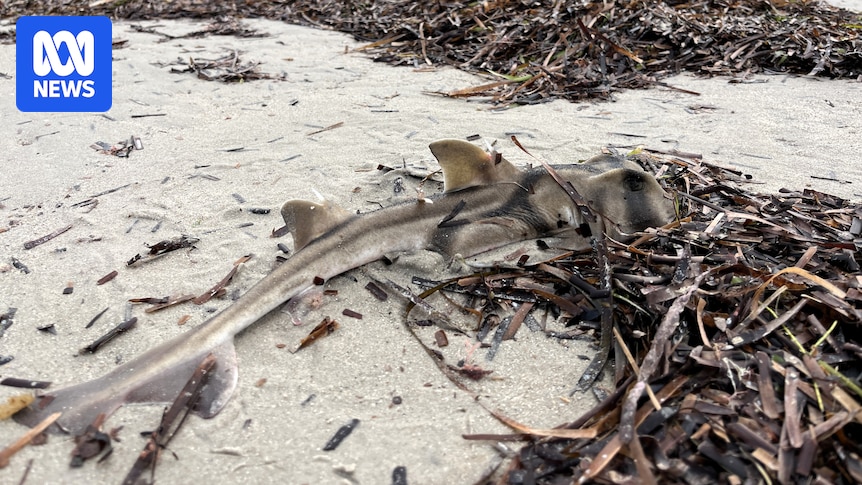
Fishing licence buybacks and restocking plans are among the 11 recommendations in the final report of the state parliament’s Joint Committee on Harmful Algal Blooms in South Australia.
The committee, which was chaired by Greens MLC Robert Simms, was established in September.
The report, which was handed down this week, follows a similar one conducted last year after a Senate inquiry.
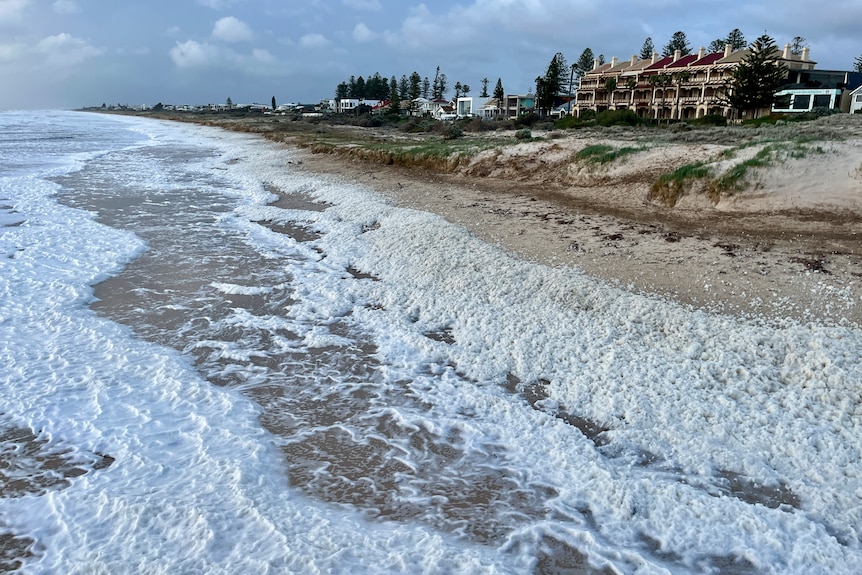
The bloom is not currently impacting metropolitan beaches but is still in other parts of the state. (ABC South East SA: Caroline Horn)
The report also recommended a long-term assessment program of the ecological effects of the ongoing bloom, as well as a review of staffing across agencies to ensure “any gaps in water monitoring and research capacity are appropriately filled”, and that those agencies implement regular reporting regimes.
While now largely absent from metropolitan beaches and monitoring sites, the algal bloom is still impacting other areas in the state.
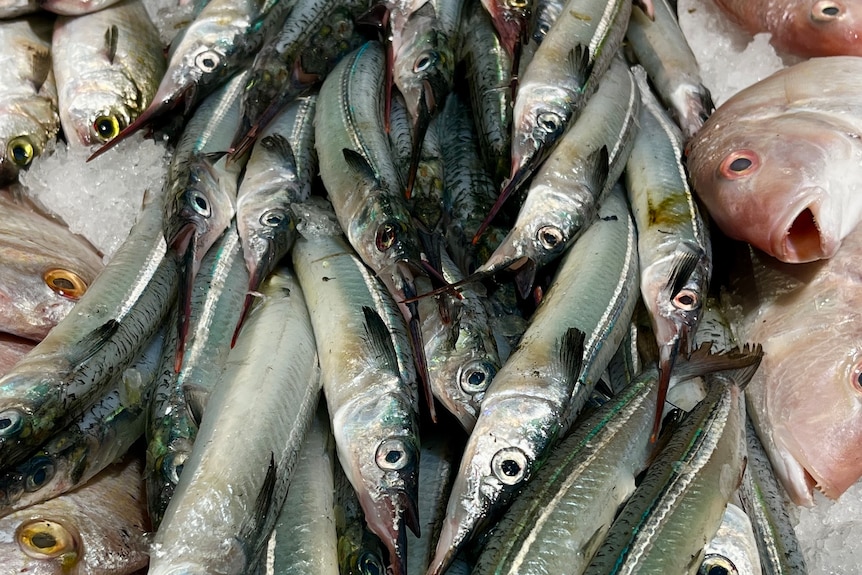
Seafood Industry South Australia told the committee the harmful algal bloom had had “catastrophic impacts on South Australia’s seafood sector”. (ABC News: Caroline Horn)
Buybacks ‘needed’
The committee’s report recommends South Australia’s next government consider introducing a fishery licence buyback scheme for impacted fishers, with a limited number made available at low or no cost for fishers who choose to temporarily leave the industry, allowing them to re-enter when stocks improve.
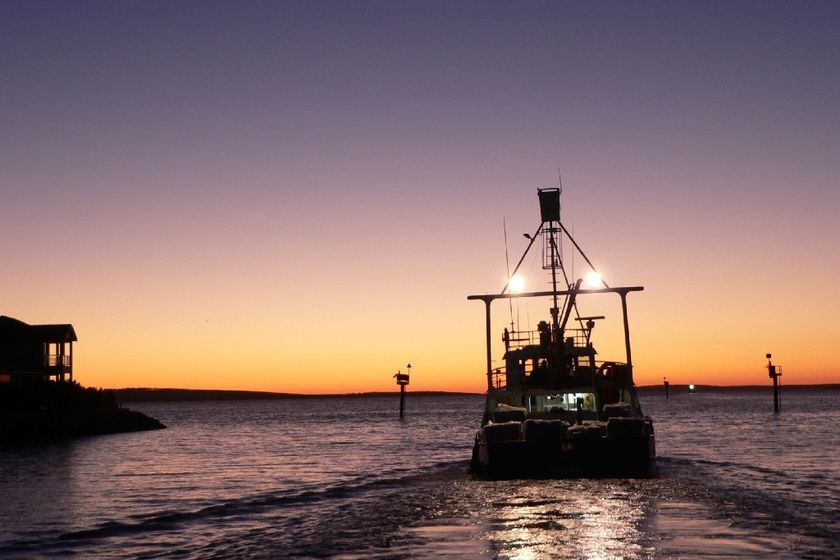
The report recommended the government consider a commercial fishing licence buyback scheme. (Des Woolford: user submitted)
In its submission to the committee, the industry body, Seafood Industry South Australia, said the algal bloom had been catastrophic and the “greatest ecological, economic and social challenge faced by South Australia’s seafood industry in a generation”.
As well as buyback implementation, licence rationalisation and resource reallocation, the industry called for investment in calamari, whiting, garfish and snapper units across Gulf St Vincent and Spencer Gulf.
Port Wakefield-based marine scale fisherman Bart Butson told the ABC’s Country Hour that a buyback scheme was “much needed and wanted”.
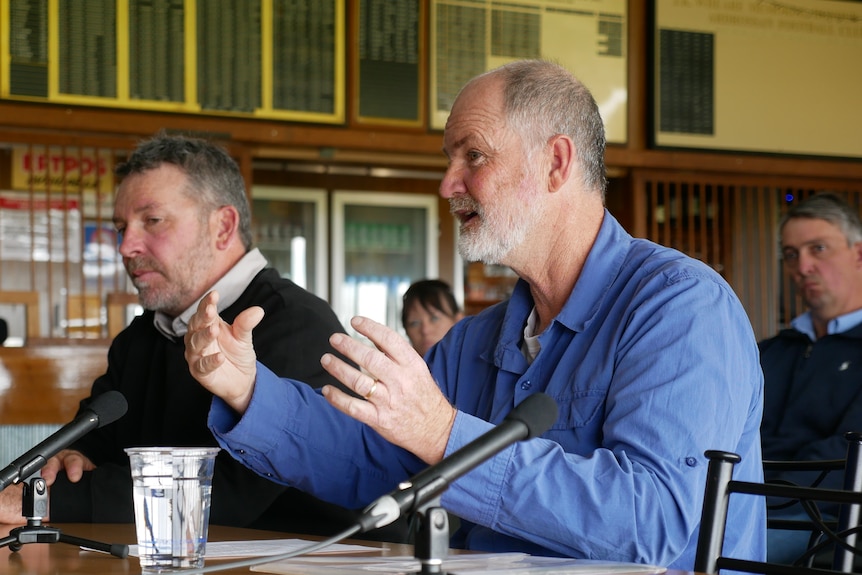
Bart Butson also gave evidence to the Senate inquiry into the algal bloom in Ardrossan. (ABC News: Viki Ntafillis)
“Fishers … know how slow the recovery of the fish stock is, so they know it’s a long time before we’ll be properly commercial fishing again, so there’s still some desperation out there amongst the fishers,” Mr Butson said.
“[A buyback scheme] would mean different things to different people — if a fisher is older, he may want to slip into retirement, but if a fisher is younger, he may want to pay off some debt and start work in a different career.”
In late 2025, the South Australian opposition pledged a $21-million voluntary fisheries buyback scheme — if elected at the upcoming state election — to allow commercial fishers to leave the industry amid the harmful algal bloom.
Primary Industries Minister Clare Scriven said the Labor government had invested $500,000 to investigate the feasibility of a buyback scheme.
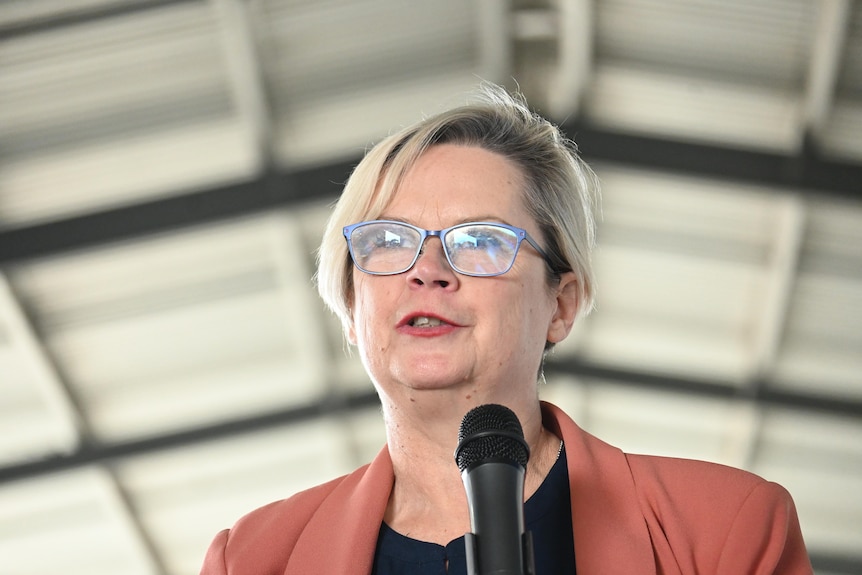
South Australian Primary Industries Minister Clare Scriven. (ABC South East SA: Caroline Horn)
“We wanted to invest the time and resources to actually make sure this is looked at properly so we can be sure that there is a sustainable fishing industry going forward … in terms of fish stocks, but also in terms of financial stability for those in the industry,” Ms Scriven said.
Dissenting statements
The joint committee’s report also contained dissenting statements from the chair, Robert Simms, and Liberal MPs Nicola Centofanti and Matt Cowdrey.
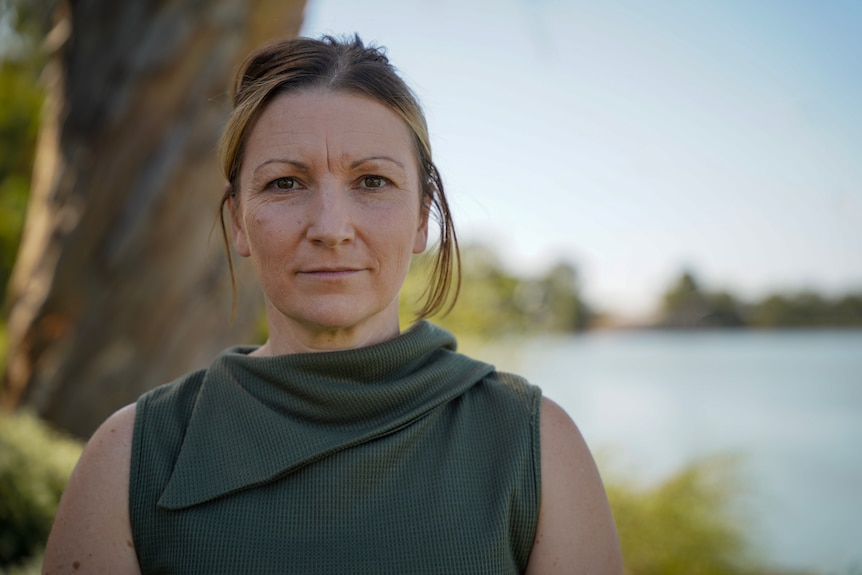
Liberal Shadow Minister for Primary Industries Nicola Centofanti. (ABC Riverland: Will Hunter)
In their statement, Ms Centofanti and Mr Cowdrey said the report had not adequately confronted the “scale of government failure”, including gaps in baseline monitoring and delays in public communication.
Mr Simms said while he endorsed all of the report’s recommendations, he had concerns that it did not contain findings that explicitly highlighted “deficiencies in the State Government’s response” given what he called a “weight of evidence” presented to the committee that it had been too slow to respond to the bloom and had significant gaps in data collection.
‘Vanilla’ recommendations
Ecologist and now candidate for the upper house in the upcoming March 21 state election, Faith Coleman, told ABC Radio yesterday that the recommendations were “all pretty vanilla”.
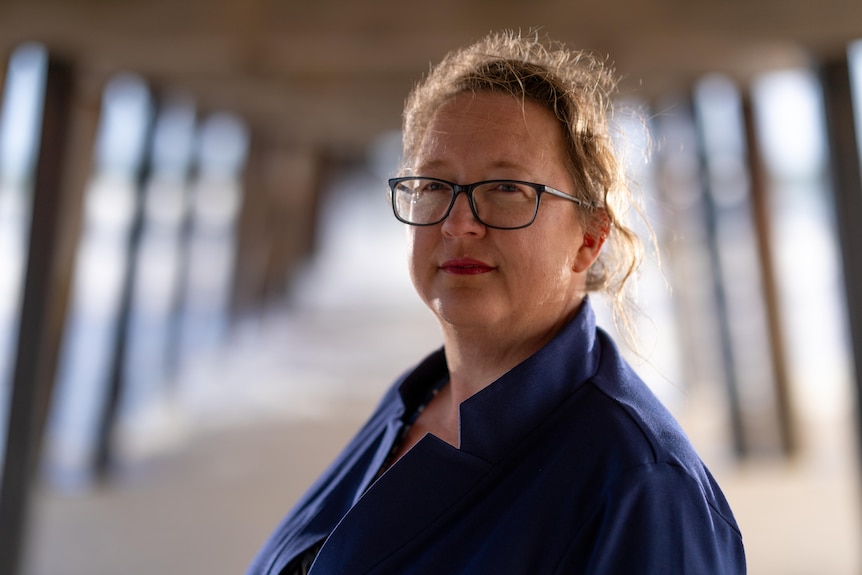
Faith Coleman says the report’s recommendations were “all pretty vanilla”. (ABC News: Che Chorley)
Ms Coleman appeared before the committee in January and raised allegations that public servants had told her they had been told not to investigate the cause of the algal bloom until after the state election.
Those allegations have been strongly refuted by the South Australian government.
She said she was concerned that the report did not reflect concerns raised in the community around a lack of access to data, including those gathered in the lead-up to the discovery of the bloom.
“There’s a series of conversations around a lack of transparency that haven’t been addressed in the recommendations of that report,” she said.
The South Australian election will be held on March 21.