
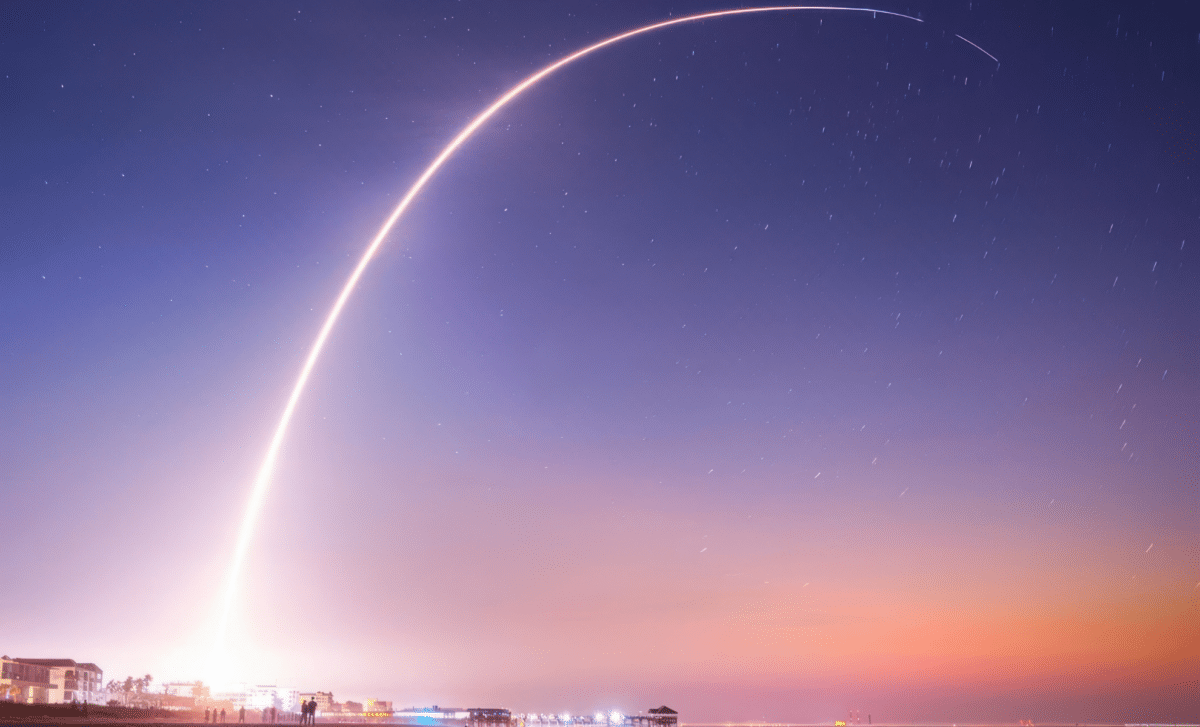
The Civil Aviation Authority of The Bahamas (CAA-B) has officially granted SpaceX permission to resume its rocket landings in the country’s waters after a review was conducted following a test flight mishap with Starship in 2025. This decision paves the way for Falcon 9 rockets to land once again in Exuma Sound, marking the continuation of SpaceX’s collaboration with The Bahamas, a crucial part of the space company’s operations. This article explores the developments surrounding the approval, the impact of the environmental assessment, and what it means for future rocket landings in the region.
Resumption of Falcon 9 Rocket Landings in The Bahamas
After a nearly year-long suspension, SpaceX will soon resume landing its Falcon 9 rockets in the waters of The Bahamas. This decision comes after the Civil Aviation Authority of The Bahamas (CAA-B) completed a thorough regulatory and environmental review, which ultimately allowed SpaceX to continue its rocket operations. The partnership between the Bahamas and SpaceX initially began with a test landing in 2025, when the company successfully landed a Falcon 9 booster in Exuma Sound. However, after a mishap with SpaceX’s Starship in March 2025, which saw debris scattered across parts of the island nation, Bahamian authorities halted further landings until the environmental and safety assessments were completed.
SpaceX had hoped to carry out multiple landings over the previous year, but the environmental assessment required after the Starship test flight mishap delayed progress. Now, with approval granted, the company can resume its missions. “All requisite regulatory and environmental reviews and clearances have been completed in accordance with aerospace safety and operational protocols,” CAA-B officials stated, signaling that the regulatory bodies are confident in the safety measures surrounding the upcoming launches. The first new landing is scheduled for February 19, 2026, as part of the Starlink Group 10-36 mission.
The Environmental Review Process: A Crucial Step
The environmental review process was a critical component of the decision-making. After the March 2025 Starship test flight incident, debris from the upper stage of the rocket fell over the Bahamian islands, causing concern over potential environmental damage. As a result, local authorities required a comprehensive assessment to determine whether the rocket landings posed a threat to the natural environment of the region.
The review analyzed the potential risks to marine life, local ecosystems, and the surrounding waters, especially as SpaceX plans to continue landing boosters on drone ships in the ocean. This environmental scrutiny is vital, considering that The Bahamas is an ecologically sensitive region with a rich marine environment. The results of the environmental study were favorable for SpaceX, and the company has committed to adhering to all environmental safety protocols in future landings.
RIP Starship 8! Great view from the Bahamas. @SpaceX #spacex #starship8 pic.twitter.com/8p2Dcx5gbz
— Stefanie Waldek (@StefanieWaldek) March 6, 2025
The Strategic Importance of The Bahamas for SpaceX
SpaceX’s partnership with The Bahamas is integral to the company’s broader space launch and landing strategy. The Bahamas, particularly the Exuma Sound region, offers an ideal location for rocket landings due to its proximity to SpaceX’s launch site at Cape Canaveral Space Force Station in Florida. The region’s open waters allow for safe and controlled landings, which are essential for the reusable Falcon 9 rockets.
Prior to the review suspension, SpaceX had planned to land up to 20 boosters in the Bahamas during the year, further increasing the efficiency of its rocket recovery operations. While the Starship test flight mishap delayed these plans, the resumption of landings is expected to allow SpaceX to improve its operations and reduce costs, as reusing rockets is a critical part of the company’s goal of lowering the overall price of space launches.
By having the ability to recover Falcon 9 boosters in the Bahamas, SpaceX gains more flexibility in its flight paths, which can help optimize the company’s launch schedule. The Bahamas’ location in the Atlantic Ocean gives SpaceX access to different orbital trajectories that are essential for launching satellites into various orbits.