
Photo-Illustration: by The Cut; Photos: Courtesy of the Subject
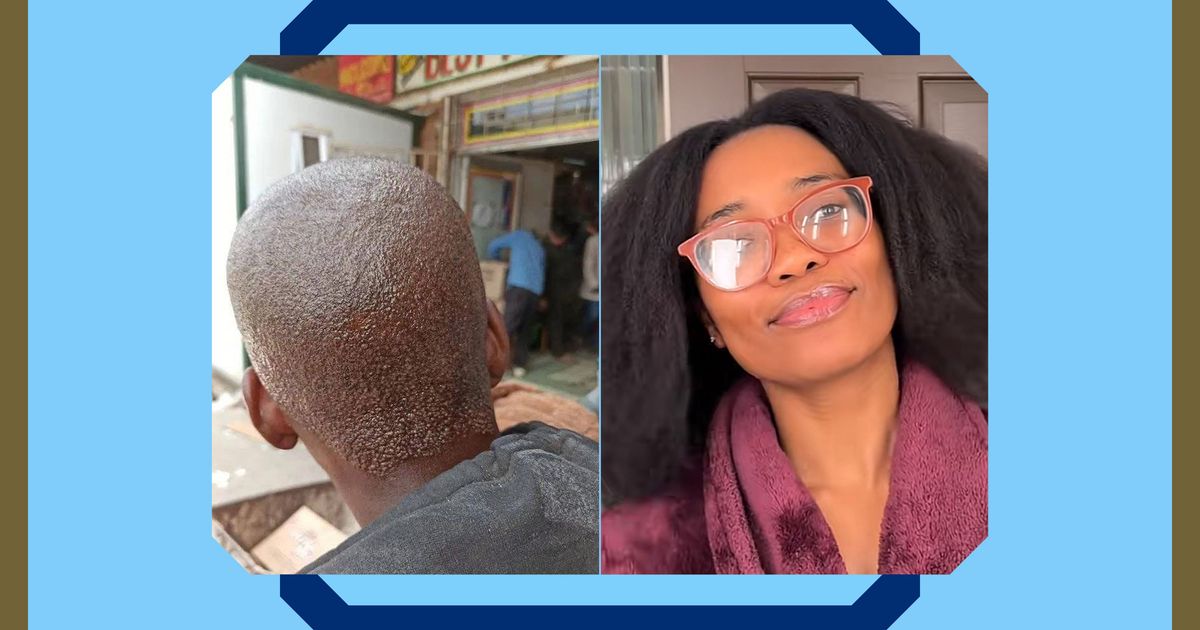
As a child, Thandie Gotobed had to shave her head down to a buzz about two times a month. Growing her 4C hair was intensely painful, even if it was just an inch. Everything irritated her scalp, including the sun, so she usually wore hats when outdoors. “My scalp would always feel a burning sensation,” Gotobed says. “Most times, I’d wish I could just rip it off and hold a fan to it.” As a Black woman, she started to view having hair as a luxury. She dreamed of the day her hair could grow out of her scalp and she wouldn’t be bullied for having little to no hair. Her experience stripped her confidence, but when she was growing up in Africa, no doctors could properly diagnose her condition. For the majority of her life, she just thought she was dealing with an excessively flaky scalp or a skin condition like eczema. “Doctors in Africa were just giving me ointments to treat a skin condition,” she says. Those and shaving her head bimonthly were what the doctors ordered.
As she entered high school, she started growing her hair again because it was the first time in her life she could have hair on her scalp without feeling pain, but she still had flare-ups occasionally. The flare-ups often felt like something was crawling on her; most times, she just wanted to hide, even after she had hair on her head. Not until 2023 did she move to the U.S., where she saw a dermatologist who finally diagnosed her with seborrheic dermatitis, a common inflammatory skin condition that often causes intense itching, a flakiness, or greasy patches on the scalp. “That’s what I needed all of my life,” she says. “A proper diagnosis, not a bunch of creams that just led me to a point of frustration and affected my confidence.” Finally, having a diagnosis still meant finding what worked to properly treat her condition. Here, Gotobed’s journey to healing her scalp.
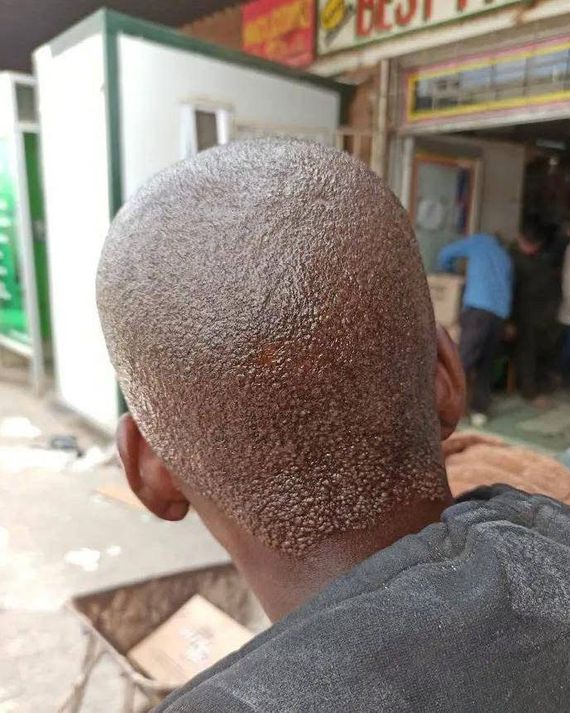
Gotobed’s scalp when she was shaving her head bimonthly.
Photo: Courtesy of the Subject
Her doctors in Africa could not properly diagnose her, so she had been using products they prescribed when she was an infant. Doctors recommended using Exederm Flare Control Cream, an anti-itch cream with 1 percent hydrocortisone, a topical ingredient often prescribed to patients with eczema. She was also prescribed MG217, a medicated ointment that provides relief to the scalp and targets excess dandruff. Lastly, she used Sulfur 8, a medicated anti-dandruff scalp-therapy shampoo and conditioning system.
Verdict: Everything offered temporary relief.
Price: Covered by health providers.
Head & Shoulders was the classic shampoo and conditioner duo to target dandruff; Gotobed knew that, but she was still exhausting all her options. When the prescribed creams and medicated products didn’t do what they promised, she listened to doctors and turned to the clinical Head & Shoulders shampoo and conditioner, formulated at maximum strength to treat excessive damage and conditions like seborrheic dermatitis.
Verdict: It worked until it didn’t. She would think she’d found a cure, but six months later her flare-ups would be back.
Price: $30
When over-the-counter products or shampoos that promised to tackle the problem didn’t work, Gotobed and her mom started researching home remedies. Peppermint oil is one she remembers vividly. It’s said to soothe irritation on the scalp and reduce dandruff, but it had the reverse effect on her. The oil would flare up her scalp so much that it would bleed.
The home remedies didn’t stop there. Her family had beehives and used the pure honey to soothe her scalp, they washed her hair with rooibos tea, tried to clarify her scalp with apple-cider vinegar, eliminated irritation with aloe vera, and even tried Jeyes Fluid to try to disinfect her scalp. They used car engine oil to see if the greasy substance could seal moisture into her scalp and let her breathe a bit. She exhausted all her home-remedy options.
Verdict: Some did work, like the aloe vera she kept in her routine, while others, like the Jeyes Fluid, probably did more damage than good to her scalp, reversing any signs of progress.
Price: A few hundred dollars. Prices varied depending on the product.
When she moved to the U.S. and found a dermatologist who gave her the correct diagnosis, they put her on prescribed shampoos … again. This time, one with 2 percent ketoconazole, a topical anti-fungal that stops its growth to soothe irritation and relieve itching. They also recommended using Nizoral’s anti-dandruff shampoo with 2 percent ketoconazole.
Verdict: They would soothe her hair in the moment, but her pain and discomfort would go right back to how it was. Nizoral shampoo significantly dried out her scalp and her hair, so she immediately stopped using it.
Price: $30
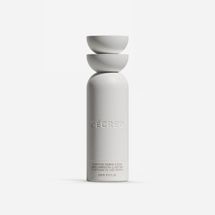
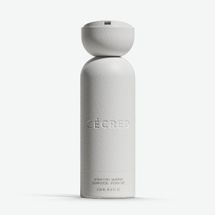
Like most people, Gotobed is really skeptical about celebrity-funded beauty brands. She had heard reviews of Cécred, Beyoncé’s hair-care line, but was a bit apprehensive about spending her money on it so she asked for it during the holidays in 2024. She saw a difference the very first time she used its clarifying shampoo and moisturizing shampoo. The first thing she noticed was her curls looked more defined than ever; then she noticed she hadn’t had any flare-ups and Cécred was the only new introduction to her routine: “It was the middle of winter, the season that usually triggers my scalp the most, and it hadn’t been triggered. It wasn’t making sense to me because I never experienced a normal winter.” She now uses it weekly to maintain the healthiest scalp possible.
Want to be emailed about sales and other updates to your saved products?
Success! You’ll get an email when something you’ve saved goes on sale.
Yes
Want to be emailed about sales and other updates to your saved products?
Success! You’ll get an email when something you’ve saved goes on sale.
Yes
Verdict: She no longer has the burning sensation, she doesn’t scratch her head as much as she used to, and there aren’t scabs on her scalp anymore. “This is pretty much the cleanest my scalp has ever been,” she says. “I wouldn’t say Cécred alone healed me, but it worked ten times better than anything else I’ve used.”
Price: $71/month to restock bottles

Gotobed’s present-day hair.
Photo: Courtesy of the Subject
Gotobed consistently uses Cécred’s shampoos, but she also credits her healed, clean scalp to home remedies like soothing aloe vera. She’s also careful about what she puts into her body to control inflammation. Her diet contains minimal gluten, sugar, and processed foods. She also tries to control her stress levels since stress can trigger flare-ups. It has been a little over a year since Cécred entered her routine, and her life (and scalp) has never been the same.
Stay in touch.
Get the Cut newsletter delivered daily
Vox Media, LLC Terms and Privacy Notice