
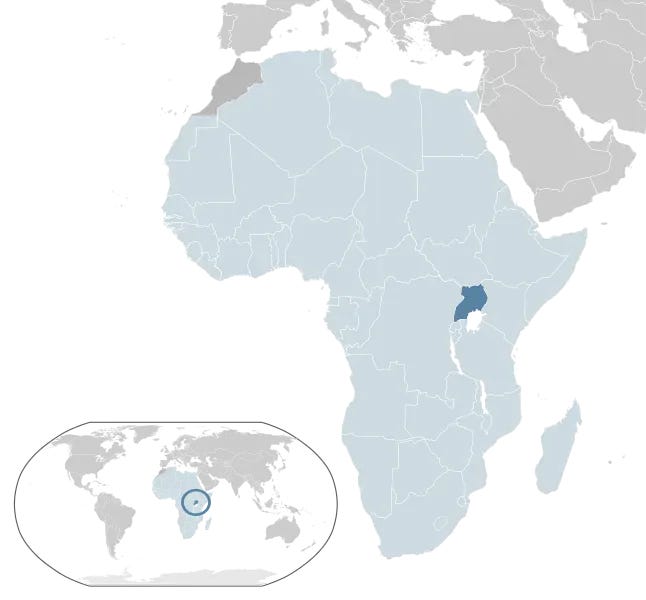
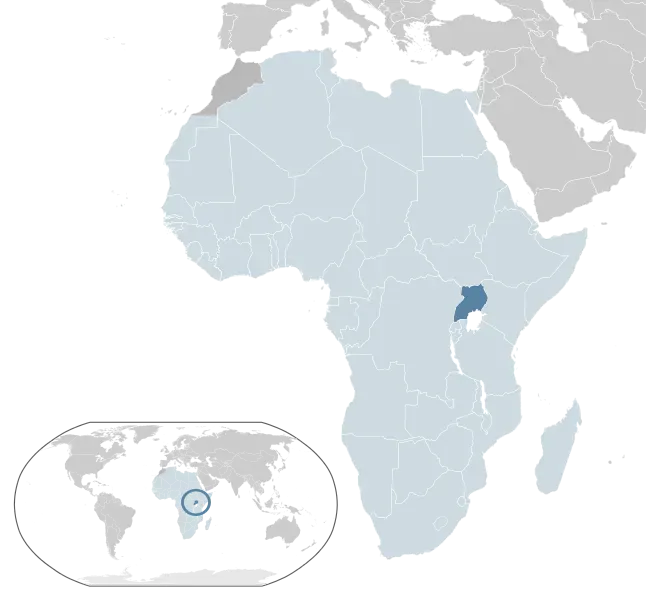
The Uganda Ministry of Health reported an Crimean Congo Hemorrhagic fever (CCHF) outbreak in Kyankwanzi district, central Uganda on February 11.
The index case is a 21-year-old male nurse who developed headache, fever, loss of appetite and malaise in mid-January.
This progressed into non-bloody diarrhea, vomiting, joint pain, conjuctivitis, chest pain, jaundice and bleeding from the nose and gums.
The Uganda Virus Research Institute confirmed the CCHF by PCR.
This is the first CCHF case in Uganda in 2026.
Crimean-Congo hemorrhagic fever is a widespread disease caused by a tick-borne virus (Nairovirus) of the Bunyaviridae family. The CCHF virus causes severe viral hemorrhagic fever outbreaks, with a case fatality rate of 10–40%.
Animals become infected by the bite of infected ticks and the virus remains in their bloodstream for about one week after infection, allowing the tick-animal-tick cycle to continue when another tick bites. Although a number of tick genera are capable of becoming infected with CCHF virus, ticks of the genus Hyalomma are the principal vector.
The CCHF virus is transmitted to people either by tick bites or through contact with infected animal blood or tissues during and immediately after slaughter. The majority of cases have occurred in people involved in the livestock industry, such as agricultural workers, slaughterhouse workers and veterinarians. Human-to-human transmission is possible.
In 2025, 17 CCHF cases (11 confirmed) and two deaths were reported in 10 districts.
Related news:
Uganda: Anthrax outbreak in Lyantonde District results in 4 deaths
Chikungunya outbreak in Seychelles prompts travel warning
Rift Valley fever outbreak in Mauritania appears to be under control