
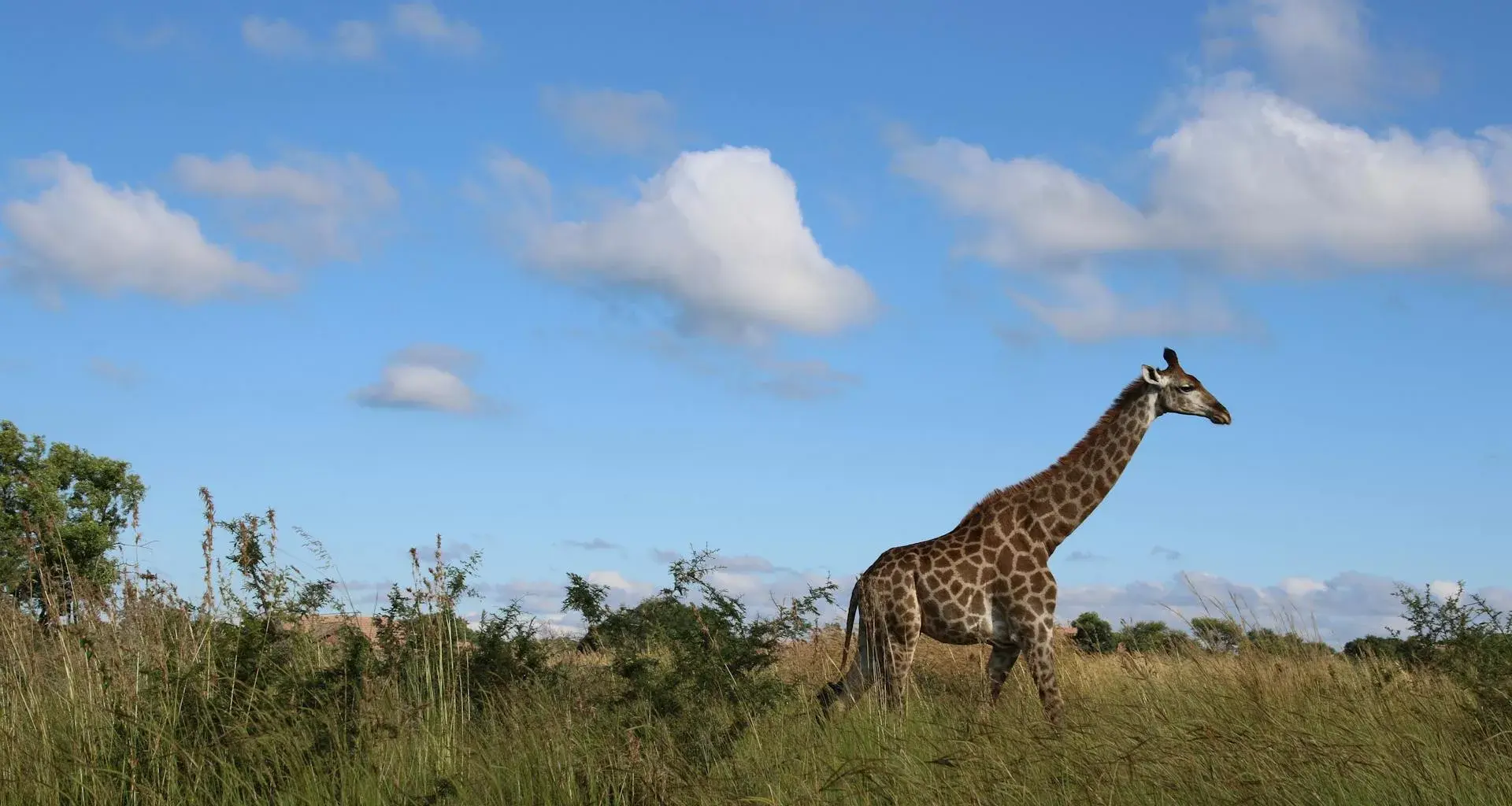
For many travellers, safari is defined by early morning drives and the thrill of spotting the Big Five. But some of the most memorable parts of a safari happen when the engine is off and the checklist is put away, writes Zoë Erasmus.
Magda Ehlers / Pexels
Across Africa, lodges and reserves are creating space for slower, more grounded experiences that unfold far from the game vehicle. These are the moments that tend to linger long after the trip ends.
Walking the bush, one track at a time
There is a different kind of awareness that comes with stepping out on foot. On guided walks in places like Kruger National Park or Sabi Sand Game Reserve, the focus shifts from chasing sightings to reading the landscape. You notice the direction of the wind, the shape of tracks in the sand, the smell of crushed wild sage underfoot.
Armed guides and trackers interpret dung, feathers, alarm calls and broken branches. The pace is slower, but the learning is deeper. You begin to understand how ecosystems function rather than just who is at the top of the food chain. It is immersive in a way that a vehicle cannot be.
Coffee stops that turn into conversations
Mid-drive coffee breaks are often treated as a quick stretch-and-snack stop. But in practice, they can become something more meaningful. Standing in an open clearing with enamel mugs in hand, guests talk to guides about land management, anti-poaching efforts and the complexities of conservation funding.
In reserves bordering Okavango Delta or Serengeti National Park, these conversations often expand to include migration patterns, water levels and community partnerships. The safari becomes less about spectacle and more about systems. Those exchanges often reframe how travellers think about wildlife tourism as a whole.
Afternoons spent watching a waterhole
Not every wildlife encounter requires movement. Some lodges are designed around waterholes visible from the main deck or even private rooms. Instead of bouncing along dirt roads, you sit still and let the bush come to you.
At properties near Etosha National Park, for example, floodlit waterholes draw in elephants, rhino and antelope after dark. The absence of engine noise changes the atmosphere entirely. You hear hooves on hard earth, the low rumble of elephant communication, the splash of a thirsty herd stepping in.
Patience becomes the activity. Hours pass quietly. The experience feels less curated and more natural.
Evenings around the fire
The boma is often where the day settles into something reflective. Under open skies, with a fire crackling, stories come out. Guides share close calls and long careers in the bush. Guests trade impressions of sightings and surprises.
In parts of Maasai Mara or Hwange National Park, these evenings may include traditional dance or storytelling from local community members. When done respectfully and in collaboration with nearby villages, it offers context for the land beyond wildlife alone.
It is in these spaces that safari shifts from being an activity to being an exchange. Culture, conservation and tourism intersect around the same fire.
Stargazing without city light
Far from urban centres, African night skies feel expansive. After dinner, some lodges set up telescopes or simply roll out blankets on the deck. Guides point out constellations and share how they are used for navigation or seasonal timing.
In arid regions like those near Namib Desert, the clarity of the sky can be startling. The Milky Way becomes visible to the naked eye. Without vehicle headlights or city glow, the sense of scale is humbling.
This is safari stripped back to its most elemental form. No sightings list, no cameras clicking. Just sky, silence and perspective.
Time in camp
Safari camps are often destinations in themselves. Thoughtful design encourages guests to slow down between drives. That might mean reading on a shaded deck, watching birds from a plunge pool or joining a cooking demonstration with camp staff.
In concessions around South Luangwa National Park, camps frequently integrate local materials and employ nearby residents, creating a strong sense of place. Spending unstructured time in camp reveals the human side of safari operations. It is a reminder that behind every seamless game drive is a team of people maintaining vehicles, preparing meals and monitoring wildlife movements.
Why these moments matter
Game drives will likely always be the headline attraction. They deliver drama and proximity. But the quieter experiences shape how travellers remember a safari. Walking instead of driving. Listening instead of scanning. Sitting still instead of moving on to the next sighting.
These moments create a fuller understanding of where you are and who else shares the landscape. They shift safari from a pursuit to a participation. And often, it is away from the game vehicle that the bush feels most alive.