
Unlock the Editor’s Digest for free
Roula Khalaf, Editor of the FT, selects her favourite stories in this weekly newsletter.
More big US packaged food groups are resorting to price cuts in a bid to coax frugal consumers back to supermarket aisles after years of inflation.
PepsiCo, Kraft Heinz and General Mills are among the producers of grocery staples to have introduced or extended lower prices as sales volumes stagnate for their food brands.
The success of upstart brands, the growth of store brands, the effects of anti-obesity medicines and declining popularity of processed foods are factors weighing on sales.
Adding to their problems are consumers who are spending less in response to grocery prices that have risen 26 per cent in the past five years, according to the Bureau of Labor Statistics, along with new restrictions on US government food subsidies.
New efforts to lower prices were a recurring topic at a consumer industry conference this week where analysts quizzed chief executives and sampled their snacks.
“We are seeing many US packaged food companies lean on price cuts more aggressively with the hope of driving volume growth,” said Max Gumport, US packaged food analyst at BNP Paribas, who was among those at the Consumer Analyst Group of New York conference held in Florida.
Food companies unrelentingly raised prices in 2021 and 2022 amid shortfalls in raw materials and labour. Some have continued to do so as a way to offset the costs of inflation and US tariffs, Gumport said.

But others are taking the rare step of rolling back prices.
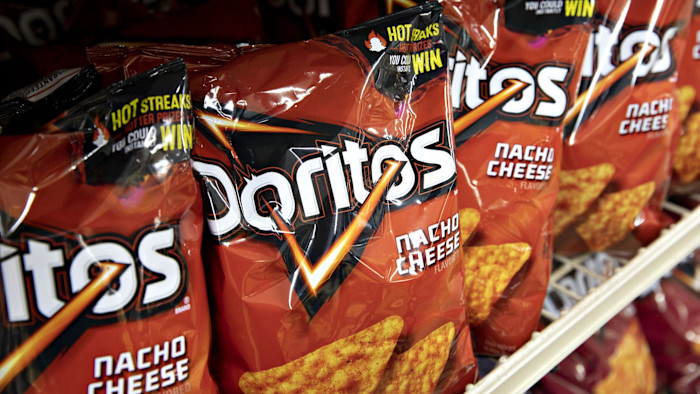
PepsiCo, whose foods business includes Doritos and Lay’s crisps, plans to make “surgical” price reductions of up to 15 per cent for certain snacks to restore sales volumes that declined by 2 per cent in North America last year.
Ramon Laguarta, PepsiCo chief executive, said that the “consumer clearly is telling us it was the right thing to do”. Retailers will be giving the company’s snacks more shelf space in the centre aisles and periphery of stores early this year to accommodate an expected sales boost, he said.
Kraft Heinz will cut prices for smaller package sizes in about 40 per cent of its US product portfolio, Andre Maciel, chief financial officer, told the conference.
Volumes have fallen for five years at the company known for its ketchup and macaroni and cheese, and new chief executive Steve Cahillane has acknowledged prices had become “unfriendly to consumers”.
General Mills, the maker of Cheerios breakfast cereal and Pillsbury dough, extended price cuts last year to cover two-thirds of its North American portfolio. Executives at the conference said the reductions were helping to kick-start volumes.
But lower prices are also causing pain: General Mills this week cut guidance for sales and profits in its fiscal year. Jeff Harmening, chief executive, said that without price cuts, sales would have been the same or slightly worse, but “volume would have been a lot worse”.
Lower prices for packaged foods would help cool off grocery inflation, but the category is only one part of the shopping basket.
Prices for ground beef were up 17 per cent year on year in January and coffee was up 18 per cent. Eggs — whose price rises became a refrain in Donald Trump’s 2024 campaign for the presidency — have declined by about a third.

The retailer Walmart, which sells a fifth of US groceries, reported grocery inflation of 0.6 per cent inside its stores during its latest quarter, well below the 2.1 per cent rise in the US food at home price index.
“We’re excited about some of the commentaries that we’ve heard from suppliers focusing on lower prices,” John David Rainey, Walmart’s chief financial officer, told analysts on Thursday.
Some companies are not explicitly reducing prices but are offering new package sizes, either small enough to fall below certain price levels or bulk packages sold in stores such as warehouse clubs.
Chocolate and biscuits seller Mondelez International will be selling more products in packages that cost less than $3.
The company in early 2025 aggressively offered promotions, but then backed off and let prices rise. “We don’t plan to increase prices any more,” Luca Zaramella, chief financial officer, told the conference.
Some food companies are going in the opposite direction. Spice and flavourings producer McCormick is now raising prices to offset tariff costs, even though it had previously cut them.
Analysts say companies’ moves to lower prices could force others to follow, but this could sabotage efforts to stoke volumes.
“If some leaders lower prices in a targeted way that restores volume to some of these categories, that’s good,” said Jonathan Feeney of Optimal Advisory, an industry consultancy.
“But if everyone lowers prices, it just drains the gross profit pool because lower prices don’t necessarily create more occasions or usage.”