

Health experts have shared subtle signs of cancer that can appear in the eyes, with 8 key symptoms everyone should know about
Around 60 people are diagnosed with eye cancer in Ireland every year
The UK’s NHS has revealed a subtle indicator of cancer that can be spotted in your eyes. Health professionals say there are 8 warning signs people should be aware of.
On its website, the NHS states: “Around 850 cases of eye cancer (ocular cancer) are diagnosed in the UK each year.”
In Ireland, around 60 people are diagnosed with eye cancer every year, according to Cancer.ie
Additionally, there are 4 distinct types of cancer that can affect the eyes, which include:
Eye melanomaSquamous cell carcinomaLymphomaRetinoblastoma – a childhood cancer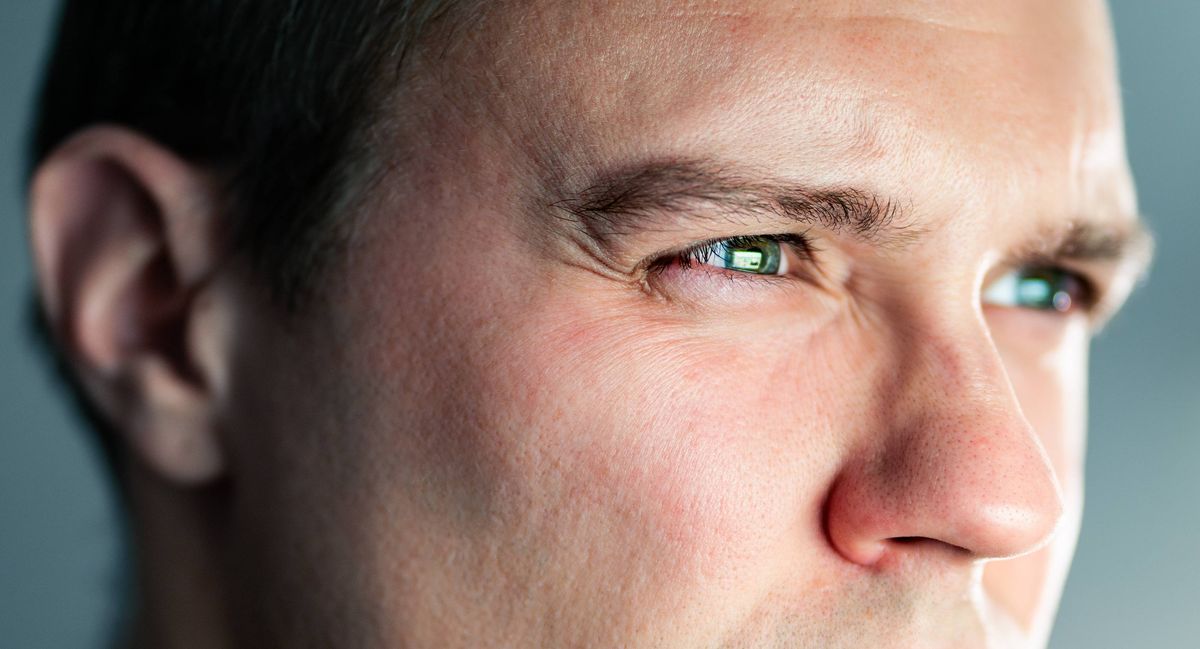
Do you squint your eyes often?(Image: Getty)
Medical experts warn that cancer can develop in the tissues around the eye or even spread to the eye from elsewhere in the body, such as the lungs or breasts, making it vital to recognise the warning signs.
What are the symptoms of eye cancer?
Eye cancer doesn’t always present obvious symptoms and may only be discovered during a routine eye examination, reports the Mirror. For example, ongoing eye irritation could be a warning sign that’s so subtle many people dismiss it as normal.
Symptoms of eye cancer can include:
shadows, flashes of light, or wiggly lines in your visionblurred visiona dark patch in your eye that’s getting biggerpartial or total loss of visionbulging of 1 eyea lump on your eyelid or in your eye that’s increasing in sizeeye irritation that is not going awaypain in or around your eye, although this is rare
The NHS advises: “These symptoms can also be caused by more minor eye conditions, so they’re not necessarily a sign of cancer. But it’s important to get the symptoms checked by a doctor as soon as possible.”
What is Melanoma of the eye?
Melanoma is a form of cancer that begins in pigment-producing cells known as melanocytes. Whilst it typically appears on the skin, it can also develop in the eye.

Seek medical help if you are worried about any eye changee(Image: Getty)
Eye melanoma most frequently affects the eyeball, and doctors may refer to it as uveal or choroidal melanoma depending on the specific area. It can also occur in the thin layer covering the front of the eye (the conjunctiva) or in the eyelid.
What causes eye melanoma?
Eye melanoma occurs when pigment-producing cells in the eye multiply and divide excessively. This results in the development of a mass of tissue known as a tumour.
The precise cause remains unclear, but certain factors may heighten the risk of it developing:
lighter eye colour – if you have blue, grey or green eyes, you have a higher risk of developing eye melanoma compared with people who have brown eyeswhite or pale skin – eye melanoma mostly affects white people and is more common in those with fair skinunusual moles – if you have irregularly shaped or unusually coloured moles, you’re more at risk of developing melanoma skin cancer and eye melanomause of sunbeds – there’s some evidence to suggest that exposing yourself to ultraviolet (UV) radiation from sunbeds, for example, can increase your risk of eye melanomaoverexposure to sunlight – this increases your risk of skin cancer, and may also be a risk factor for eye melanoma
“The risk of developing eye melanoma also increases with age, with most cases being diagnosed in people in their 50s”, the NHS says.

Do not brush these signs off as normal, especially if you are worried(Image: Getty)
How is eye cancer diagnosed?
If your GP or optician suspects a serious eye condition, you’ll be referred to an eye specialist, known as an ophthalmologist. Should eye melanoma be suspected, you’ll be sent to a specialist eye cancer centre for more comprehensive tests and treatment.
You’ll likely undergo various tests at the centre, including:
an eye examination – to look at the structures of your eyes in more detail and check for abnormalitiesan ultrasound scan of your eye – a small probe placed over your closed eye uses high-frequency sound waves to create an image of the inside of your eye; this allows your doctor to find out more about the position of the tumour and its sizea fluorescein angiogram – where photographs of the suspected cancer are taken using a special camera after dye has been injected into your bloodstream to highlight the tumour
Occasionally, a thin needle is used to extract a small sample of tumour cells, known as a biopsy. The genetic material of these cells is then examined to help determine the likelihood of the cancer spreading or returning.
What is the treatment for eye melanoma?
The primary treatments for eye melanoma are:
brachytherapy – tiny plates lined with radioactive material called plaques are inserted near the tumour and left in place for up to a week to kill the cancerous cellsexternal radiotherapy – a machine is used to carefully aim beams of radiation at the tumour to kill the cancerous cellssurgery to remove the tumour or part of the eye – this may be possible if the tumour is small and you still have some vision in your eyeremoval of the eye (enucleation) – this may be necessary if the tumour is large or you have lost your vision; the eye will eventually be replaced with an artificial eye that matches your other eyeimmunotherapy – medicine to help your immune system kill cancer, which you may have if you have a certain type of eye melanoma, or if the cancer has spread to other parts of your body
According to the NHS, chemotherapy is seldom used for eye melanoma. However, it “may be suitable for other types of eye cancer.”
How to prepare for your GP appointment
As outlined by Cancer Research UK, there are several things you might want to bear in mind before attending your GP appointment.
It recommends:
Write down your symptoms, including when they started, when they happen and how often you have them.Write down anything that makes them worse or better.If you would prefer to only see a male doctor or a female doctor, ask when you book the appointment – the receptionist will tell you if it is possible.Tell your GP if you are worried about cancer.Tell them if you have any family history of cancer.Have a friend or relative with you for support – they could also ask questions and take notes to help you remember what the GP says.Ask the GP to explain anything you don’t understand.Ask the GP to write things down for you if you think it might help – if you have a telephone or video appointment, ask for the information to be left at reception for you to pick up.
Want to see more of the stories you love from the Irish Mirror? Making us your preferred source on Google means you’ll get more of our exclusives, top stories and must-read content straight away. To add Irish Mirror as a preferred source, simply click here