
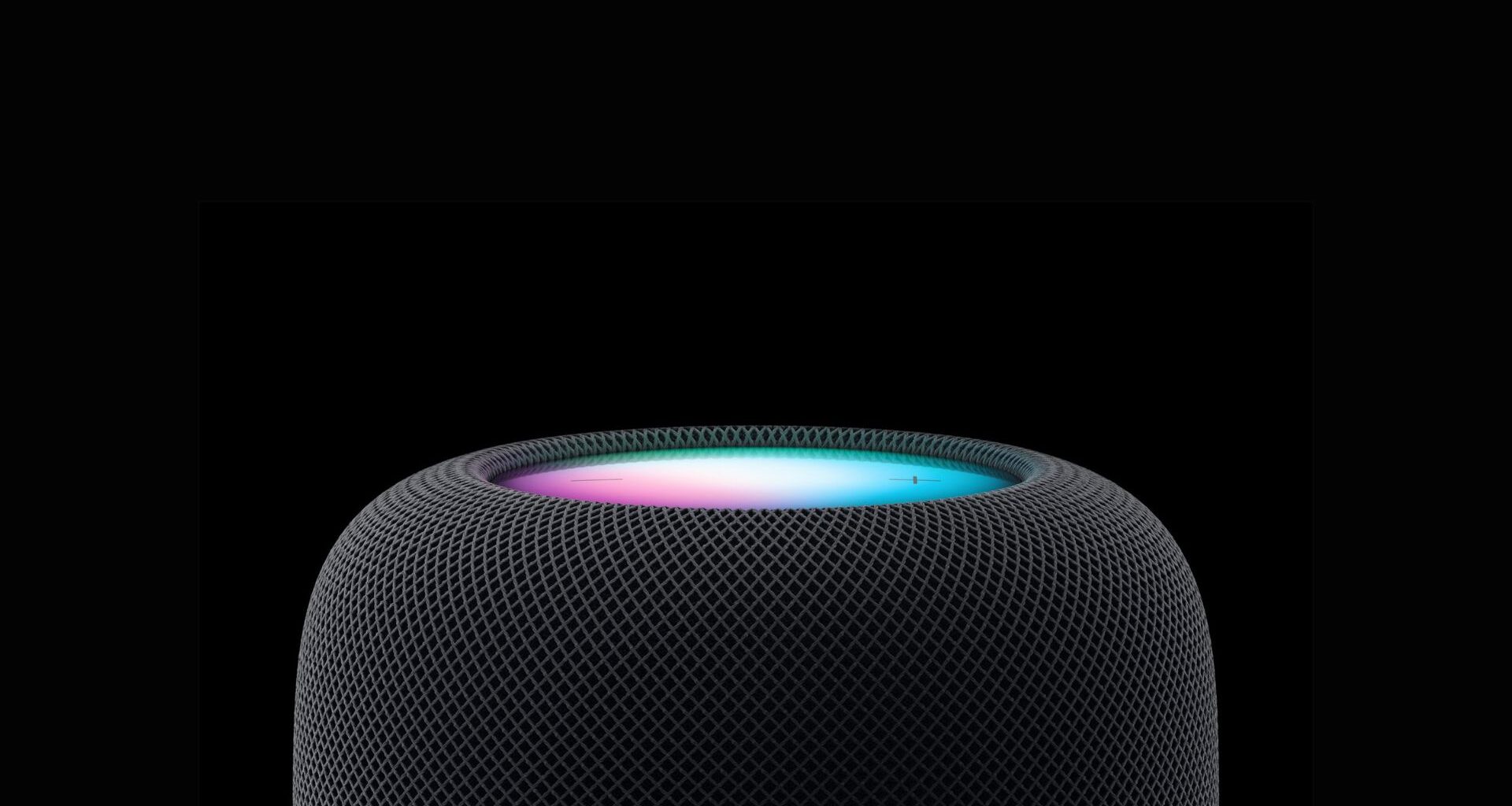
OpenAI is building its first consumer hardware product with Jony Ive’s design firm. The company plans to launch the device early next year. Reports suggest the first product will be a smart speaker, drawing comparisons to Apple’s HomePod. This move marks OpenAI’s shift from software to physical devices for the home.
Smart speaker with camera and facial recognition
Stephanie Palazzolo and Qianer Liu report in The Information that the first device will likely cost between $200 and $300. They write, “The smart speaker—the first device OpenAI will release—is likely to be priced between $200 and $300, according to two people with knowledge of it.”
They add that the speaker will include a camera that can observe its surroundings. According to the report, it will detect objects on a table and even listen to nearby conversations. The device will also allow users to buy products through facial recognition, similar to Apple’s Face ID.
The report states, “It will also allow people to buy things by identifying them with a facial recognition feature similar to Apple’s Face ID.” The sources say OpenAI aims to create a more interactive and personalized assistant for the home.
At the same time, the company is developing two other products. These include smart glasses and a smart lamp. OpenAI has not confirmed details, but development is active.
Stephanie Palazzolo and Qianer Liu also describe internal challenges between OpenAI and LoveFrom. Jony Ive continues to run LoveFrom as an independent design firm. LoveFrom creates device concepts, while OpenAI’s internal team handles engineering, software, and user research.
This division has caused tension. Some OpenAI staff say LoveFrom has been slow to revise designs and shares limited details about its process. The report also notes complications after OpenAI acquired Io, as teams work to integrate members into existing hardware operations.
Meanwhile, Apple is preparing its own AI-focused wearables and new HomePod products. Competition between OpenAI and Apple will intensify as both push deeper into AI-powered hardware. The coming year will show whether OpenAI can turn its software success into a strong hardware presence.