
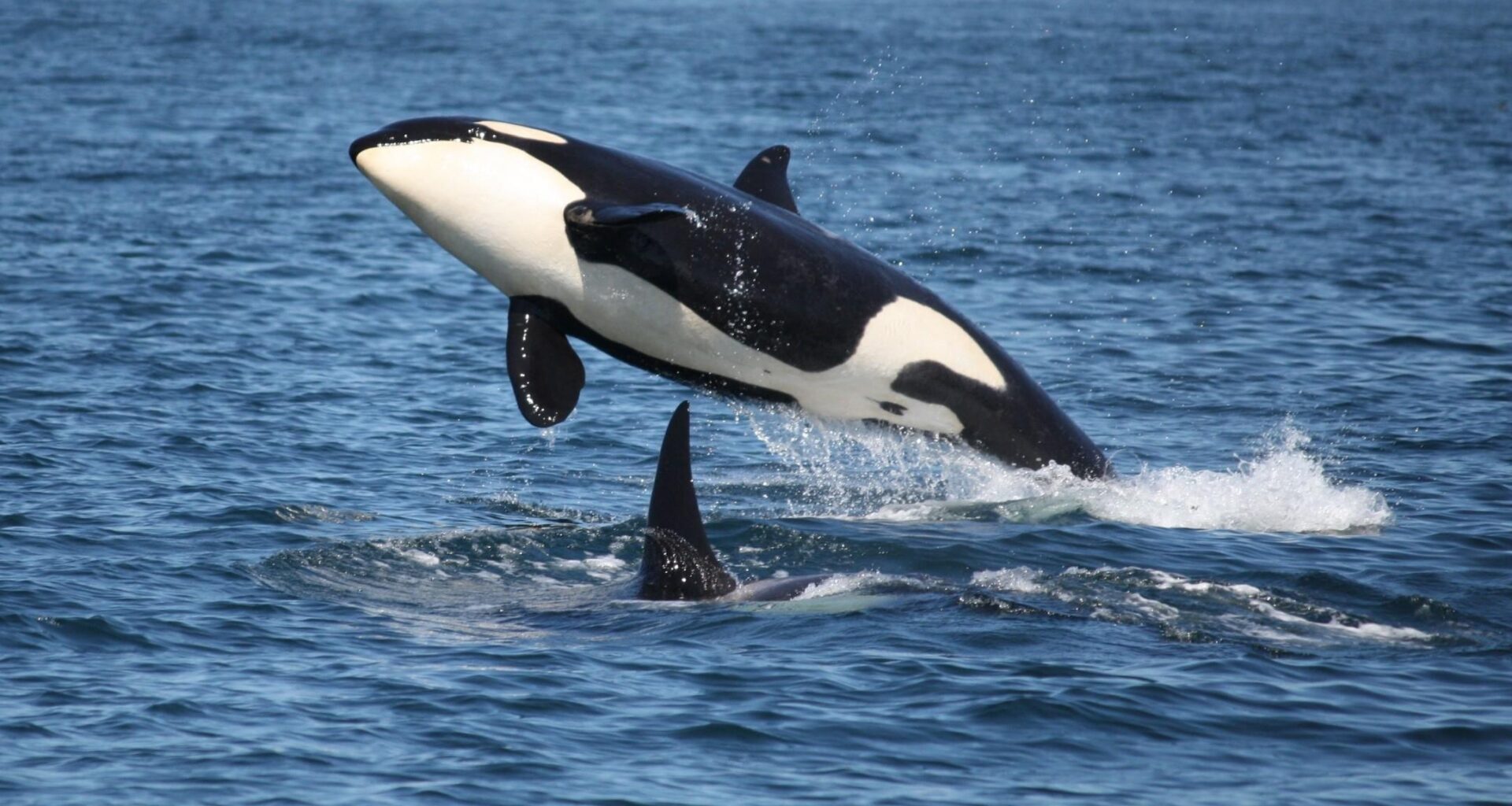
When killer whales attacked a great white shark near South Australia’s Neptune Islands in 2015, the story spread quickly.
After the attack, white sharks disappeared from the area for 69 days. Many people blamed fear of orcas for driving them away.

But new research shows that white sharks have vanished for even longer periods – without any killer whales around at all.
The finding challenges a viral predator narrative and suggests the story is more complicated than fear alone.
A decade of shark records
For more than a decade, researchers have tracked white sharks at the Neptune Islands using two powerful tools: daily cage-diving sighting logs and electronic tags attached to sharks.
By lining up those records year after year, Dr. Isabella Reeves at Flinders University found something surprising. The 69-day disappearance in 2015 was not the longest gap on record – or even the most unusual.
Several other multi-week and multi-month absences occurred with no documented killer whale encounters.
That raises a tougher question: if orcas are not always responsible, what else is driving these extended disappearances?
Famous shark attack by killer whales
On February 2, 2015, about six killer whales attacked a white shark just 66 feet from a cage-diving boat.
Three whales cornered the shark while others rammed it. The attack ended when an oil slick spread across the water – a sign the shark had likely been killed.
Afterward, white sharks stayed away from the area for 69 days. Observers quickly blamed fear of orcas, and the explanation seemed to fit similar reports from other parts of the world.
But proving that theory required more than a dramatic story. Long gaps can look striking on a calendar, yet sharks naturally move in and out of areas throughout the year.
Because white sharks often return to the same sites season after season – a behavior known as site fidelity – researchers compared each absence against normal movement patterns.
Instead of focusing on short breaks, they flagged only rare gaps that stretched far beyond typical comings and goings. This careful definition helped separate routine wandering from truly unusual disappearances.
How scientists tracked sharks
Many of the sharks carried tiny transmitters embedded in their muscle. These tags send coded sound pulses that underwater receivers detect – a method known as acoustic telemetry.
At the Neptune Islands, receivers logged each signal with a timestamp, creating a continuous record even when boats were not on the water.
However, silence from a receiver does not prove a shark is far away. It may simply have swum beyond listening range. That is where tourism logs became critical.
Cage-diving operators are required to keep daily shark sighting records. Crews often recognize individual sharks by scars and markings, allowing researchers to confirm whether specific animals truly left the area.
When scientists matched sighting logs with tag data, they uncovered blind spots. Stormy weather might prevent human sightings even while tagged sharks were still nearby.
Cross-checking both sources helped prevent simple observation gaps from turning into dramatic disappearances.
The longest shark disappearance
In 2024, researchers recorded the longest disappearance yet: 92 days with no tagged shark detections at the Neptune Islands. No killer whales were seen during that period. If orcas were not responsible, what was?
Sharks follow food. Changes in seal numbers, tuna movements, water temperature, or even distant carcasses can shift hunting opportunities. When prey moves, sharks move too.
That does not mean killer whales have no effect. In late October 2024, a killer whale sighting triggered a brief shark departure – but the gap lasted only five days.
Days later, a tagged shark likely died, and chemical signals released by decomposing tissue – known as necromones – may have triggered another short, four-day absence.
“Our results show that killer whales can absolutely trigger an immediate response from white sharks, but they are not always the whole story when it comes to long-term shark disappearances,” Reeves explained.
Sharks appear to weigh risk against reward. Sometimes they leave. Sometimes they return quickly.
The danger of simple narratives
Orca attacks make headlines, and a single dramatic encounter can shape public perception for years.
Similar patterns have been observed near California’s Farallon Islands, where killer whale visits coincided with temporary shark departures.
But when researchers rely only on sightings, it is easy to overestimate how long an area remains empty. Long-term data combining tags, sightings, and environmental context paint a more balanced picture.
Instead of searching for a single villain, scientists suggest tracking the entire food web – including seals, tuna, and ocean conditions – to better understand shark movement.
When viewed across more than a decade of records, white shark disappearances at the Neptune Islands appear less like panic and more like part of natural movement patterns.
The study is published in the journal Wildlife Research.
—–
Like what you read? Subscribe to our newsletter for engaging articles, exclusive content, and the latest updates.
Check us out on EarthSnap, a free app brought to you by Eric Ralls and Earth.com.
—–