

Wild swings in the valuations of companies caught up in the “AI scare” have created the most exciting investment opportunities since the pandemic, according to one of London’s top fund managers.
Alex Wright, who manages almost £6 billion of investors’ money for Fidelity International, revealed he was buying up some UK stocks caught up in the sell-off triggered by fears about the disruptive effect of artificial intelligence.
“AI-driven volatility is reshaping markets and creating one of the most exciting investment backdrops in recent years,” he said. “The last time it felt this opportunistic was during the pandemic.”
He argued that some of the sell-down was deserved, naming London Stock Exchange Group (LSEG), Relx and Experian as highly rated stocks that had suffered sharp falls recently. The drop in their prices was “a valid reaction” to the uncertainty generated by AI breakthroughs and merely reversed the very high ratings on which they had traded, he said.
However, he believed that other companies, including the wealth manager St James’s Place and the recruitment consultants PageGroup, Hays and SThree, had been wrongly marked down, creating bargain opportunities.
Wright manages the £4.3 billion Fidelity Special Situations Fund and the £1.5 billion Fidelity Special Values (FSV) investment trust, both popular investment products bought by retail investors as well as institutions. He is the successor to Anthony Bolton, Fidelity’s star stockpicker in the 1980s and 1990s. FSV has been the best performing UK investment trust in the All UK companies sector over one, five and ten years, producing a 222 per cent return since 2016.
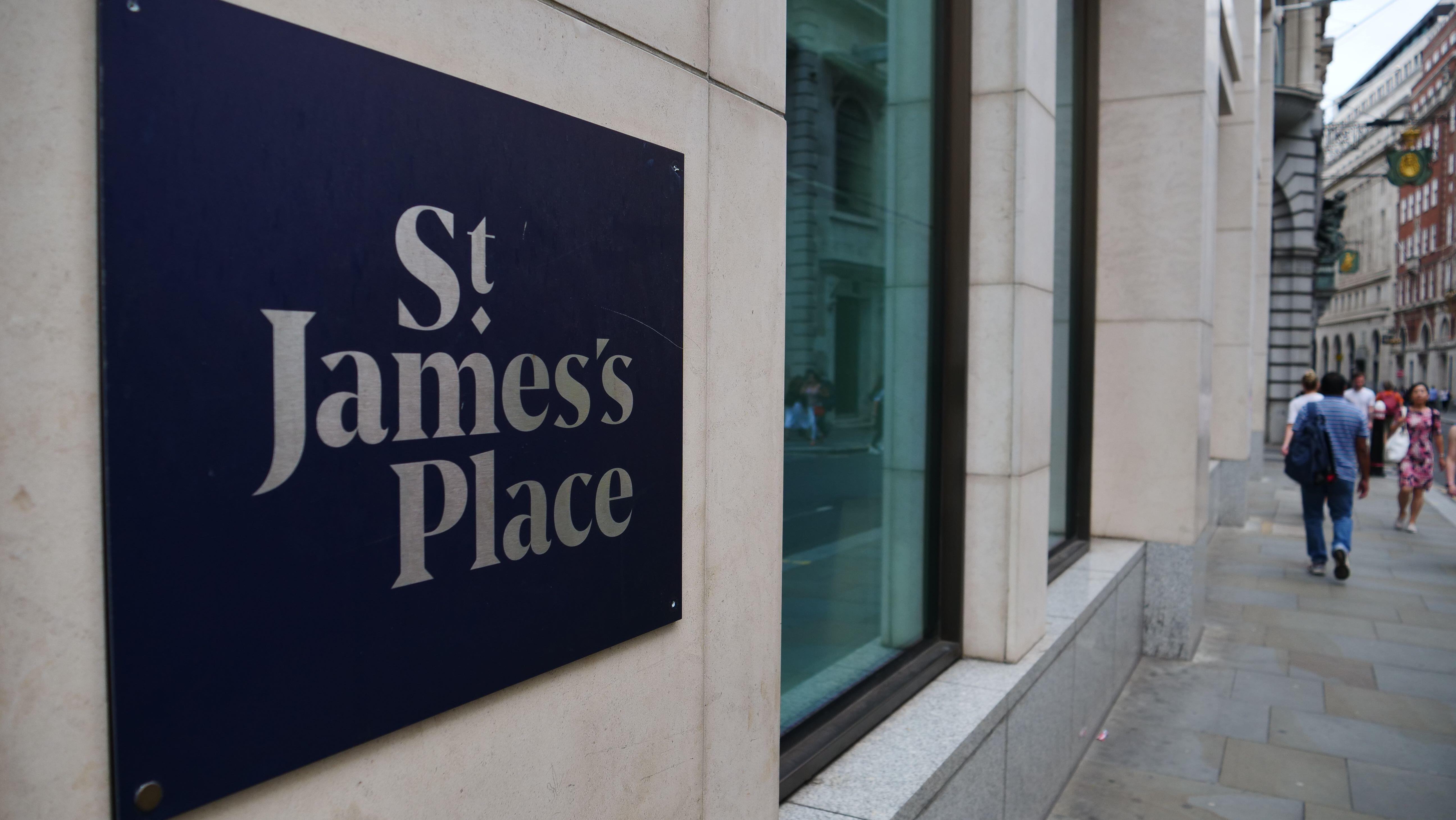
St James’s Place’s was an example of over-reaction in the market, according to Wright
ALAMY
“Markets have indiscriminately punished anything with even indirect AI exposure, often without clear evidence of structural impairment,” he said. That meant the stock market was “an attractive hunting ground for contrarian investment opportunities”.
While the FTSE 100 overall is up by more than 7 per cent this year, some individual stocks have been mauled. LSEG, which reports full-year results this week, is down by 11 per cent and the data group Relx is down by 23 per cent.
St James’s Place was a classic example of the over-reaction, Wright argued. The shares dropped by as much as 23 per cent in late January and early February as traders sold on concerns that new AI-driven services would break its business model.
“I think it’s completely wrong,” Wright said. “I don’t think AI is going to have any negative effect on SJP.” Customers liked the human element of its service and the threats from so-called “robo advice” had been around for years.
St James’s Place is also due to update investors this week. Other casualties including Jupiter Fund Management, WPP, Rightmove and Pearson are also publishing final results.
Recruitment consultants were also hit by the AI panic, with traders fearing it would both reduce the need for jobs generally but also disrupt their business models. But that narrative was not playing out, Wright said. “AI is being used the most in the US and that’s a market where they [recruiters] are seeing revenues grow.”
Since last year, Wright has accumulated stakes of about 10 per cent in PageGroup, Hays and SThree, continuing to buy into them this year. He sees them as classic cyclical stocks well placed for a rally as any economic pick-up takes hold.
A so-called value investor, Wright prefers unfashionable or lowly rated companies. His biggest holdings today are Standard Chartered, the marketing services group DCC, Lloyds Banking Group and the tobacco group BAT.

Wright said some of the biggest blue-chips in London were now starting to look “a bit pricey”
GETTY IMAGES
Highly rated stocks were much more vulnerable to long-term uncertainty, he said. “When you’re on a high multiple, you need to know what’s going to happen over more than ten years. You have to be quite certain that things aren’t going to change negatively. Whereas if you’re on a low multiple, things can change negatively and you’re still not going to lose a lot of money.”
He said some of the biggest blue-chips in London were now starting to look “a bit pricey” after a very strong run over the past year. He has been selling down some large company holdings, trimming his stakes in AstraZeneca, National Grid and Reckitt Benckiser and selling out completely from Rolls-Royce.
He said he could see value in UK property and housebuilders and has recently bought stakes in Unite, Derwent and Barratt Redrow. He has also bought into Frasers, the Sports Direct retailing group.