
The European Union should insist any limits put on the future size of Ukraine’s army in a peace deal would be matched by restrictions on Russian forces, an internal paper circulated by the union’s foreign affairs chief has proposed.
The progress of peace talks to end the grinding conflict has come back into political focus on the fourth anniversary of Russia’s full-scale invasion of Ukraine.
Direct talks between delegations from Russia and Ukraine are expected to take place again in a number of weeks, with Washington pushing for a settlement US president Donald Trump can sell as a major diplomatic victory.
European governments continue to rankle at being cut out of talks, given the terms of any truce could have significant implications for the entire Continent.
A draft working paper setting out suggested EU demands, seen by The Irish Times, said there should be “no blanket amnesty for war crimes” committed by Russian troops in any eventual peace deal.
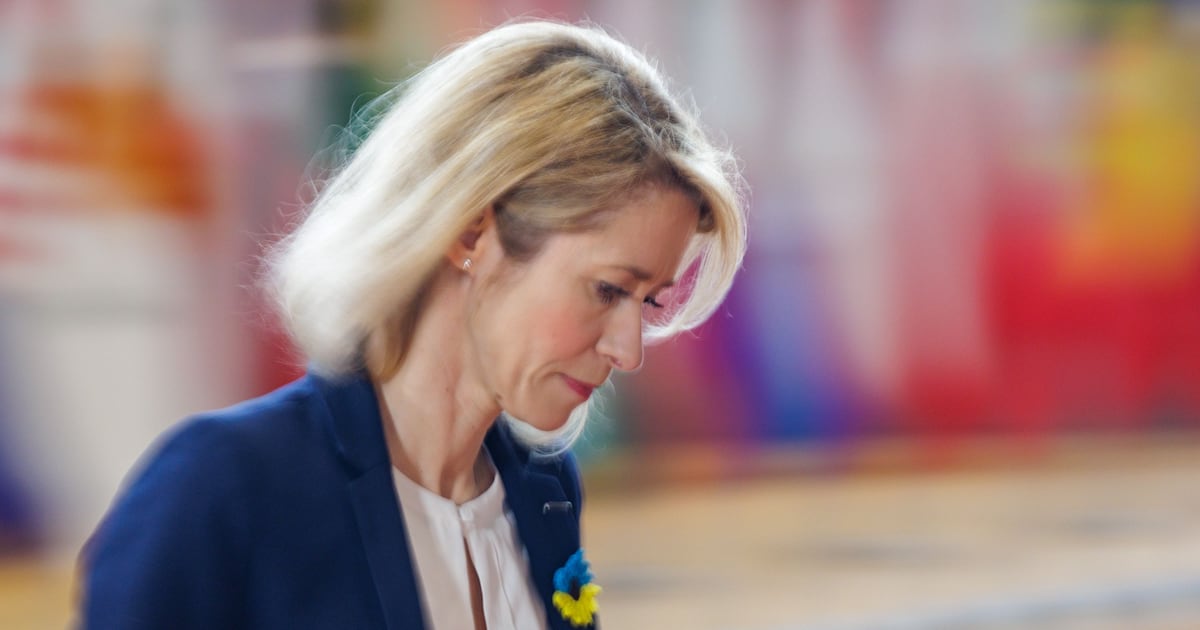
The internal EU document was circulated to foreign ministers in recent days by Kaja Kallas, the union’s representative on foreign affairs, who has been arguing for Europeans to have a greater input in the negotiations.
The paper suggests that Russian demands for Ukraine’s standing army to be restricted to a certain size in peacetime should be matched with limits on Russia’s army.
The document, intended as a starting point for further discussion between Brussels officials and national governments, does not necessarily represent the EU’s agreed position.
The terms of any settlement ending the four-year war would “determine the future of European security”, it said. The working paper said no lasting deal would be possible “without the EU at the negotiating table”.
[ European unity faces critical test as Ukraine war enters its fifth yearOpens in new window ]
Any Ukrainian territory seized by Moscow in the east should become a demilitarised zone, rather than be recognised as Russian land, the EU discussion paper said.
Russian financial assets frozen by economic sanctions inside the EU could finance a “compensation” scheme, with the state funds contributing towards Ukraine’s reconstruction after the fighting ends, the document said.
Speaking in Kyiv on Tuesday, Ukrainian president Volodymyr Zelenskiy praised those in Europe who had stood “on the right side of history” and assisted Ukraine over the past four years.
The Coalition of the Willing group of mostly European leaders reaffirmed their support for Ukraine, during a discussion over video link on Tuesday.
It is understood European Commission president Ursula von der Leyen told the private meeting that the EU would deliver a promised €90 billion loan to Ukraine, despite threats by Hungary’s far-right prime minister Viktor Orban to use veto powers to block the vital aid.
The meeting of European leaders discussed how the joint loan, intended to stop Kyiv running out of money in the coming months, should complement rather than replace direct contributions from national governments, according to one source briefed after the meeting.
[ Zelenskiy speaks from presidential bunker on Ukraine invasion anniversaryOpens in new window ]
Earlier, Zelenskiy repeated his calls for a date to be set for Ukraine’s entry into the EU, a key objective for Kyiv that has become a feature of peace talks.
European politicians and diplomats believe they will ultimately play a role in shaping any peace deal, given the majority of Russia’s sanctioned state assets are frozen inside European financial institutions, and the fact EU membership for Kyiv has become an important point in the US-led negotiations.
In a joint statement, French president Emmanuel Macron and UK prime minister Keir Starmer said Ukraine had their “full and sustained support”. The pair said Russia was paying a “grim toll” for minimal gains it was making on the battlefield.