
“Do it slowly, do it right but let’s get on with it,” she said. “We have been stagnating at these very low recycling rates for far too long.”
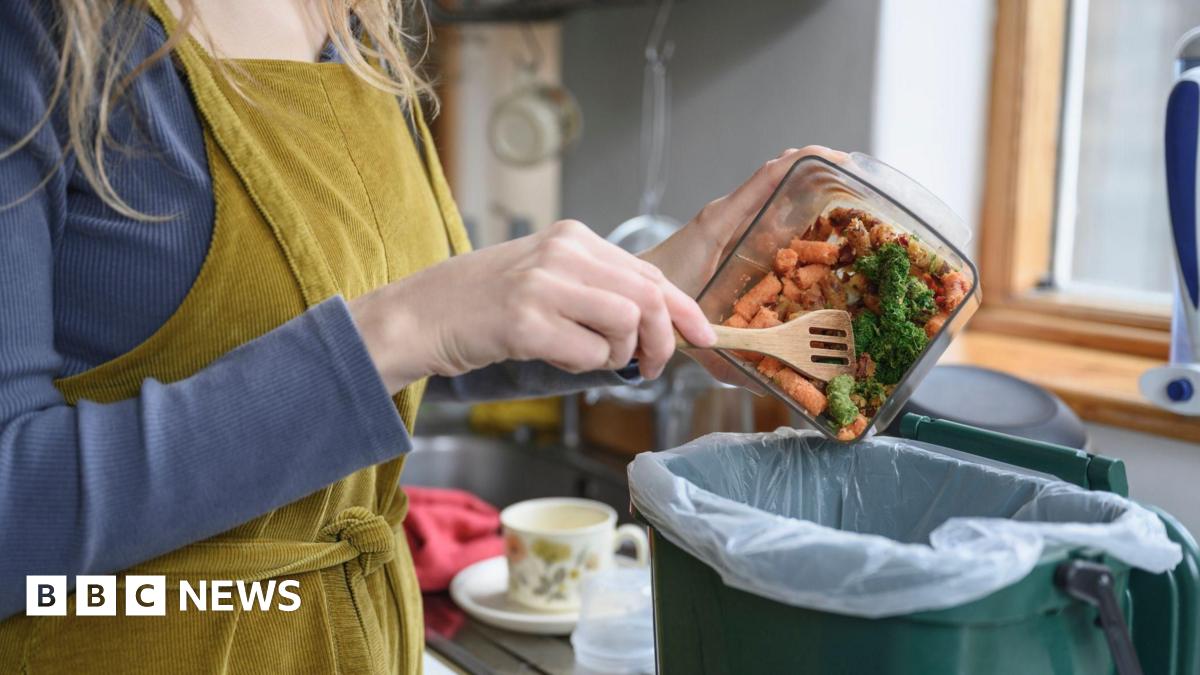
Food waste recycled separately can be used to produce electricity, reducing the amount of waste rotting in landfill and releasing greenhouse gases. It is also hoped it will encourage people to reduce how much food they waste in the first place.
Roughly half of councils were not collecting food waste weekly before the creation of the Simpler Recycling legislation, while some have had the collections in place for more than a decade.
It meant not all councils needed to make changes to meet the new rules, but the BBC approached each local authority responsible for waste collection to find out what was happening in their area.
At least 56 of those that will miss the deadline are aiming to launch their service for all households by the end of 2026. Nine could not give an approximate start date.
A further 31 councils have secured agreements allowing for a later start date for their weekly food collections, so will not be viewed as missing the deadline.
When those councils are factored in, more than a third of councils will still not be collecting food waste from all homes by March.