
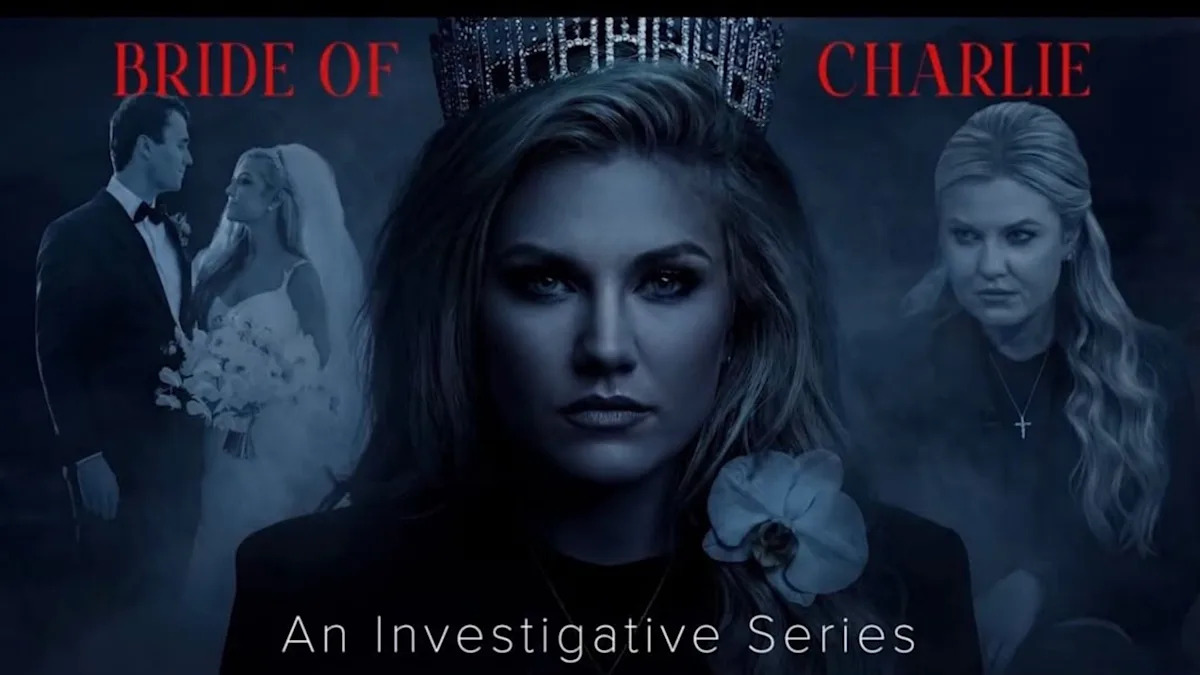
When Candace Owens unveiled the trailer for her new documentary-style series, “Bride of Charlie,” backlash followed almost immediately. I can’t say I was shocked. Owens has built a reputation on producing provocative content and asking difficult questions. A project like this fits squarely within that pattern.
What gave me pause, though, wasn’t just the controversy. It was the subject matter — and the sensitivity surrounding it.
The people at the center
At the heart of this series is Erika Kirk, the widow of Charlie Kirk, who was assassinated in 2025 during a public event. In the months since his death, she has stepped into a more visible leadership role connected to her late husband’s work.
As I see it, this story revolves around three figures.

Candace Owens recently released the trailer for her documentary-style series, “Bride of Charlie,” prompting swift public reaction.
(Kazeemsb/Instagram)
There is Candace Owens, a media personality known for independent commentary and investigative-style projects. There is Erika Kirk, a widow navigating unimaginable personal loss while operating in a very public role. And then there is the audience — people like me — trying to decide whether this documentary serves a necessary purpose or risks crossing a line.
Investigation or intrusion
Watching the trailer, I kept asking myself a simple question: when does investigation turn into intrusion?
The series appears to examine the aftermath of Charlie Kirk’s assassination and the leadership changes that followed. On its face, that is not unusual. Documentaries frequently explore the ripple effects of tragedy, especially when organizations and influence are involved.
But proximity matters. When someone is widely perceived as still grieving, any investigative framing can feel intensely personal — even if the stated focus is institutional. Timing matters. Tone matters. Context matters. Just because something can be examined does not automatically answer how it should be examined.
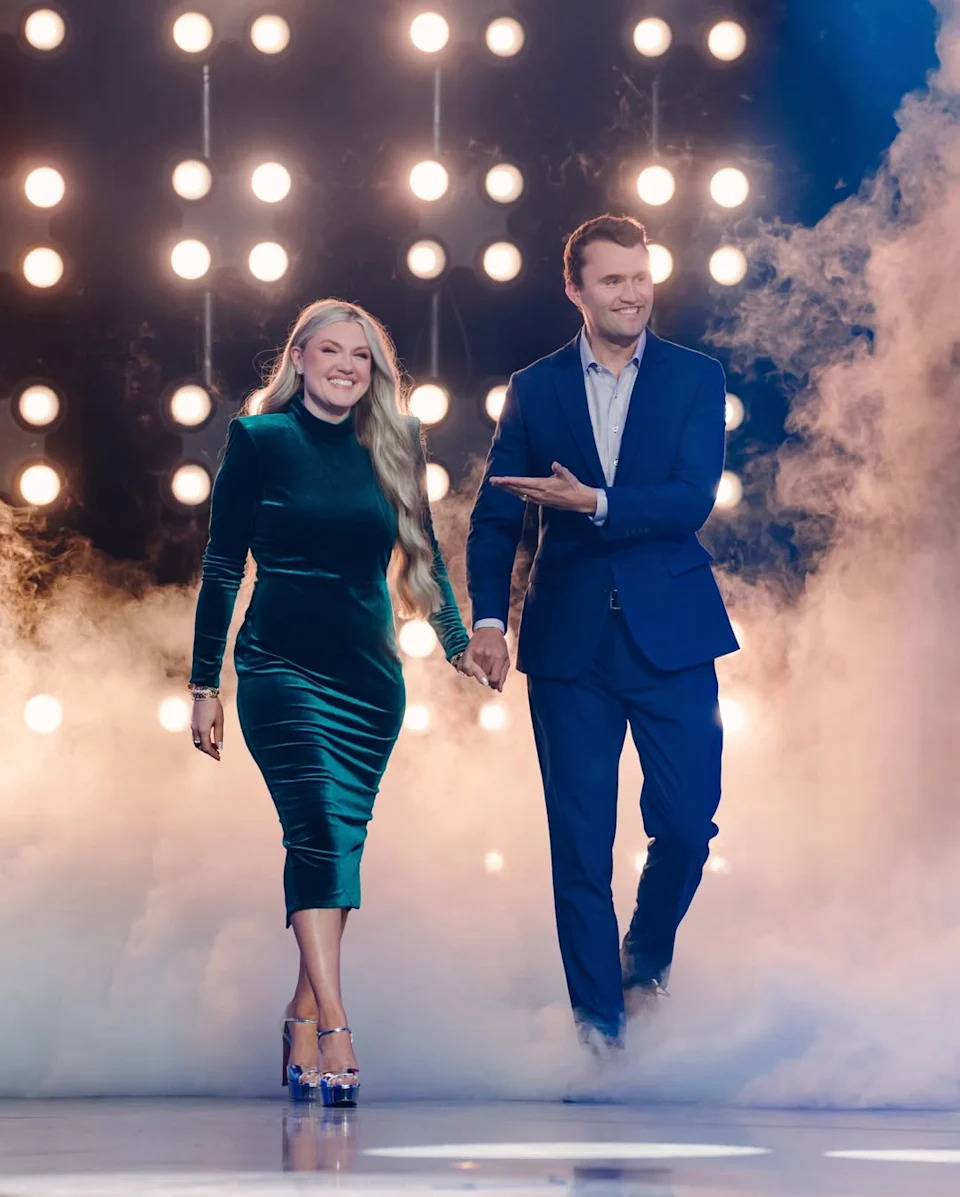
Erika Kirk, widow of Charlie Kirk, is the focus of Owens’ new documentary project.
(Turning Point USA/Instagram)The reaction
The reaction to the trailer has been sharply divided — and that division did not happen in a vacuum.
Candace Owens and Erika Kirk have previously had a very public and tense dispute. Accusations and sharp exchanges have played out openly, adding an already personal layer to what might otherwise be framed as a straightforward documentary project.
As I think about this new series, I can’t ignore that history. When two public figures have clashed in the past, any investigative project centered on one of them is inevitably viewed through that lens. Even if the stated goal is fact-finding, prior conflict can shape perception. It complicates everything.
The media moment we’re in
We are living in a time when commentators are not just offering opinions — they are producing full documentary series and distributing them directly to audiences. That independence allows for bold storytelling. It also means fewer traditional editorial filters.
As a viewer, I recognize both the opportunity and the risk in that model. When the subject of a project is tied to a violent event and a surviving spouse, the responsibility attached to the storytelling feels heavier. Controversy may generate clicks. But credibility is built more slowly.
Where I land
I believe investigative storytelling has value. Major public events deserve thoughtful examination. But execution determines everything.
A trailer is meant to spark curiosity, not deliver controversy. What will ultimately matter to me is whether the series relies on verifiable facts, clearly separates evidence from interpretation, and avoids sensational framing.
If it does, it could contribute meaningfully to understanding a difficult chapter. If it leans into spectacle, the backlash will likely continue.
In an era when anyone can release a documentary with a click, I think the real standard shouldn’t just be what is possible. It should be what is responsible — and why.