
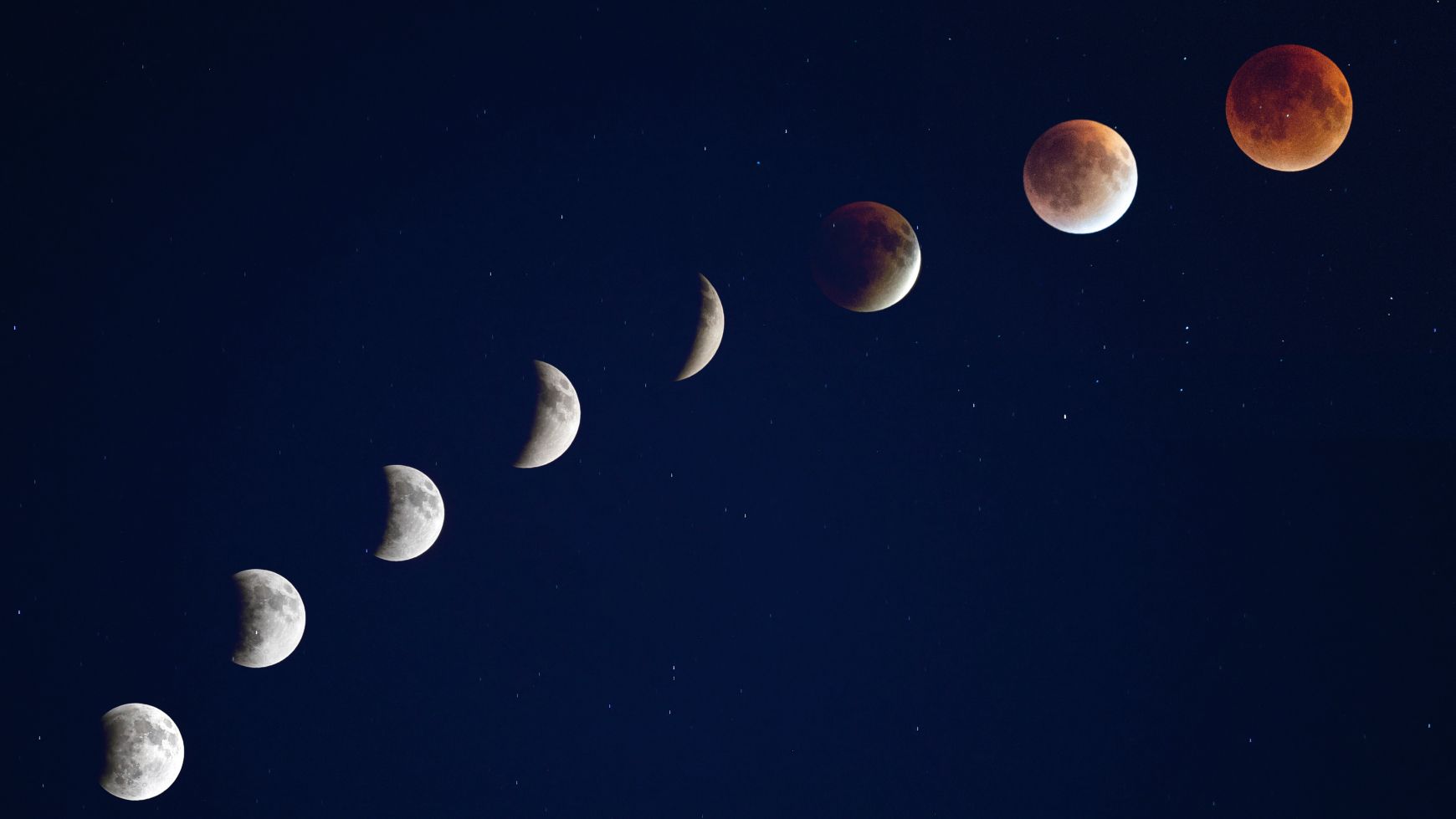
On March 3, billions of people across the Americas, Asia and Oceania will witness a blood moon total lunar eclipse as the sun, Earth and moon align, laying bare the orbital mechanics of the solar system in spectacular fashion.
The eclipse occurs as Earth passes between the sun and moon during the full “Worm Moon” phase, casting the lunar disk into shadow while also bathing it in red light that has been filtered through our planet’s dense atmosphere during totality.
You may like
Each eclipse occurs at the same universal time for everyone, but the local time at which it unfolds — and your ability to see each phase — is dictated by your location on Earth. Check Time and Date’s eclipse tracker for precise timings for your locale, along with details on which phase will be visible to you.
Penumbral phase
The eclipse kicks off at 3:44 a.m. EST (0833 GMT), as the moon begins to slip into Earth’s outer shadow, or penumbra. The subtle darkening that creeps across the lunar surface during this phase is incredibly easy to miss, becoming more pronounced as this early stage draws to a close.
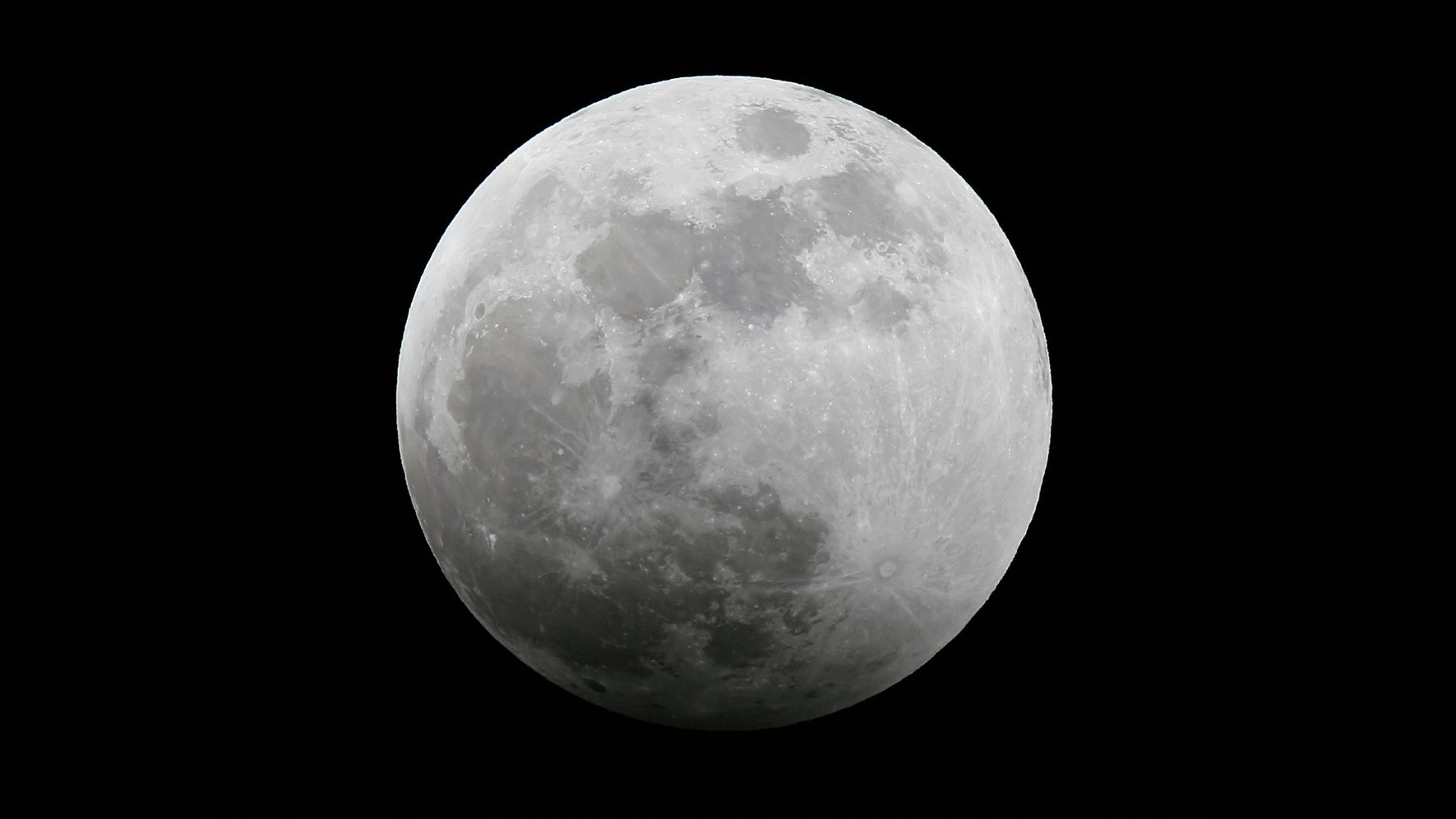
The moon pictured during the penumbral phase of a total lunar eclipse. (Image credit: Photo by SSPL/Getty Images)Partial phase
The curved silhouette of Earth’s inner shadow will become visible, eating into the lunar disk at 4:50 a.m. EST (0950 GMT), marking the beginning of the partial phase of the eclipse. The umbral shadow will appear black during the first half hour, before transitioning to a brown and later deep red hue, in the moments before totality, as our planet’s shadow engulfs the last sliver of the moon’s exposed crescent.
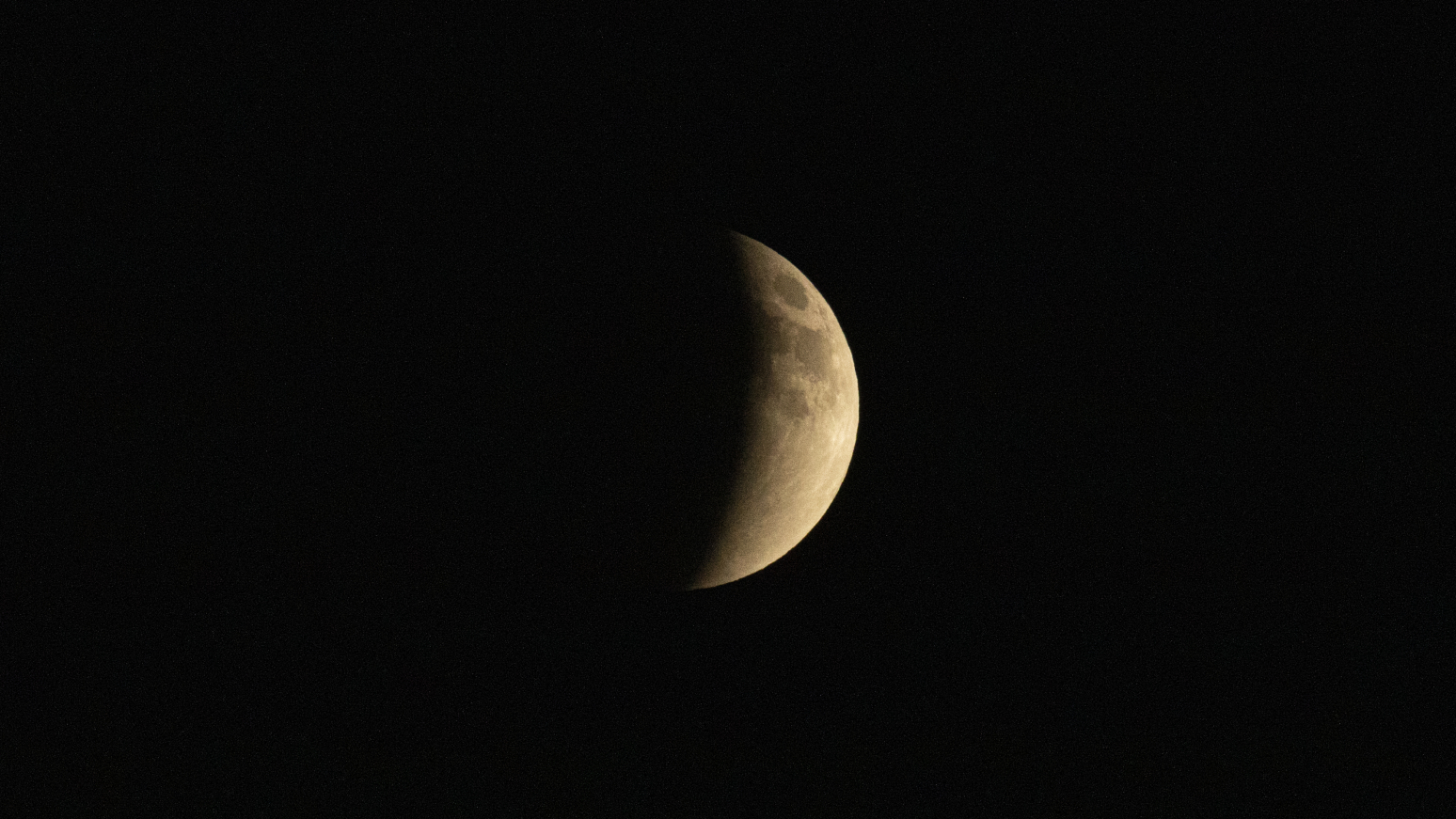
Earth’s shadow encroaches on the moon during a lunar eclipse. (Image credit: Photo by Necmettin Karaca/Anadolu via Getty Images)
Skywatchers in the eastern U.S. in cities like New York will witness the entirety of the partial phase along with the very beginning of totality before the moon slips below the western horizon around surise on March. 3.
Full eclipse
The moon will sink entirely within Earth’s umbral shadow at 6:04 a.m. EST (1104 GMT), marking the beginning of totality and the blood moon phase of the eclipse.
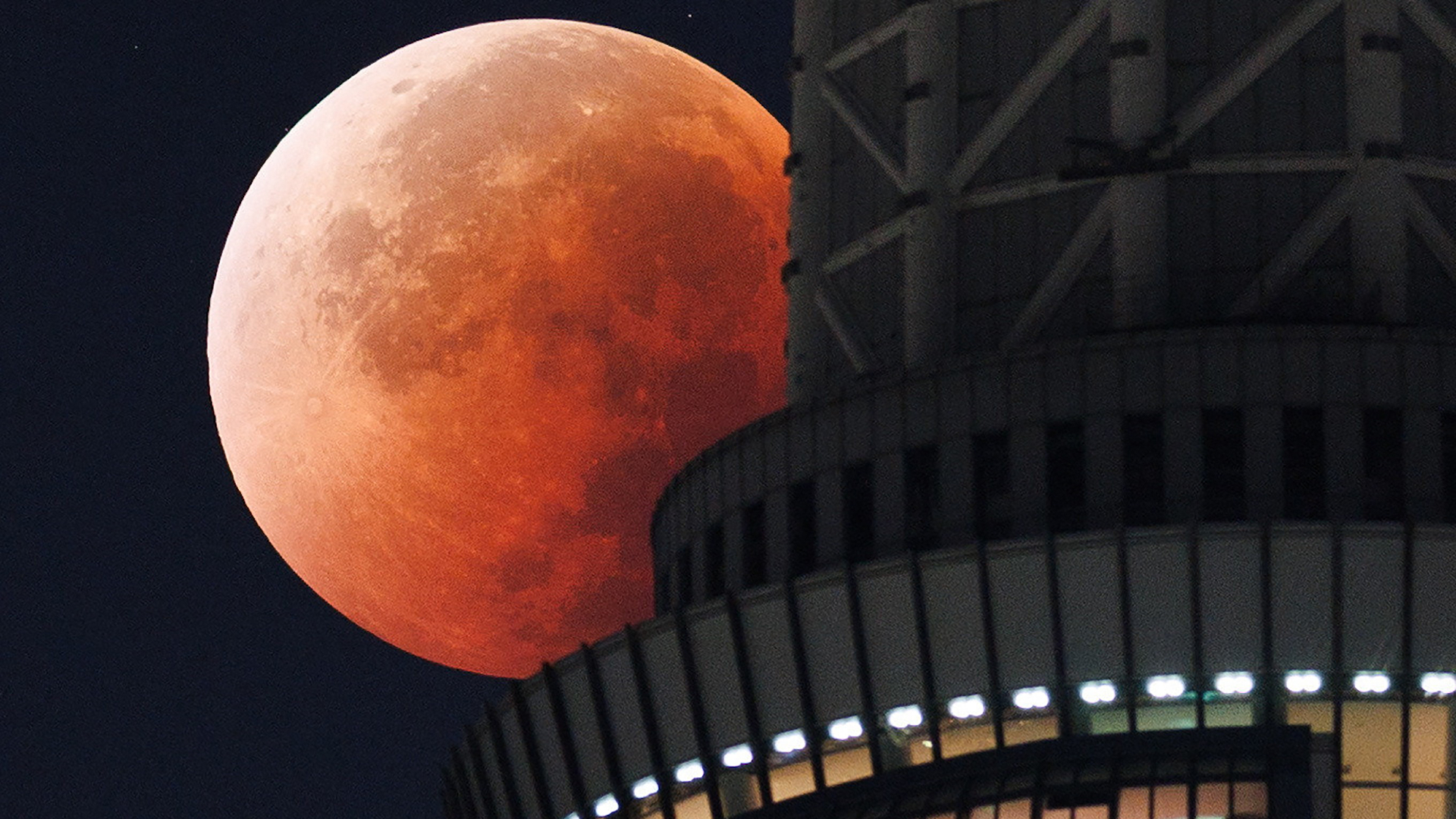
A blood moon shines near Japan’s Skytree tower in Tokyo. (Image credit: STR/JIJI Press/AFP via Getty Images)
This climactic period will last 58 minutes, during which the lunar disk will adopt a dramatic red hue, as a phenomenon called Rayleigh scattering filters out the shorter blue wavelengths of the sun’s light, while allowing longer red ones to fall on the lunar surface.
Eclipse maximum
The eclipse will reach a crescendo at 6:33 a.m. EST (1133 GMT), when the moon will pass closest to the center of Earth’s shadow — though it will remain relatively close to its edge — during a point known as the eclipse maximum.
You may like
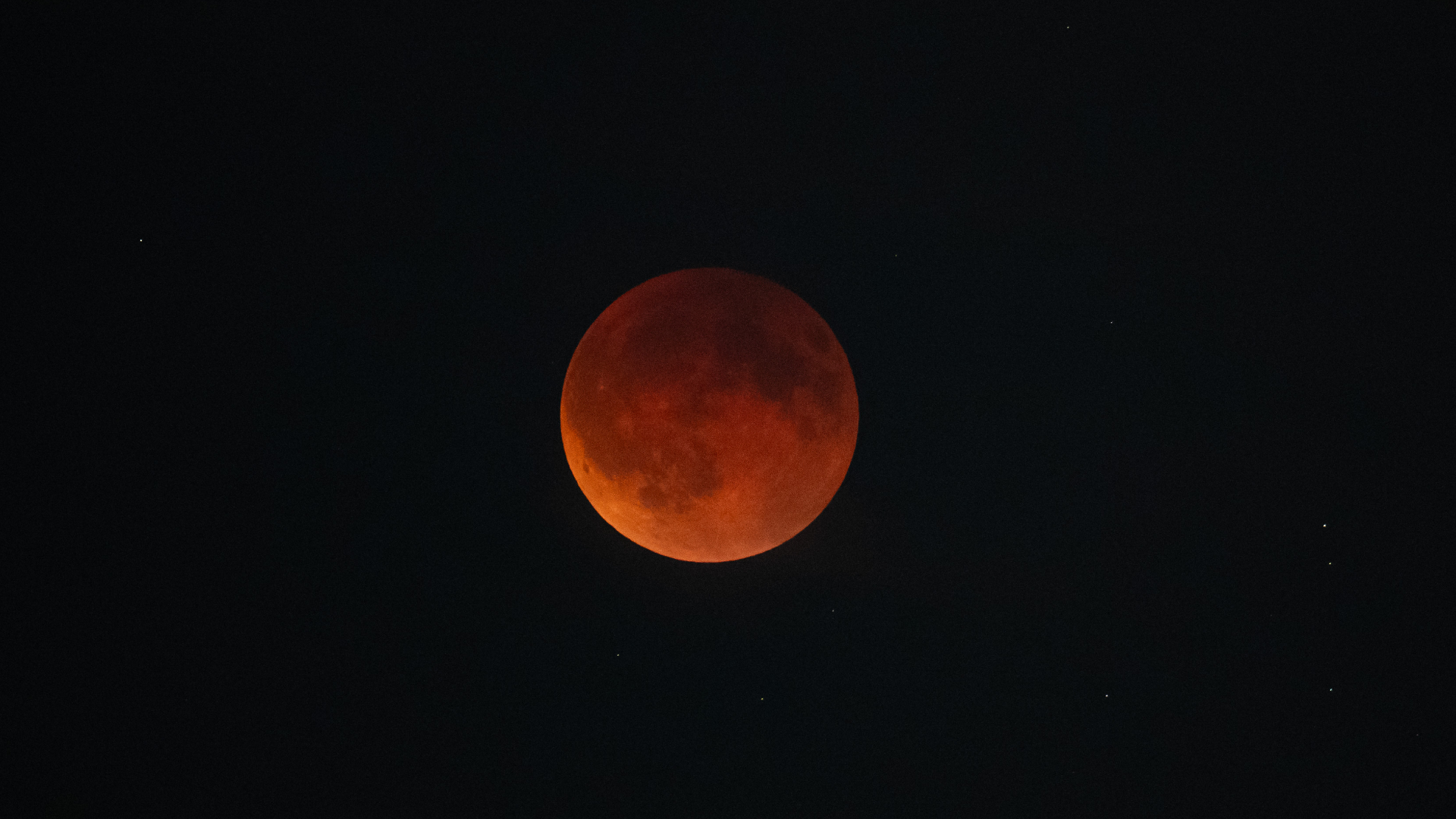
A blood moon captured over Vienna, Austria in September 2025. (Image credit: Photo by Thomas Kronsteiner/Getty Images)
Viewers in states as far east as Alabama, Tennessee, western Ohio and Michigan will witness all 58 minutes of totality before the lunar disk sets, while those further west — in Montana, Wyoming and Colorado, for example — will also see the waning partial phase.
A waning eclipse
At 7:02 a.m. EST (1202 GMT), the full eclipse will reach its end, as a thin silvery crescent of the lunar disk slowly emerges from beneath Earth’s gigantic shadow. The hours that follow will see it grow ever thicker, until our planet’s inner umbral shadow slips fully from the face of the moon at 8:17 a.m. EST (1317 GMT), followed by the outer shadow at 9:23 a.m. EST (1423 GMT).
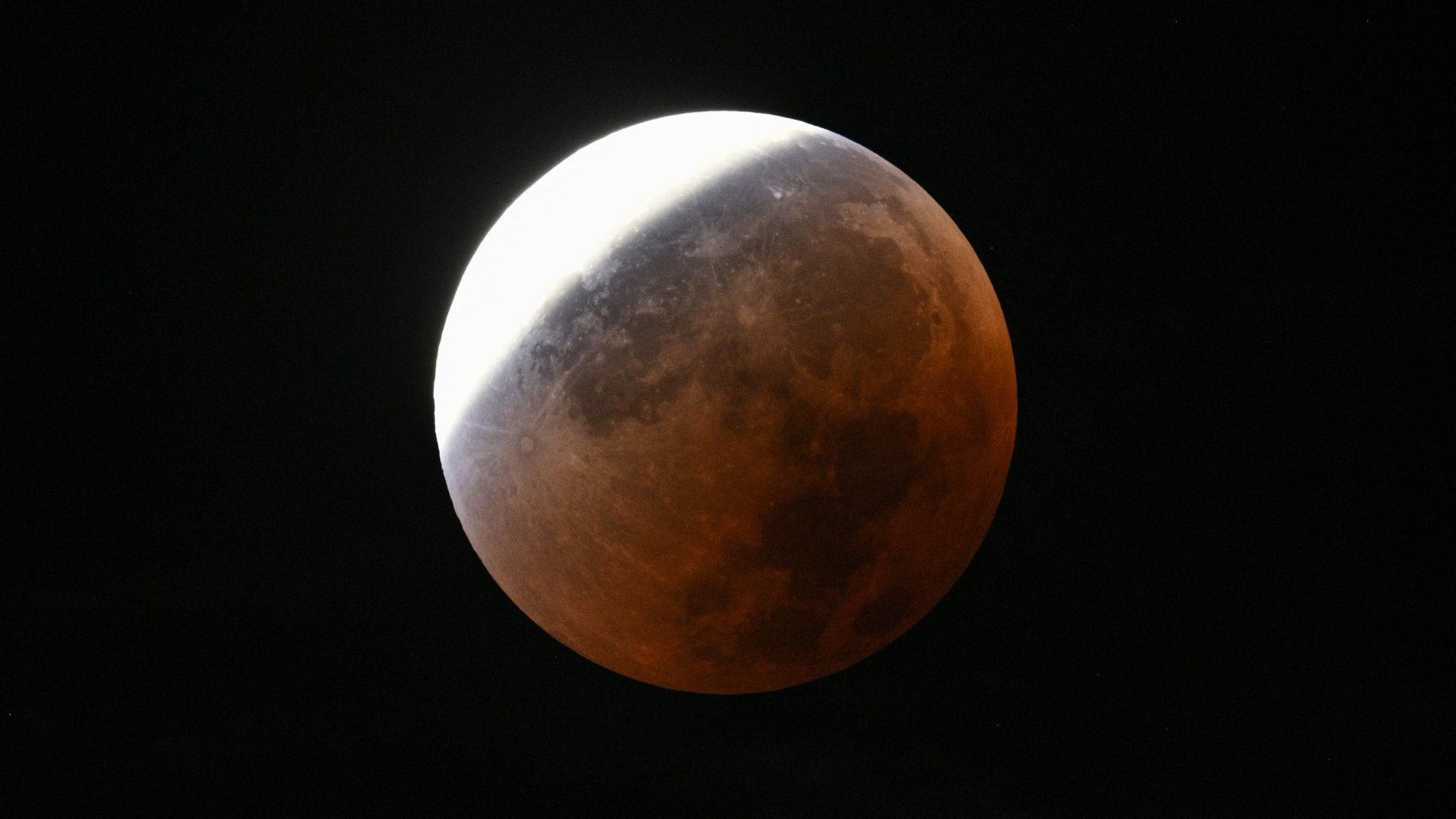
Earth’s shadow is pictured retreating from the lunar disk during a lunar eclipse seen above Turkey. (Image credit: Photo by HECTOR RETAMAL/AFP via Getty Images)
Want to immortalize your view of the March 3 blood moon? Then be sure to check out our expert guide to photographing a total lunar eclipse, along with our picks of the best cameras and lenses for astrophotography available in 2026. You should also check out our roundup of the top binoculars and telescopes for exploring the lunar disk, if you’re hoping to get a closer view of Earth’s natural satellite.
Editor’s Note: If you snap a picture of the blood moon and want to share it with Space.com’s readers, then please send your photo(s), comments, and your name and location to spacephotos@space.com.