
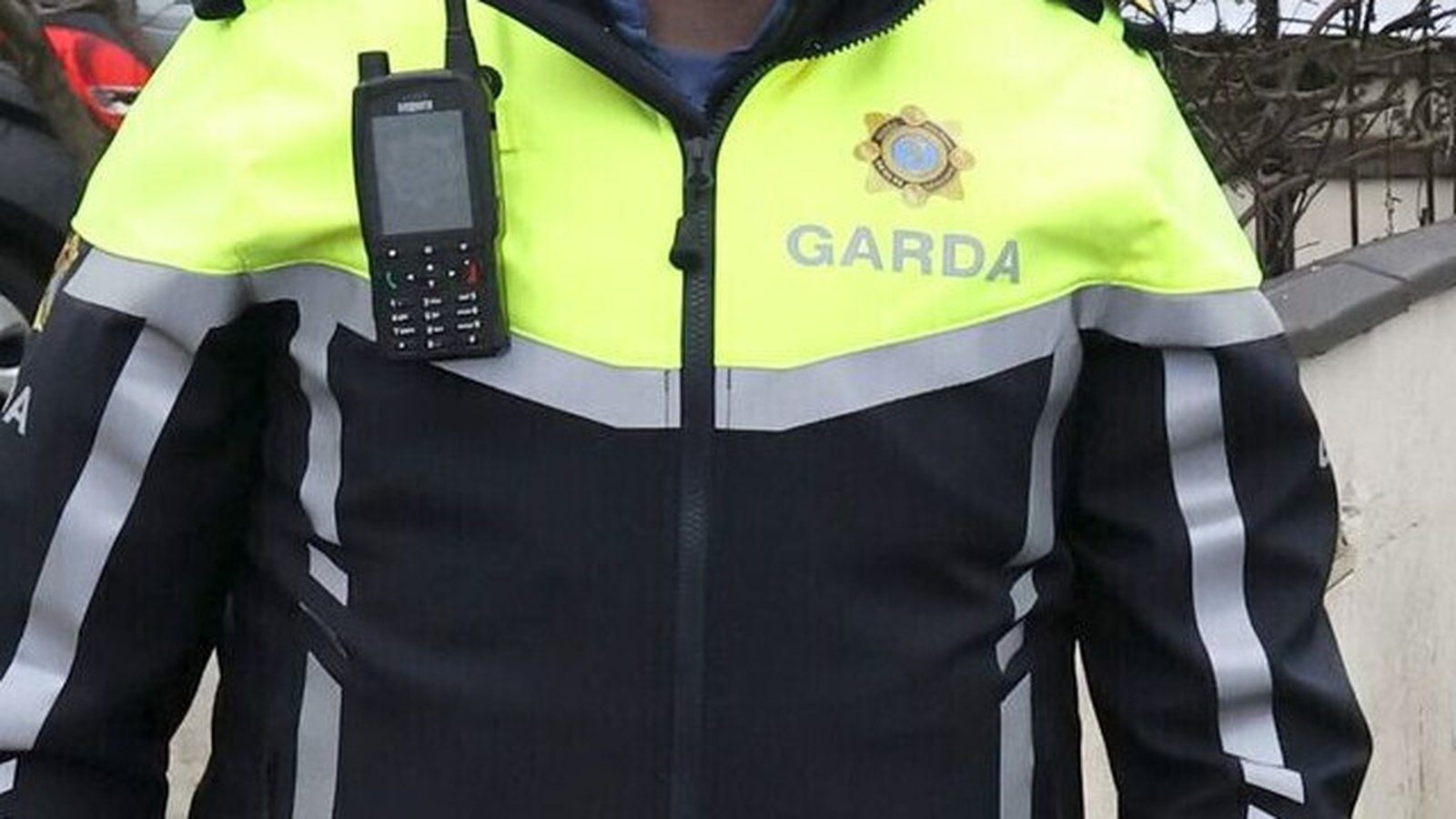
The Department of Justice is finalising regulations needed to test serving garda members for drugs and alcohol.
It said that once this is done it will then be open for An Garda Síochána to implement.
The testing of serving police officers is something that is done in other jurisdictions, including in the PSNI, and had been recommended in the 2020 Garda Inspectorate Report that looked at the threat of corruption within the organisation.
The Policing and Safety Community Safety Authority (PSCA) will meet Garda Commissioner Justin Kelly to discuss recommendations made in the 2020 report.
This week the PSCA published its review of the report, which found that of 34 recommendations made, just over half had been implemented or partially implemented.
It said the formation and resourcing of the Garda Anti-Corruption Unit, introduction of policies addressing the abuse of power for sexual gain, the definition of boundaries, and banning of accepting gifts from human intelligence sources were among measures brought in.
It also acknowledged that work had been done to implement drug and alcohol testing of serving members, but said legislation and regulation is required to bring it forward more.
It said the delay to drug testing and vetting was “surprising” given both are standard practice in other international police forces, adding there is strong support among garda members to implement in-service vetting, with 83% supporting it.
The Department of Justice has said that regulations around drug testing are “complex and require thorough consideration”, but that it is now at an advanced stage of the drafting process.
The PCSA also found that An Garda Síochána has yet to adopt a policy or develop technology to detect and prevent misuse within its IT systems, while the receiving of gifts was also raised as an issue.
The authority said that although there has been a reduction in the number of members accepting gifts, some are still being taken as part of fundraising work.
It said these gifts are not being properly recorded, and that although senior officers are approving them, they are still against policy.
Many of these include concert and sports event tickets, as well as alcohol, which had been donated towards raffles for charitable or community causes.
The authority said there were issues with accepting gifts from individuals or businesses holding licences that come under garda supervision.
It said: “The accepted gifts which are cited as charitable fundraising, may come from businesses such as pubs and restaurants which come into professional contact with An Garda Síochána due to requiring an alcohol or other licence or needing service.
“Secondly there was no evidence to indicate whether the gifts were offered by the business or requested by An Garda Síochána or if undue influence was applied by either An Garda Síochána or the businesses.
“Accepting or lobbying for such gifts enhances significantly the risk that the balance of the scales in the relationship is affected and one party or the other may feel unduly obligated.”