
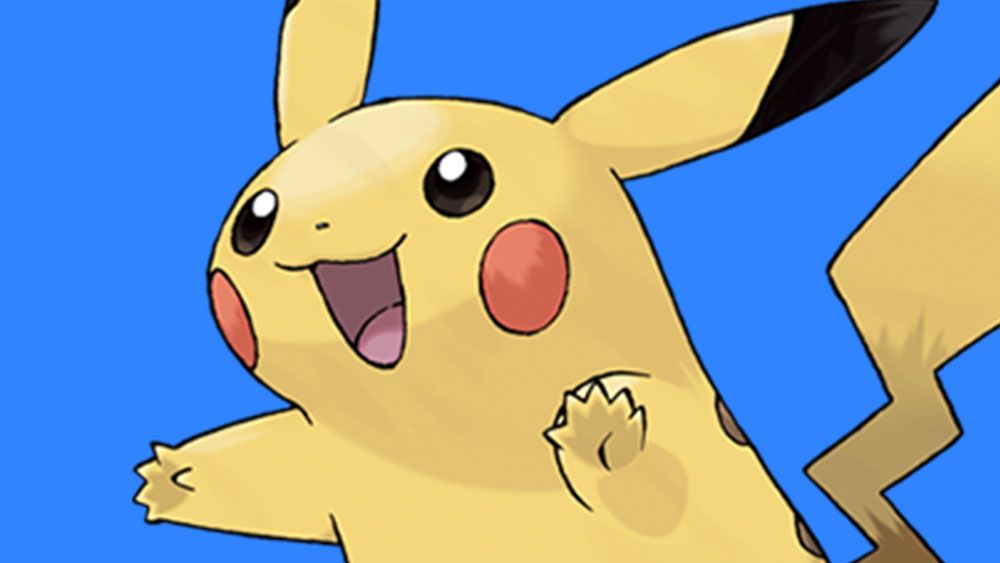
Thirty years on from Pokémon first breaking out of Japan, it’s tempting to frame the anniversary as pure nostalgia, a moment to remember your first time playing Red and Blue on Game Boy and Nintendo 3DS (still a retro game console many of us can’t resist when we see it). But anniversaries are useful for another reason: they let us pull apart the craft and strip away the merchandising empire Nintendo is so good at exploiting. What you’re left with is one of the most disciplined and influential character design series ever undertaken, and who hasn’t doodled a Pikachu at some point?
The original Pocket Monsters Red and Green (released as Pokémon Red Version and Pokémon Blue Version in the west), developed by Nintendo and Game Freak, had to do more with less when it launched on Game Boy in 1996. The handheld had a famously tiny screen, a limited green-ish monochrome colour palette, and severe memory constraints. That meant every creature design needed a readable silhouette, clear animation signals and art identity that matched and felt consistent.
You may like
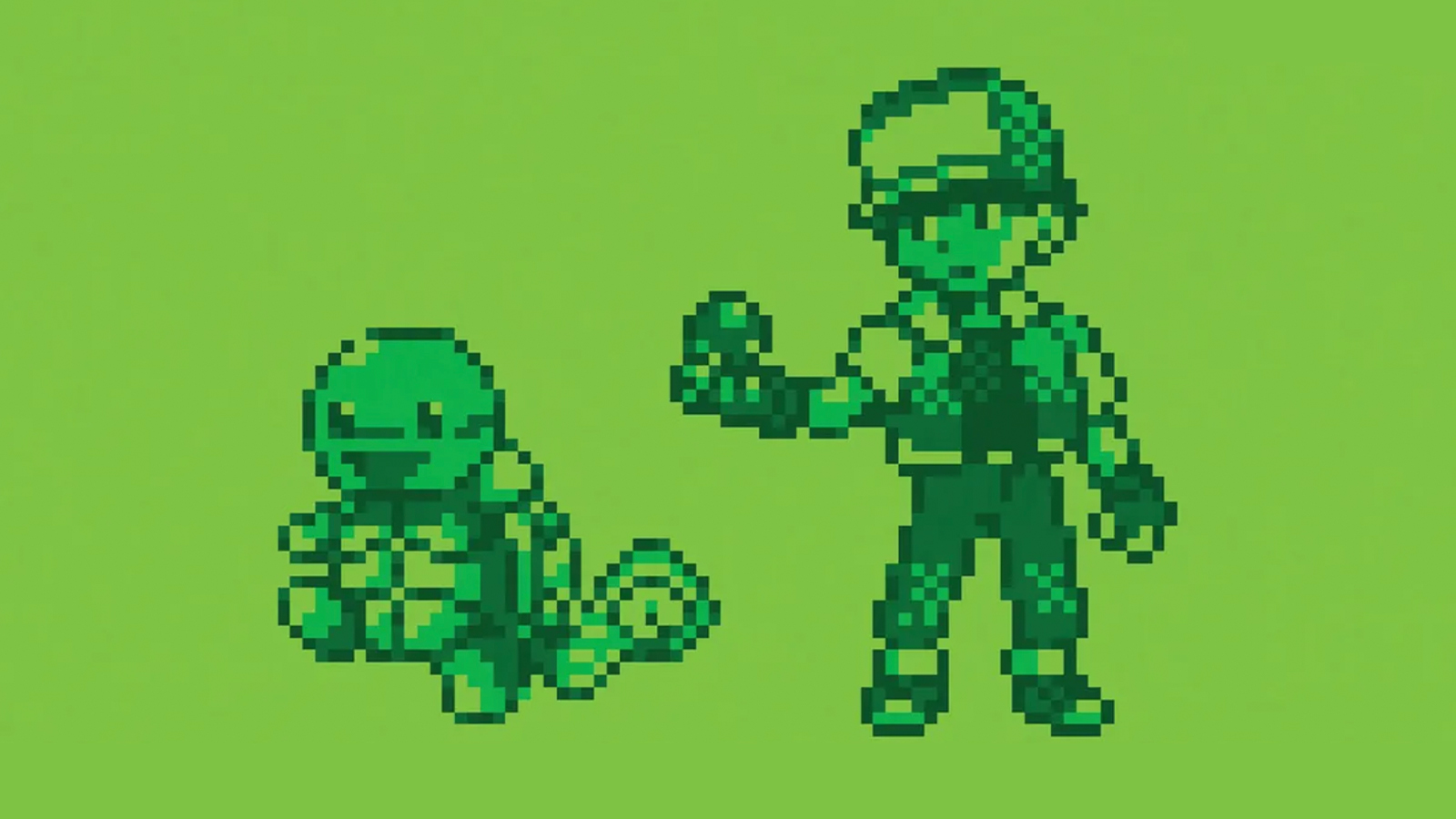
Pocket Monsters Red and Green, aka Pokémon Red Version and Pokémon Blue Version, used the Game Boy’s limited green monochrome colour palette. (Image credit: Game Freak / Nintendo)Simple design works
Look at Pikachu, the design is disarmingly simple: circular forms, high-contrast ears, the simple lightning-bolt tail everyone recognises. It’s designed for instant recognition in any size or format, whether in a game, card, plushie, or toy. You could black it out and still know it’s Pikachu, even when dressed up as a detective, and that’s not an accident. Strong character design survives reduction, so if your illustration only works in full colour at high resolution, it isn’t robust enough to survive like a 30-year old Pokémon.
Then there’s Charizard, which, on paper, is simply a dragon with wings, claws and horns. Nothing new there, but the proportions tip it into approachability rather than menace. The head is large enough to carry expression, while the body isn’t so detailed that it clutters at a small scale. This design shows how archetypes can endure, but they need to be focused and refined. Pushed too far into realism and you lose the charm, lean too hard into cute and you lose the sense of power, and that’s a balancing act many of the designs in Pokémon manage perfectly.
Even the oddballs carry intent: Psyduck (an instant fan favourite), a platypus-like creature created by Ken Sugimori, is known for its blank stare, hands clamped to its temples like a headache meme before memes were a thing. Compared to some Pokémon designs, it feels a little half-baked, but I think that’s precisely why it works and why fans love it so much. It’s tempting to often overwork characters and remove any quirks or happy accidents, but this Pokémon demonstrates the opposite; it feels like a refined doodle.
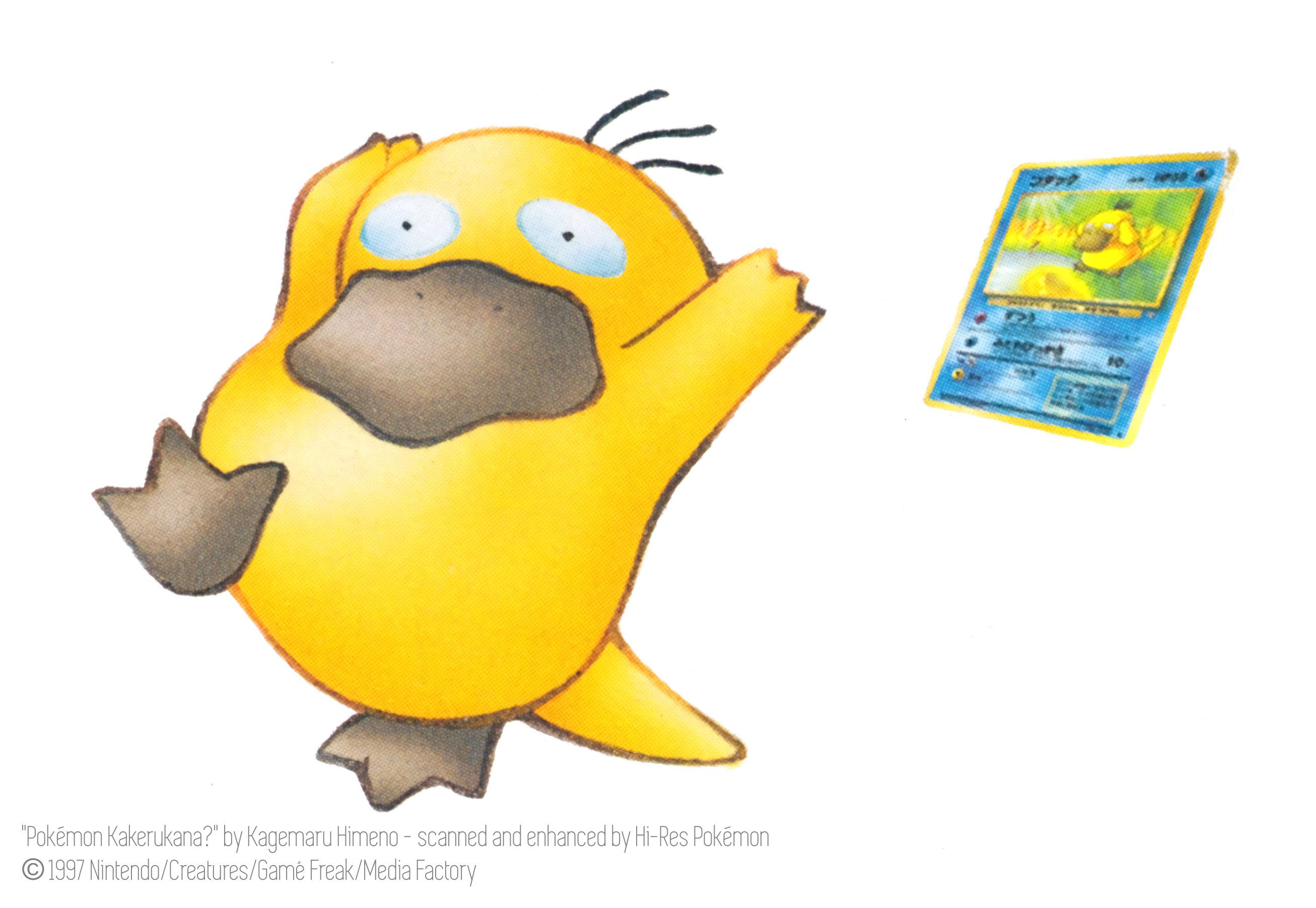
An illustration of Psyduck, via the resource site Hi-Res Pokémon. (Image credit: Game Freak / Nintendo via Hi-Res Pokémon)See the bigger picture
There’s also a systems-thinking lesson here, too. Pokémon wasn’t designed as a single mascot but as an ecosystem of creatures – the original Red and Blue featured 151 Pokémon, and you needed to link two Game Boy handhelds and trade Pokémon to ‘collect’em all’.
Creatures have (and have had) competing and complementary stats and characteristics, different types and styles, evolutions, and regional variants, all of which add to the need to build a collection. Each character must function both on its own and as part of a broader visual series. Fire types often lean into sharp forms and warm palettes; water types curve and flow, and so forth. This consistency builds trust with the audience, but, just as importantly, players need to understand immediately what the character is and how to use it. All of that is just as important as ‘how it looks’.
This can be a reminder to zoom out and view your own character designs at scale and in context: does your character belong to a consistent world? Do the design rules feel intentional?
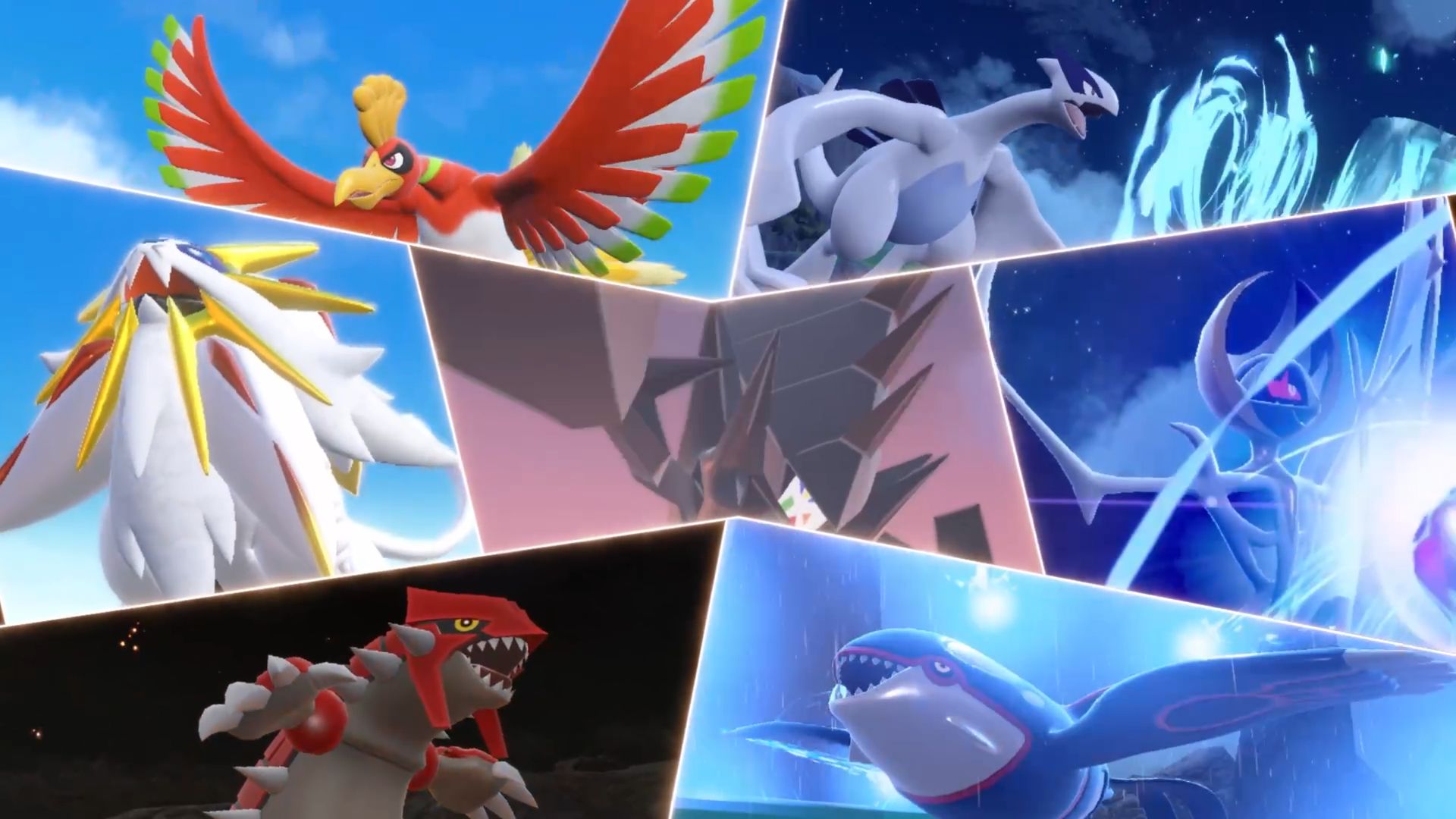
Modern Pokémon games continue to the develop the characters, adding new designs, and updating old ones into 3D. (Image credit: Game Freak / Poklémon)Moving with the times
Over three decades, Pokémon styles have shifted slightly, line weights have tightened, colours have become bolder, and 3D versions and models have been created, but the core principles remain intact. The series’ longevity has been achieved through clear design disciplines that have enabled it to buck trends that come and go, as new games such as Pokémon Legends: Z-A launch and old ones fall back into being retro classics, the fundamentals remain important across releases: clear silhouettes, readable expressions, and coherent worldbuilding.
You may like
For artists today, whether you’re building an indie game, developing a comic universe, or crafting brand mascots, Pokémon’s legacy is a case study in scalable, coherent, and consistent character design. It’s also an example of a creative team simply having fun with its world.
We often talk about tools like the best digital art software and relying on core techniques to achieve your goals, but Pokémon’s 30th anniversary is a reminder that fundamentals will always stand you in good stead.
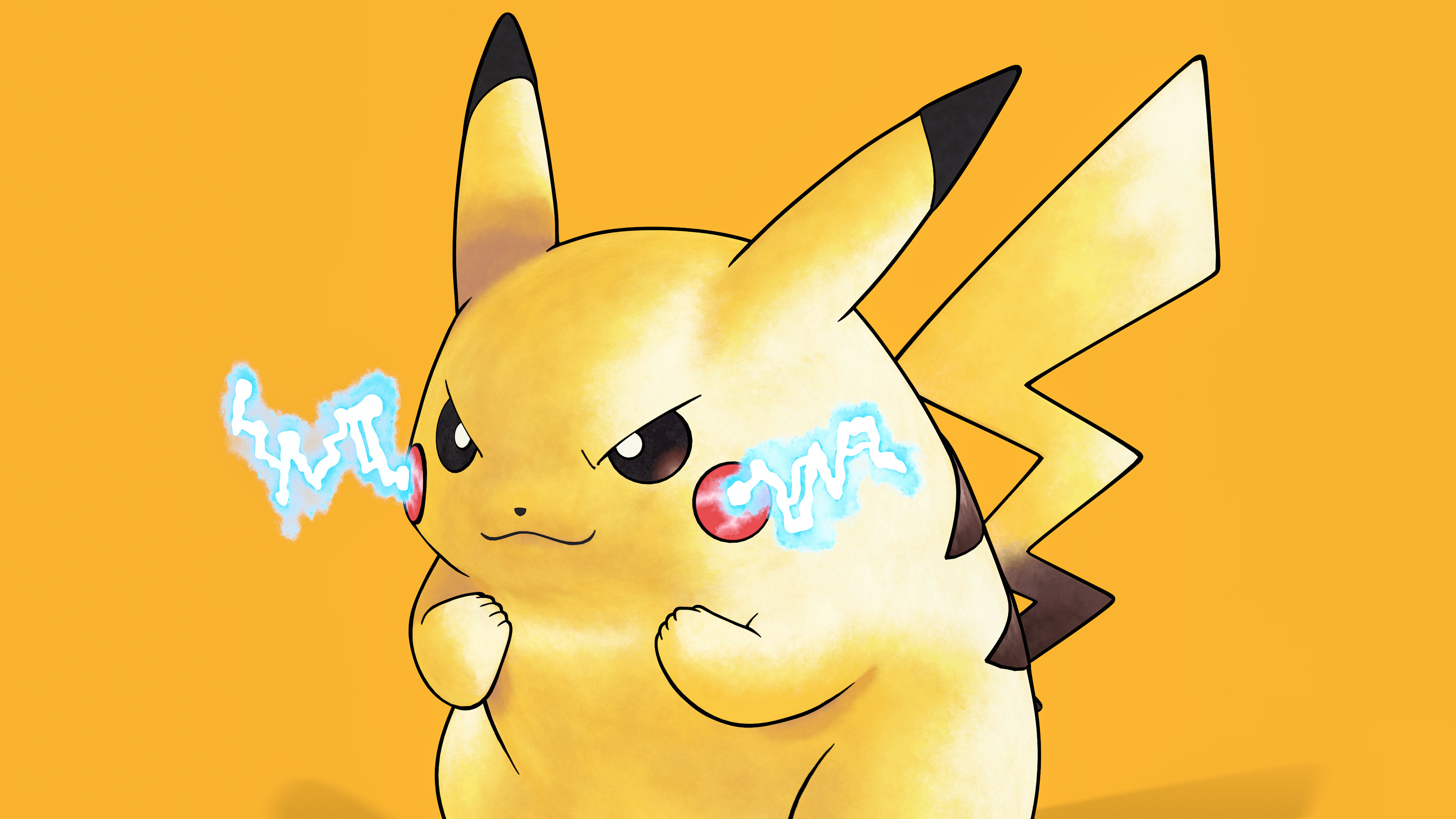
Zeion Jeremy Bernil’s version of Pikachu joins a long list of great fan art. (Image credit: Zeion Jeremy Bernil / Game Freak / Nintendo)Character design tips inspired by Pokémon
Artists continue to be inspired by Pokémon, Zeion Jeremy Bernil’s version of Pikachu (see this on their ArtStation). With that in mind, here are five character design takeaways artists can lift directly from Pokémon’s design playbook:
Design the silhouette first: If you can fill your character in solid black and it’s still instantly recognisable (think Pikachu’s ears and tail), you’re on the right track.Build from simple shapes: Circles, triangles and rectangles create clarity. Charizard balances angular wings with a rounded torso to stay readable and expressive.Give one defining trait: Psyduck is the headache duck. That singular idea drives pose, face and personality. Avoid overloading your design with competing concepts.Think in broader: Pokémon characters work because they belong to a visual ecosystem. Establish rules for colour, form or theme so your designs feel connected, not random.Design for scalability: From tiny sprites to billboards, Pokémon proves a character should work at every size. Test your design small, large and in motion before calling it finished.
Inspired? Read our list of great character design tips and tutorial articles, and check out our advice on the best drawing tablets and best laptops for drawing if you want to upgrade your tech.