
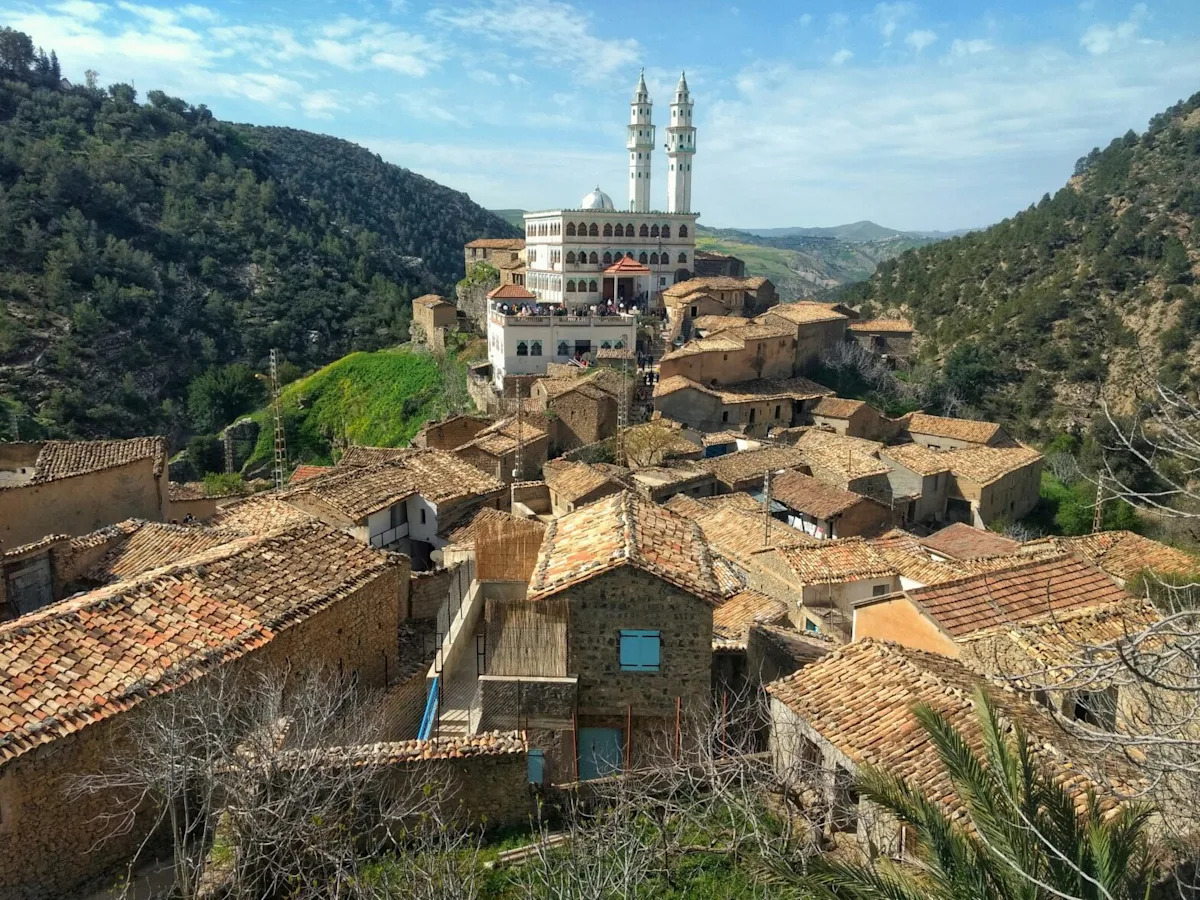
Search for “wealthiest African country,” and you will usually land on the same short list: South Africa, Egypt, Algeria, Nigeria, Morocco, and Kenya.
By nominal Gross Domestic Product (GDP), these six sit near the top of the International Monetary Fund’s (IMF) latest rankings for Africa, with South Africa, Egypt, and Algeria currently leading the pack, followed by Nigeria, Morocco, and Kenya. Their economies run on very different engines, from hydrocarbons and megaprojects to technology, agriculture, and mass tourism. For travelers, that translates into better air links, big-name hotel brands, ambitious museums, and national parks that often anchor bucket-list trips and diaspora homecomings.
It also means deep inequalities, complex political histories, and, in some cases, proximity to conflict or terrorism risks that show up in travel advisories. This guide looks at why these countries rank among the continent’s economic heavyweights, where people actually go once they arrive, and what Black travelers should know about safety, racism, and regional tensions, all with one eye on African history and how it shapes the visitor experience in 2026.
South Africa — Economic Powerhouse With World-Class Culture And Real Safety Trade-Offs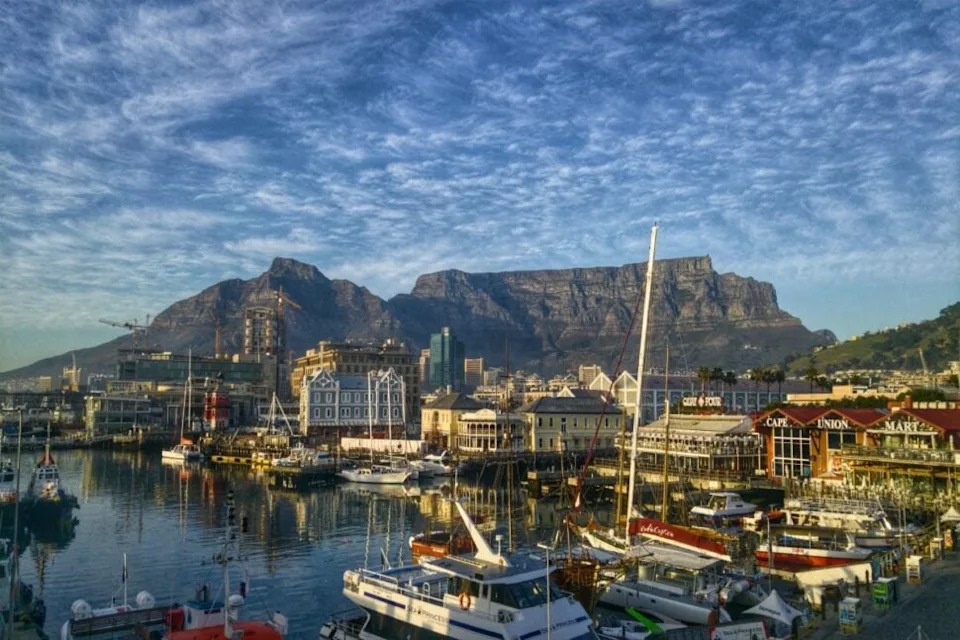
Pixabay / Pexels
South Africa currently tops IMF tables as the continent’s largest economy by nominal GDP, with services, manufacturing, and mining driving most of its output. Visitors tend to split their time between Cape Town’s mountains-and-ocean skyline, Johannesburg’s museums and townships, and big-name national parks like Kruger and Pilanesberg. Sites such as the Apartheid Museum and Robben Island attract travelers seeking a grounded view of African history rather than a generic safari circuit, while the Winelands and the Garden Route offer the quieter, resort-heavy side of the country.
At the same time, crime and inequality shape daily life.
The U.S. State Department rates South Africa Level 2 (exercise increased caution) because of crime, unrest, terrorism risk, and kidnapping, and security briefings regularly flag high crime levels in Johannesburg and other cities. Human Rights Watch and regional researchers have also tracked persistent xenophobic violence against African migrants, particularly those from other parts of the continent.
For Black travelers from the diaspora, South Africa can feel culturally affirming and visually familiar on the surface, yet the mix of visible poverty, racialised inequality, and occasional anti-immigrant rhetoric can be jarring. Many visitors manage risk by using vetted local guides, avoiding isolated areas after dark, and relying on hotel or tour operator advice about neighborhoods and transport.
Egypt — Canal, Gas, Tourism, And A Spotlight On Race And Rights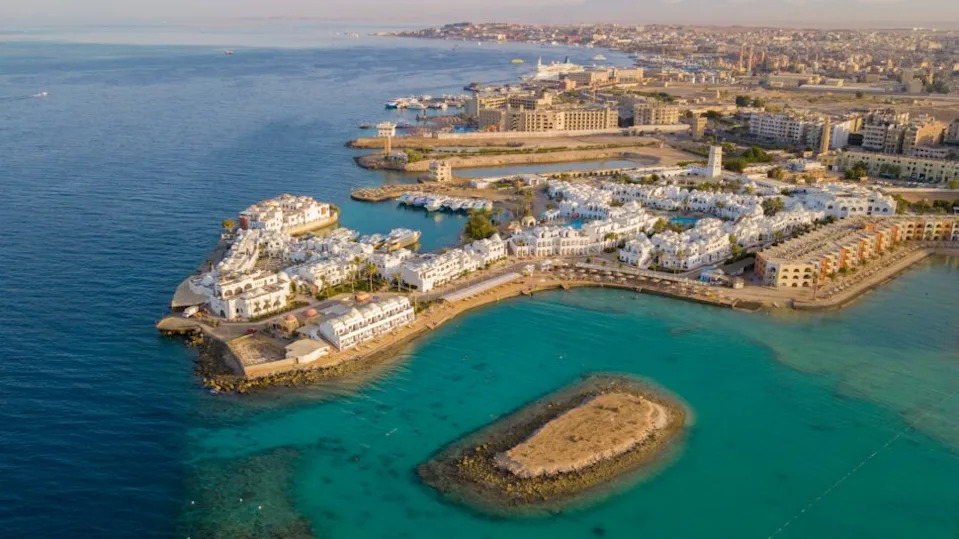
Bahaa Mourad / Unsplash
Egypt sits just behind South Africa in most recent rankings of the wealthiest African economies, with revenue anchored in the Suez Canal, natural gas exports, tourism, and remittances from Egyptians abroad. The government has poured money and political capital into the tourism sector, which generated record income in recent years and welcomed more than 15 million visitors in 2024. Cairo, Luxor, Aswan, and the Red Sea resorts remain the main draw, and the new Grand Egyptian Museum outside Cairo now offers one of the most ambitious overviews of African history through Pharaonic collections and multimedia galleries.
Travelers need to weigh that cultural depth against a tense security and human-rights climate. Egypt carries a Level 2 advisory from the U.S. and similar guidance from other governments because of terrorism and local restrictions in areas near Libya, Gaza, and parts of Sinai. Rights groups and UN bodies have also documented discrimination and violence against Black Africans, including Sudanese and other sub-Saharan refugees, in cities like Cairo, along with broader patterns of anti-Black racism in the Arab world.
Black travelers on the main sightseeing routes usually find logistics straightforward, even if underlying tensions remain part of the wider picture. Booking reputable guides, staying alert to pushy vendors and common tourist scams, and steering clear of political demonstrations are simple ways to move through Egypt with intention and keep the focus on its archaeological sites and contemporary cultural life.
Algeria — Gas-Backed Stability And A Slow-Burn Tourism Scene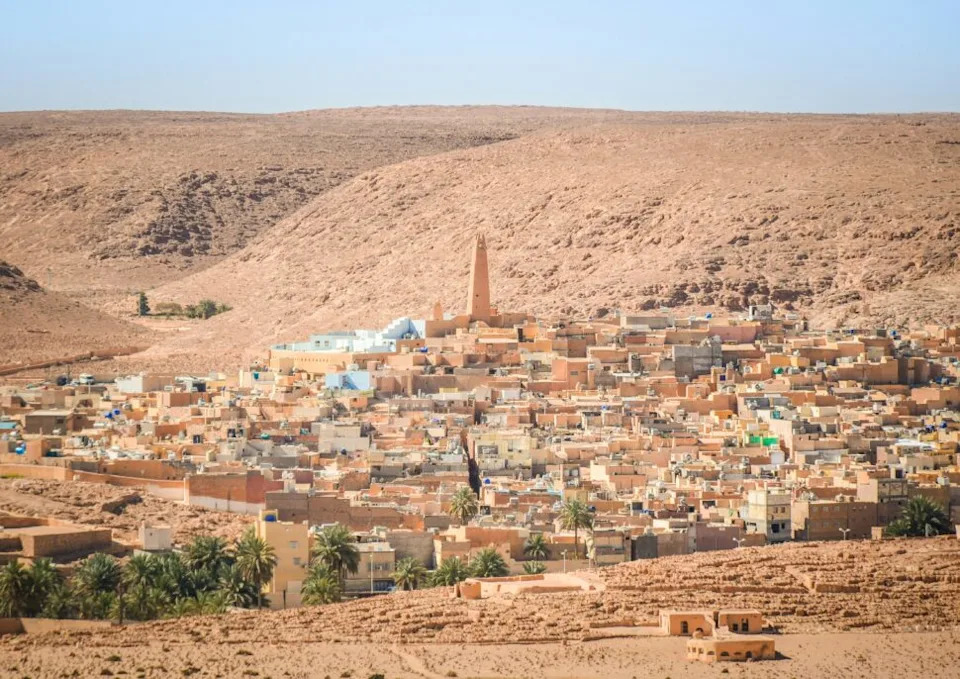
mido art / Unsplash
Algeria ranks among the top four African economies by nominal GDP, and hydrocarbons dominate that picture. Oil and gas exports account for the vast majority of export revenue and finance public wages and subsidies, even as the government talks up diversification. For travelers, that wealth shows up less in mass tourism infrastructure and more in large-scale public works, wide boulevards in Algiers, and subsidised domestic transport. The country’s tourism potential lies in its Roman ruins at Tipasa and Djemila, Ottoman and French colonial architecture in Algiers and Oran, and Saharan towns such as Ghardaïa, which preserve centuries-old urban design and desert trade routes.
Security conditions are more restrictive than in Morocco or Tunisia. Several governments warn about a continuing high threat of terrorism, especially near borders with Mali, Niger, and Libya, and travel advisories sometimes discourage independent overland trips in remote areas. Urban centers and well-managed desert circuits have improved in recent years, but this remains a destination where many travelers rely on organized tours and licensed local operators.
As in other Maghreb states, researchers and UN rapporteurs have documented racism and xenophobia towards sub-Saharan migrants, even as officials promote pan-African solidarity. Black visitors crossing as tourists, rather than as migrants, can experience warmth and curiosity, but it is important to recognize that experience sits alongside much harsher realities for Black communities at the margins.
Nigeria — Oil Wealth, Cultural Gravity, And Serious Security Concerns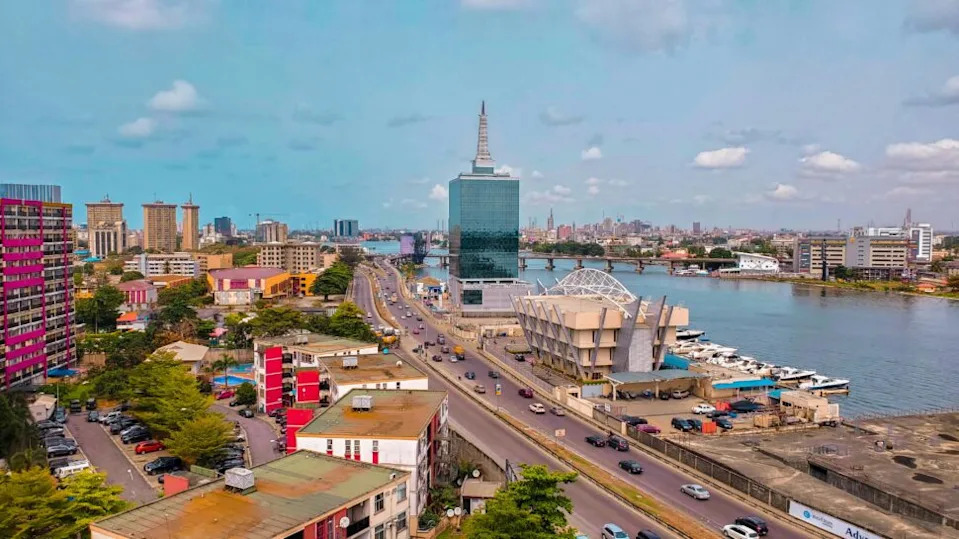
Nupo Deyon Daniel / Unsplash
Nigeria is Africa’s most populous country and a global energy player, with oil and gas still providing the bulk of export earnings and government revenue, even as the economy diversifies. New investment in projects like the Dangote Refinery signals a continued bet on hydrocarbons, while Lagos positions itself as a regional hub for finance, tech, and culture.
For travelers, Nigeria’s appeal rests less on conventional resorts and more on cultural immersion: Lagos nightlife, Nollywood, fashion weeks, contemporary art galleries, and historic sites such as the Osun-Osogbo Sacred Grove and Badagry’s slave-trade heritage museums, which connect directly back to African history and the Atlantic world.
Security is the main reason many tourists hesitate. The U.S. and other governments advise travelers to reconsider travel to Nigeria because of terrorism, kidnapping, crime, and civil unrest, with specific “do not travel” warnings for several states in the north and oil-producing regions.
Infrastructure in Lagos and Abuja has improved, and members of the diaspora continue to visit for weddings, festivals, and business, usually leaning on local networks for drivers, logistics, and neighborhood guidance. For Black travelers without family ties or work reasons to be there, this may not be the first choice for a spontaneous city break in 2026. Those who do go tend to plan in detail, rely on trusted hosts, and stay alert to rapidly changing local conditions.
Morocco — Diversified Growth, Record Tourism, And A Debate About Racism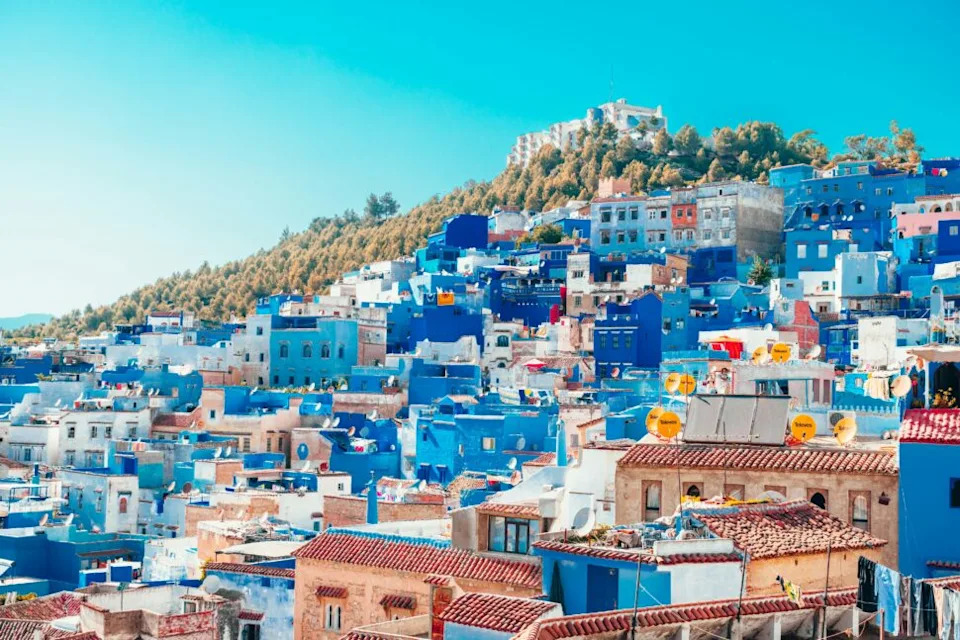
Heidi Kaden / Unsplash
Morocco ranks fifth among African economies by nominal GDP and is often cited as one of the continent’s most diversified, with agriculture, mining, manufacturing, and tourism all playing significant roles. The country has leaned hard into tourism and aviation, breaking its arrivals record with roughly 19.8 million visitors in 2025 and preparing for the 2030 FIFA World Cup with major airport upgrades. Travelers spread out across Marrakech, Fez, Chefchaouen, Casablanca, the Atlantic surf towns, and Saharan gateways like Merzouga, often drawn by medina architecture that layers Amazigh, Arab, Jewish, and Andalusian histories.
Most foreign offices consider Morocco broadly safe for tourism while still flagging a general terrorism threat and the usual risks of petty crime and scams in crowded areas. Black travelers often enjoy Morocco, which has become a favorite city-break and retreat destination, especially from Europe and North America — yet, the picture is complicated.
Academic work, human-rights reporting, and UN experts have highlighted anti-Black racism and discrimination toward sub-Saharan migrants and Black Moroccans, even as the state promotes a pan-African image and has regularized some migrants’ status. Many Black visitors still describe strong hospitality in riads and restaurants, but it helps to be aware of the broader context, especially if you also follow stories about migrant routes through North Africa.
Kenya — East Africa’s Tech And Safari Hub Balancing Growth And Border Risk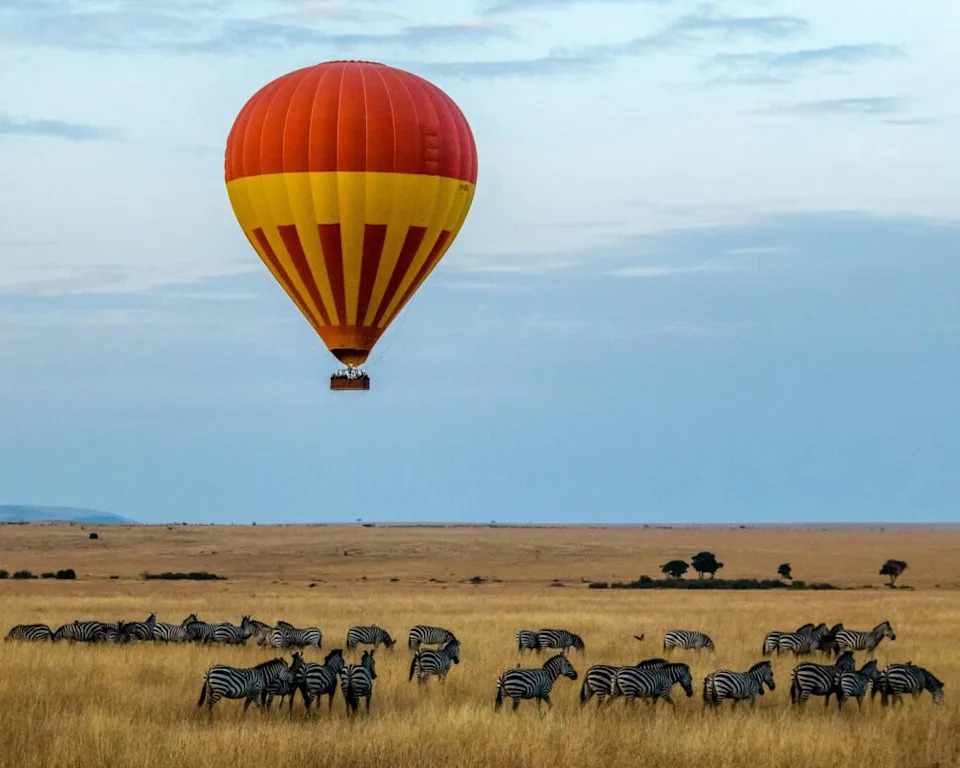
sutirta budiman / Unsplash
Kenya closes out this list as East Africa’s largest economy by nominal GDP, with services, agriculture, manufacturing, and tourism all contributing to steady growth. Nairobi positions itself as a regional tech and finance hub, while the country’s wildlife and coastline pull visitors into classic safari itineraries.
In 2024, Kenya welcomed around 2.4 million international visitors, a record year that highlights how central tourism remains. Most travelers move between Nairobi, the Maasai Mara and other conservancies, Mount Kenya or the Rift Valley lakes, and beach destinations such as Diani and Lamu, where Swahili culture, Indian Ocean trade history, and contemporary Kenyan design intersect.
Security varies sharply by region. The UK and other governments advise against travel to some areas near the Somalia border and parts of the north and east because of attacks linked to al-Shabab and other groups, while Nairobi and major parks remain open with standard urban and road-safety concerns. Kenya’s recent move toward visa-free entry for many nationalities, including African passport holders, has been framed as part of a more open, pan-African stance.
In Nairobi, Black travelers usually find a vibrant, majority-Black city with strong creative, fitness, and food scenes, though social class and nationality still shape how people are treated. As with other destinations on this list, working with reputable guides and staying up to date on regional news makes it easier to enjoy the country’s cultural and natural highlights.
So, Should You Go?
When people ask which is the wealthiest African country, they usually want a quick answer. IMF tables answer that, at least for nominal GDP, but travel decisions need a wider lens. South Africa, Egypt, Algeria, Nigeria, Morocco, and Kenya all offer serious infrastructure, deep layers of African history, and thriving Black cultures that set the tone for music, fashion, and film far beyond their borders. They also live with the fallout of colonialism, internal inequality, racism, and security threats that show up, sometimes bluntly, in travel-advisory language.
If you go this year, treat economic rankings as a starting point rather than a promise of comfort. Read current advisories, listen to local journalists and Black travel communities, and give each place enough time for its full story to emerge, not just the wealthy skyline or the safari postcard.
The post Why You Should (Or Shouldn’t) Visit The Wealthiest Countries In Africa This Year appeared first on Travel Noire.