
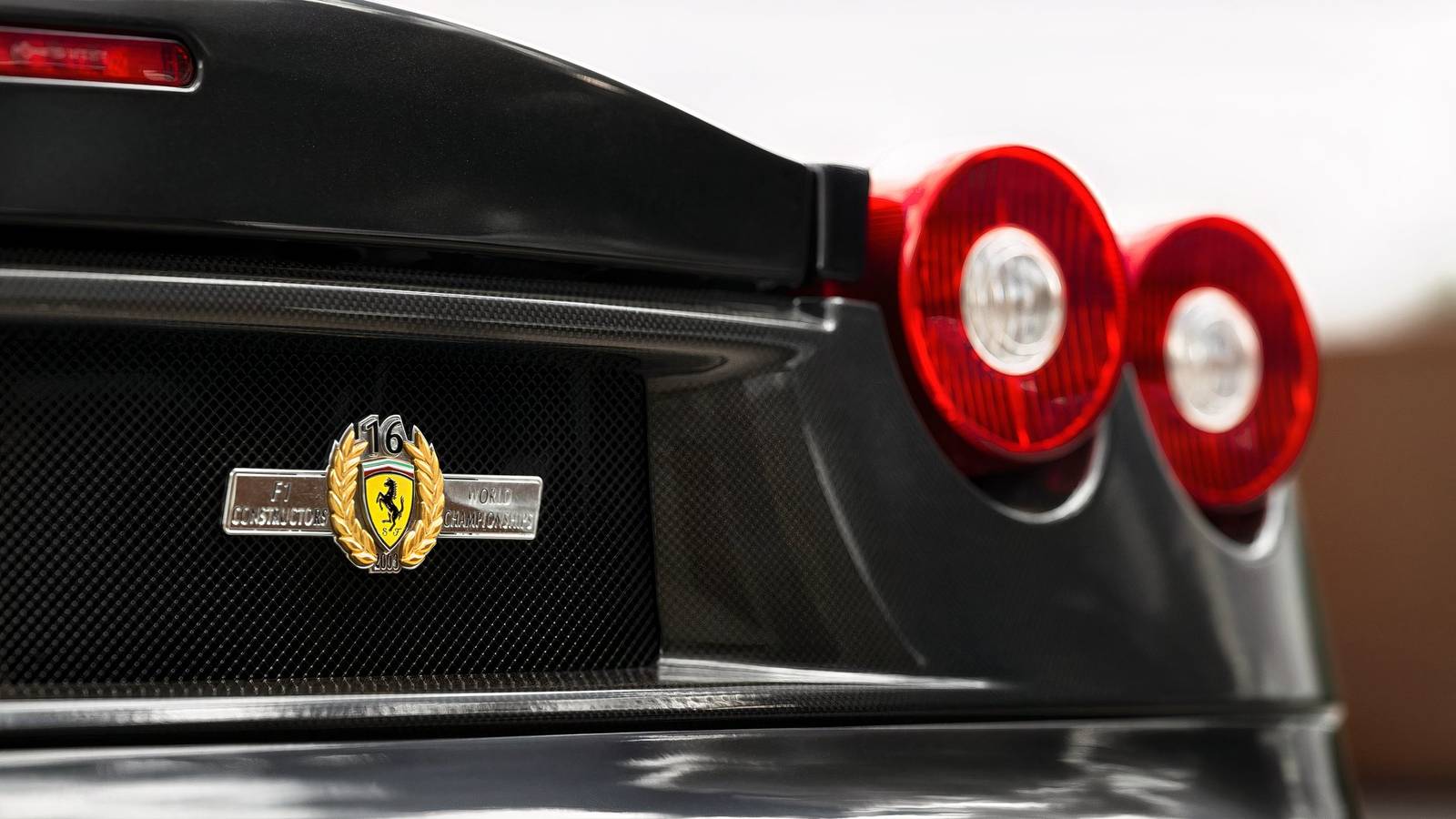
No matter what Ferrari you opt for on the used market, you have to expect to part with a fair chunk of your savings to secure one. When you add rarity, and a sprinkling of racing pedigree, into the mix, don’t be surprised if you have to add an extra zero to the final figure. Or perhaps two, if you go for a real special model.
Base Trim Engine
4.3L V8 Gas
Base Trim Transmission
6-Speed Automatic
Base Trim Drivetrain
Rear-Wheel Drive
Base Trim Horsepower
503 hp
Base Trim Torque
347 lb-ft @ 5250 rpm
Fuel Economy
11/16 MPG
Segment
Supercar
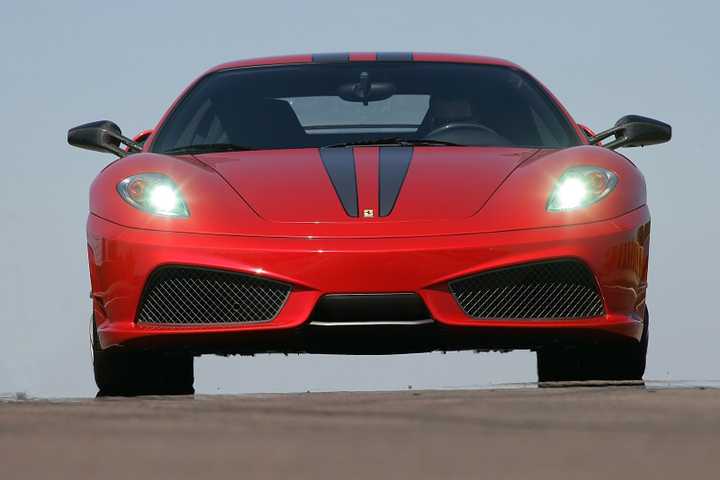
The Ferrari F430 Scuderia Spider 16M is one such example of the breed, with the value of the car having more than tripled since it was shiny and new 17 years ago. There are some good reasons for this though, and they start with the entire reason it was cooked up in the first place.
The 16M Turned Up Late In The F430’s Production Run
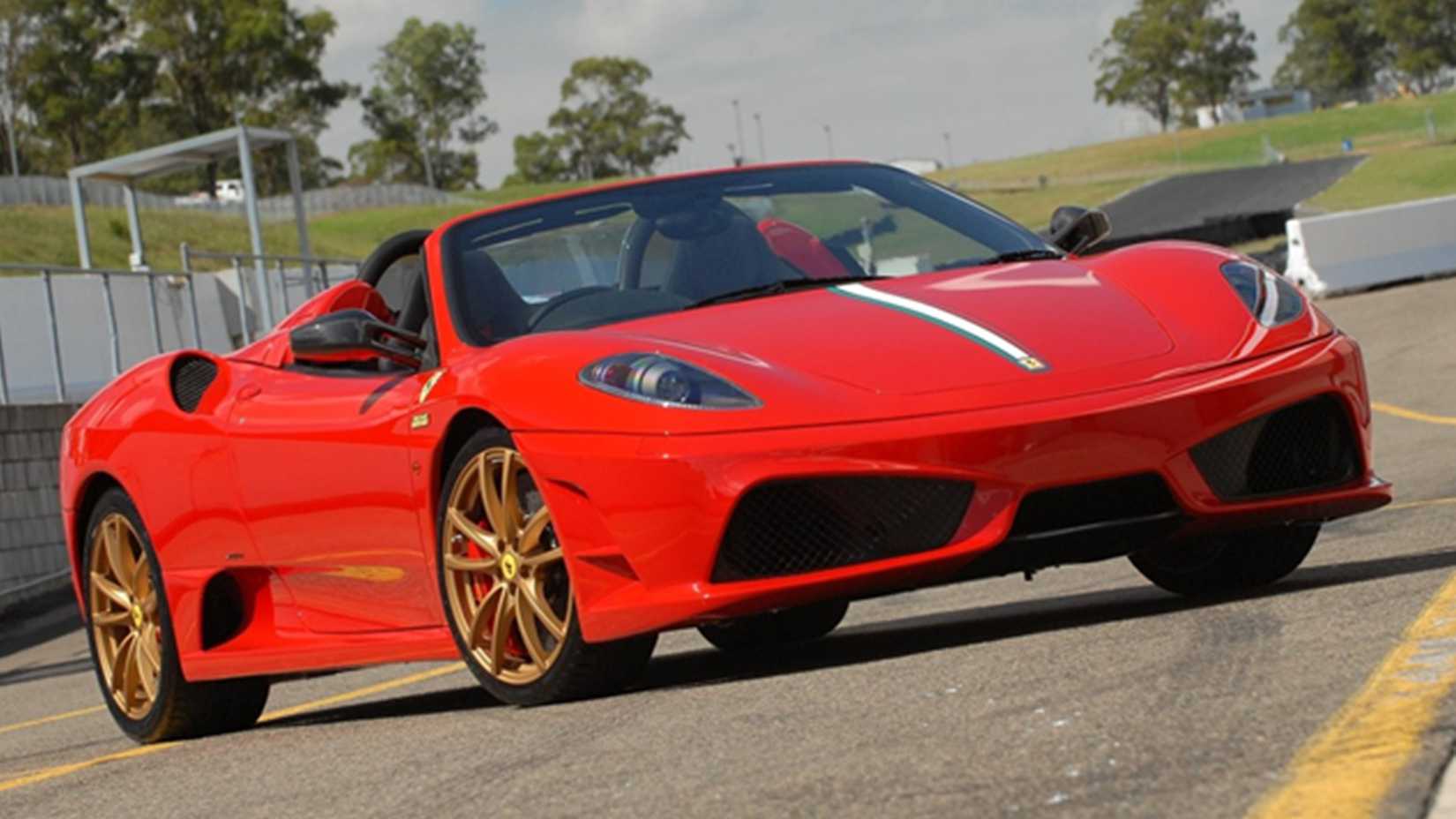
Red 2009 Ferrari F430 Scuderia Spider 16M frontFerrari
By the time the Scuderia 16M arrived in 2009, the F430 had been around for some time. It debuted in 2005 as the successor to the 360 Modena, with the new car coming with highlights such as a more powerful naturally aspirated V8 and more advanced technology under the skin to ensure it could lap racetracks faster than ever. The standard version was joined by a race-bred Scuderia version in 2007, which got a more powerful V8 and a hefty diet to make it even more agile and commanding on the track.
While a convertible version of the standard F430 was released shortly after the coupe variant, the Scuderia remained purely a hardtop, at least for a couple of years.
2009 Ferrari F430 Scuderia Spider 16M
Engine
4.3L NA V8
Transmission
6-Speed Semi-Auto
Power
503 hp
Torque
346 lb-ft
0-60 MPH
3.7 seconds
Top Speed
195 mph
The F430 16M Was Developed To Celebrate Ferrari’s Formula 1 Prowess
Ferrari F2008 on track from frontFerrari
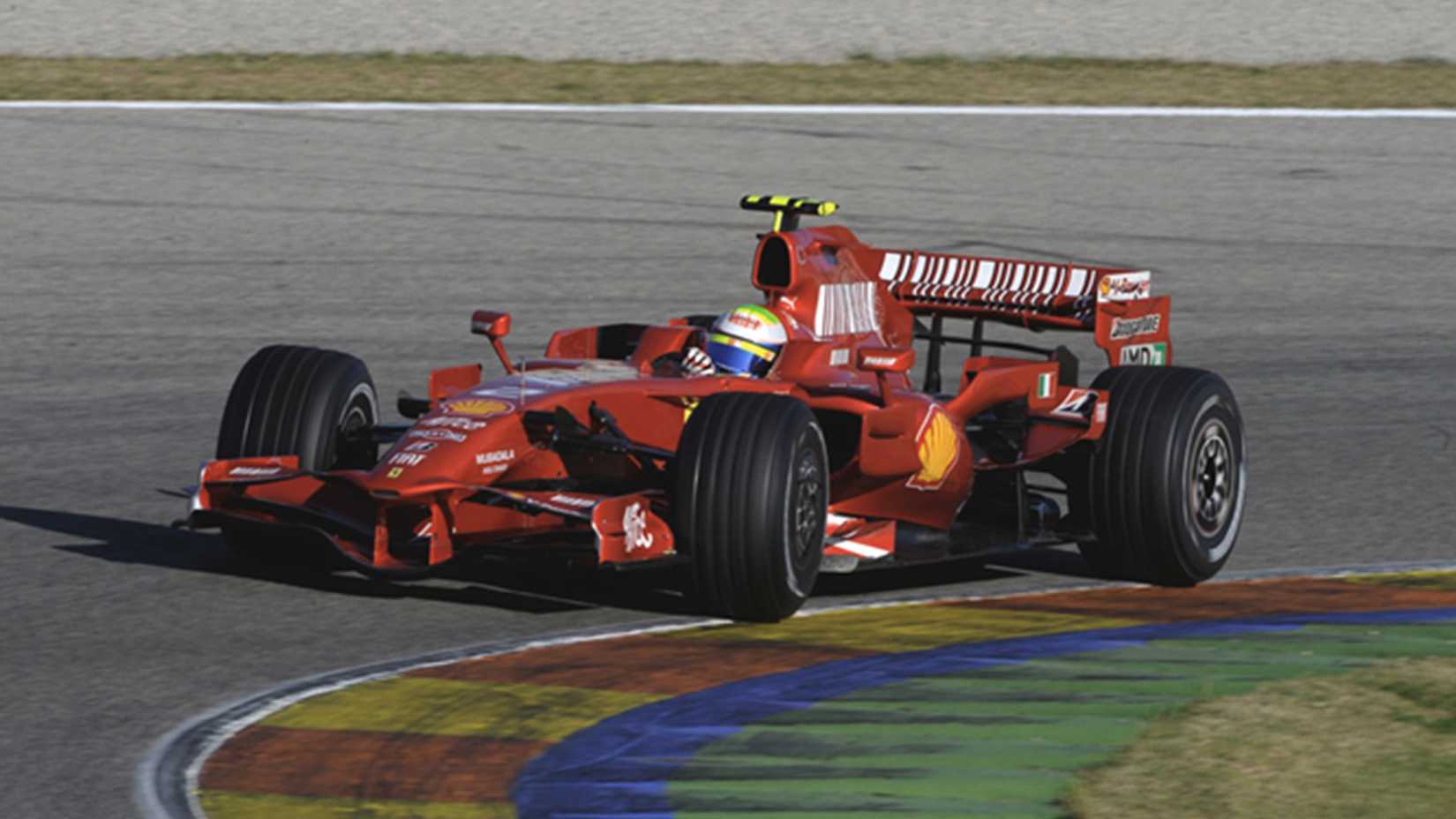
This changed in 2009 though, as Ferrari was in a celebratory mood. It had recently claimed its 16th Formula 1 constructors’ championship by coming out on top in the 2008 season, though it couldn’t quite complete the double due to McLaren’s Lewis Hamilton edging out Maranello’s own Felipe Massa for the drivers’ title. The Brit claimed the accolade by just one point following a breathless Brazilian Grand Prix finale, a result that is still contested to this day. Still, a 16th constructors’ title was an amazing feat for the Prancing Horse, and it wanted to share its joy with its customers.
The decision was thus made to make a special limited edition variant of the F430, which was christened the 16M to reflect Ferrari’s F1 glory.
Discussion
Is the Purosangue proof that a Ferrari SUV was a great idea?
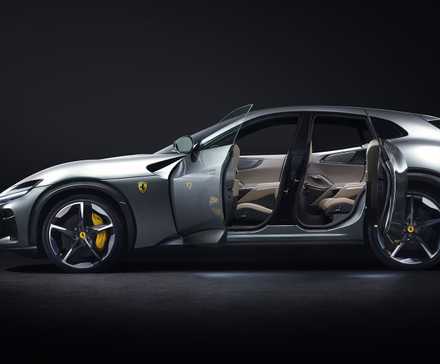
The Purosangue has approached the super SUV niche from a unique perspective, creating drama and a sense of occasion that other rivals cannot claim by avoiding a generic luxury crossover design, resulting in astonishing demand and very full order books. With a naturally aspirated V12 engine, is there anything the Purosangue needs to be a better Ferrari SUV?
The F430 16M Represented An Expensive Investment At Its Cheapest
Yellow 2009 Ferrari F430 Scuderia Spider 16M rear endFerrari
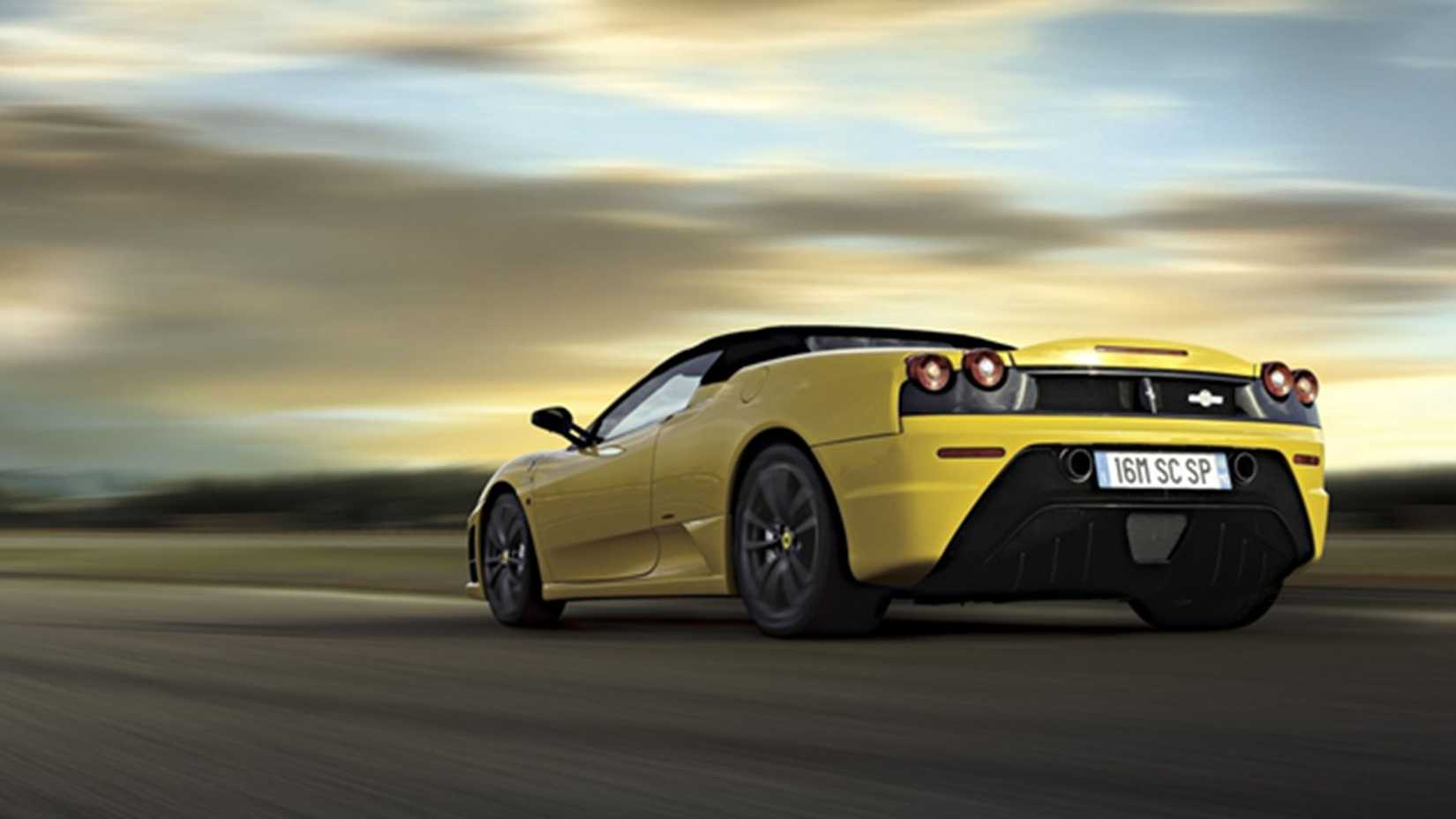
Of course, given it was a Ferrari, the F430 couldn’t exactly be described as a bargain. The Italian stallion started at $313,350, which was just shy of $100k more than the standard F430 Spider would have cost. Part of the reason for this enhanced asking price was the extra performance granted by the special Scuderia components, but the more crucial element was just how rare the thing was. Only 499 examples were ever built, making it a sought-after collectible from the moment it was announced.
Indeed, all 499 F430 Scuderia 16M’s had found owners even before production kicked off. As is the way with a rare Ferrari, owners who played the long game have been very handsomely rewarded.
2009 Ferrari F430 Scuderia Spider 16M Values
Base MSRP
$313,350
Lowest Sale Price
$508,083
Highest Sale Price
$1.98 million
Average Sale Value
$926,317
Related
10 Supercars And High-End Sportscars That Have Become Relatively Affordable
You’ve dreamt about them – and now you could possibly own them. Here are 10 supercars that no longer cost the earth.
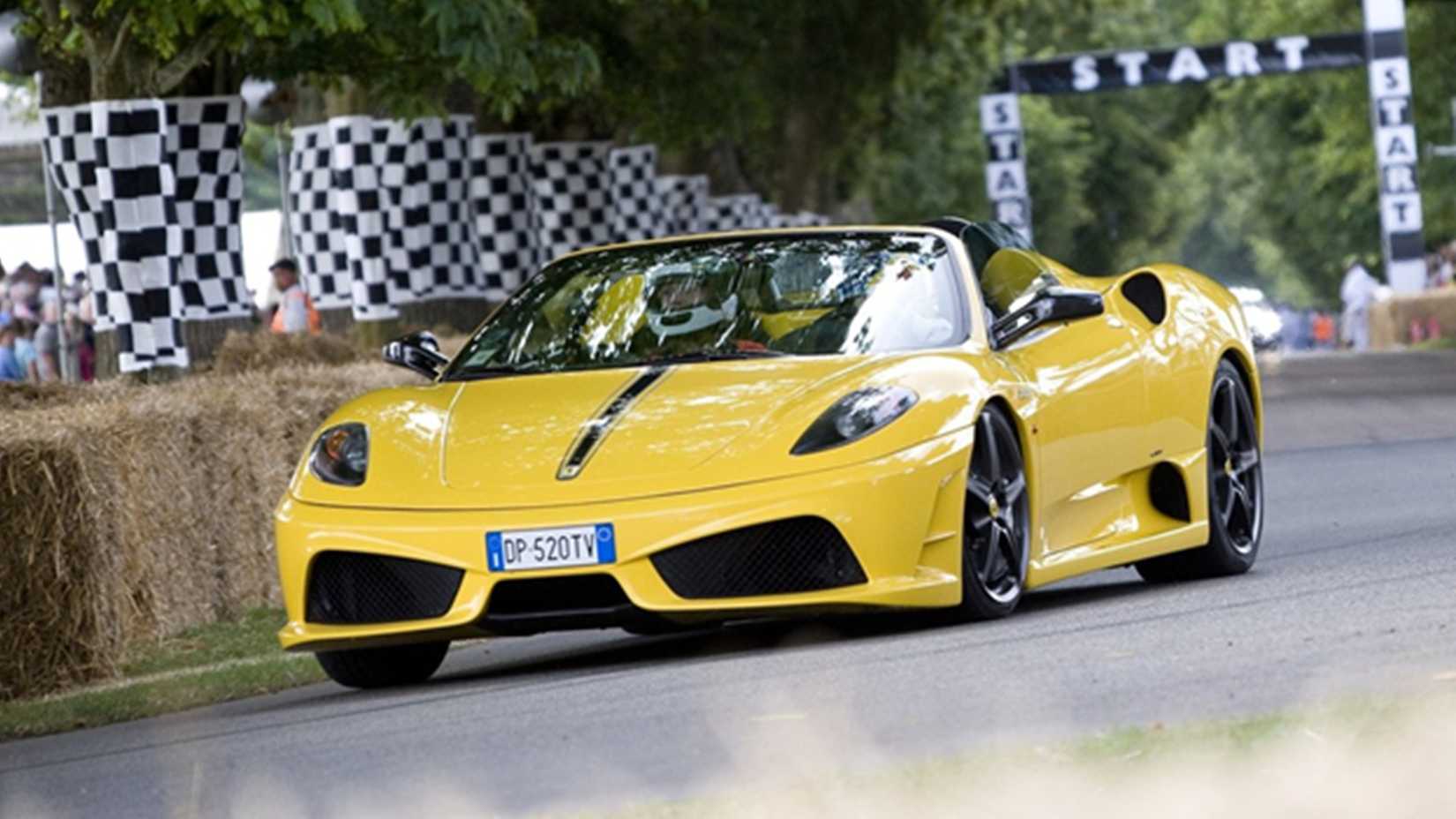
Ferrari’s Special Spider Can Attract North Of $1 Million In Mint Condition
Yellow 2009 Ferrari F430 Scuderia Spider 16M on track from frontFerrari
There is very much a catch-22 when buying a machine such as the F430 16M, as a finely-tined performance weapon such as this is just begging to be thrashed along your favorite road. The drawback of this is the extra numbers that start appearing on the odometer, as they essentially illustrate dollar bills being fired from the exhaust. Extremely low-mileage F430 16M’s can secure over $1 million, as a blue example with just under 6,000 miles on the clock proved just earlier this year. The car, sold through RM Sotheby’s, went under the hammer for a cool $1.1 million in February 2026.
It’s possible to blow even this figure out of the water though, as illustrated by the first F430 Scuderia 16M ever built. The car had been remarkably well-preserved by its owner, and was sold in January 2026 with only 141 miles showing on the dash. It managed to secure $1.9 million in the auction carried out by Mecum, making it by far the most expensive example of the model sold so far. To show just how much this is, well-traveled examples with over 15,000 miles on the odometer tend to sell for comfortably under $900k. According to industry experts, the current average value for the model currently stands at $926,317.
The F430 Scuderia Largely Shared The Same Platform As The Coupe
2009 Ferrari F430 Scuderia Spider 16M V8 engine topFerrari
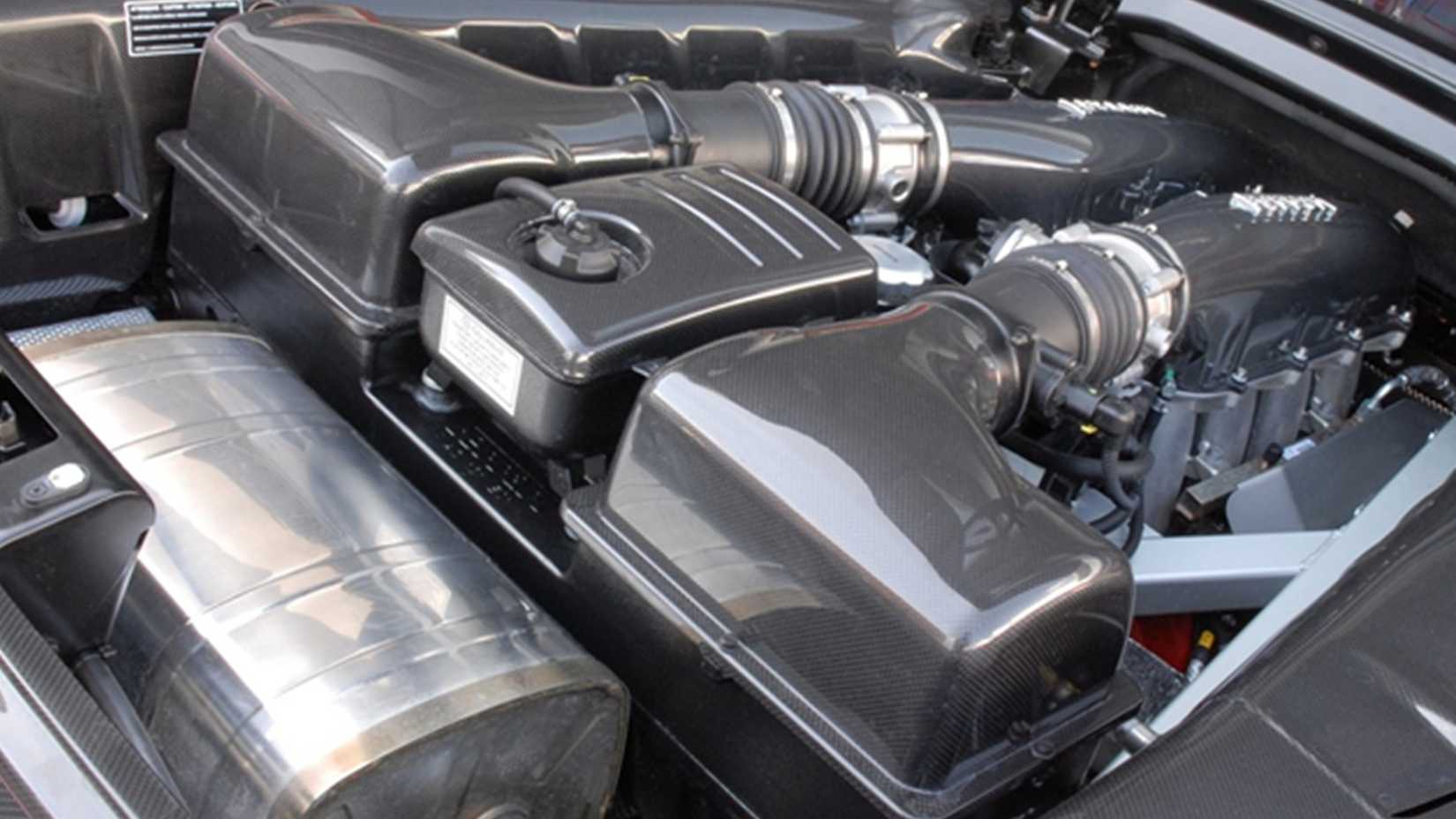
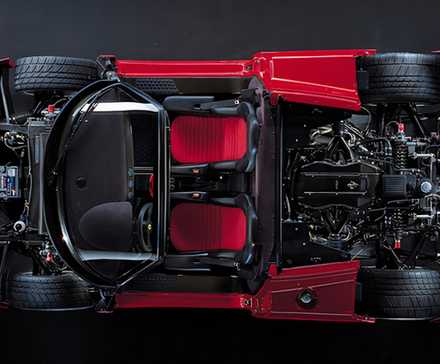
For the most part, Ferrari pretty much just chopped the roof off of the standard F430 Scuderia to create the 16M. The upgraded 4.3-liter naturally aspirated V8 found in the Scuderia hardtop was retained, meaning 503 horsepower was sent to the rear wheels. This grunt went through a six-speed F1 semi-automatic gearbox, which allowed the machine to scream past the 60 mph barrier in just 3.7 seconds. It also keeps hold of the more aggressive suspension and braking setup boasted by the Scuderia, including an immensely powerful set of carbon ceramic discs.
Related
The 10 Fastest Standard Production Ferraris Around Its Own Track
Ferrari has used the Fiorano test circuit for decades; these are the standard production cars with the quickest lap times.
As far as differences go, the chief one is an extra 200 pounds of weight over the coupe. This comes due to the stiffened chassis, which is needed to make up for the lack of a roof. That said, the F430 Scuderia Spider 16M is still 176 pounds lighter than the normal F430 Spider, with parts like lightened bumpers, a carbon roll bar, and titanium wheel bolts all helping to get some of the extra fat off. The 16M also comes with a bespoke set of wheels, as well as a carbon fiber diffuser that helps bring the weight of the car down. The component was available as an option on the hardtop. Aside from being extremely exclusive, the F430 Scuderia Spider 16M also offered buyers the chance of feeling the hardened performance of the Scuderia, while also feeling the wind flowing through their locks.
The 16M Was The Final Hurrah For The F430
Aerial shot of the front 3/4 view of the 2011 – 2015 Ferrari 458 SpiderFerrari
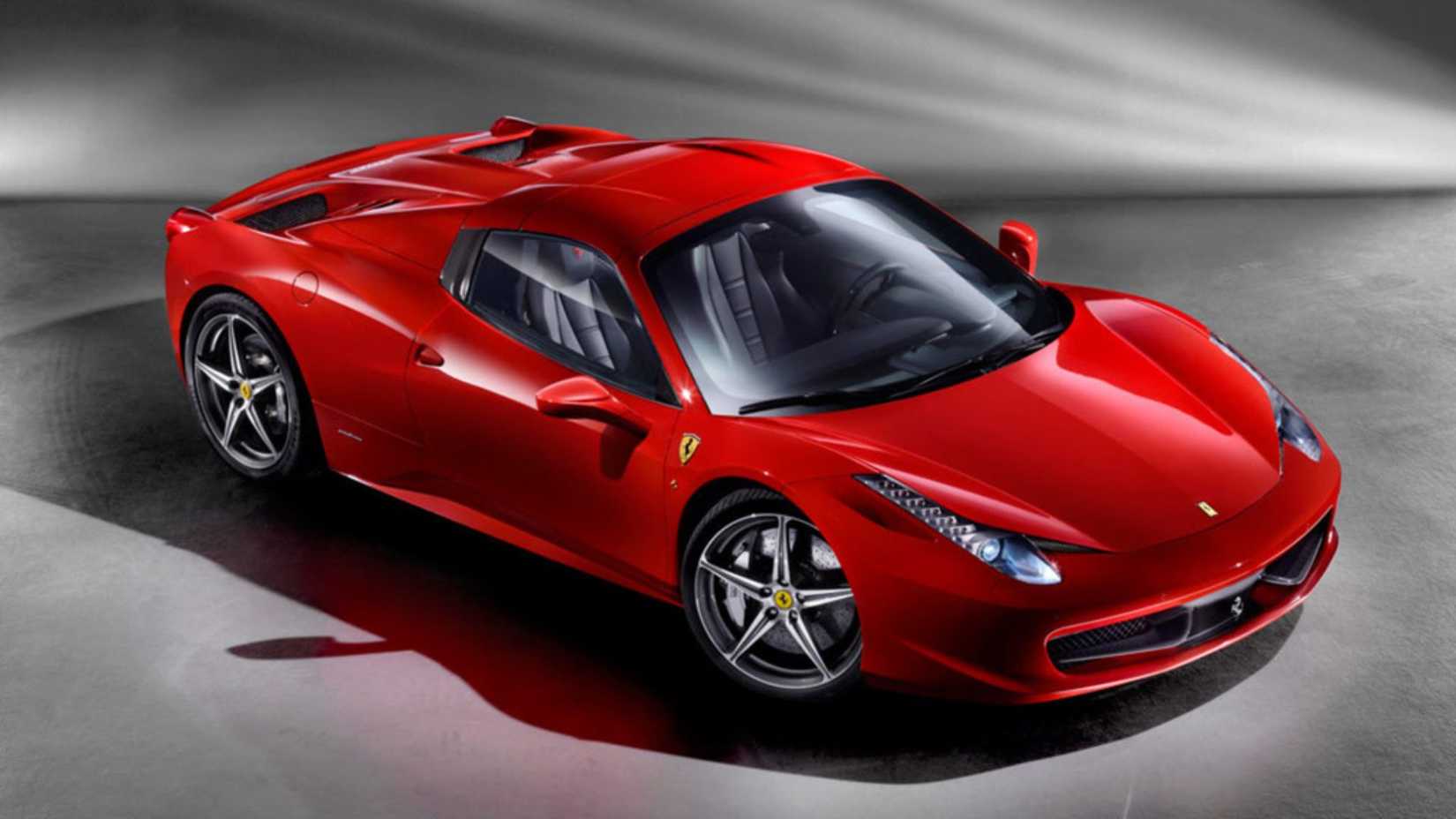
The F430 Scuderia Spider 16M was the final evolution of the F430 lineage, given that it was replaced by the 458 Italia the very same year the 16M was produced. The old car was quickly blown into the shade by its successor too, with the 458’s enlarged 4.5-liter V8 producing 562 hp, around 60 hp more than even the upgraded F430 Scuderia versions could muster. It was also equipped with more advanced electronic driving aids than its forerunner, which afforded the car much greater pace at every aspect of the corner.
Related
Ferrari Was Technically The First Automaker To Fit An F1 Engine In A Road-Legal Car
Many automakers love to harp on about having F1-derived tech or engines in their road cars, but Ferrari was the first to do it.
The 458 also saw greater use of active aero to improve its high-speed performance. Small winglets located in the front air intakes were pushed down by the rushing air at higher speeds, which reduced the amount of drag sustained by the machine to increase its top speed. The 458 was a step forward in pretty much every metric when compared to the F430, though the F430 16M can at least boast to be worth a hell of a lot more. It’s hard to argue that those who prioritized buying the 16M over the latest and greatest model back in 2009 made the wrong decision, especially from a profit-making standpoint.
Sources: Ferrari.