
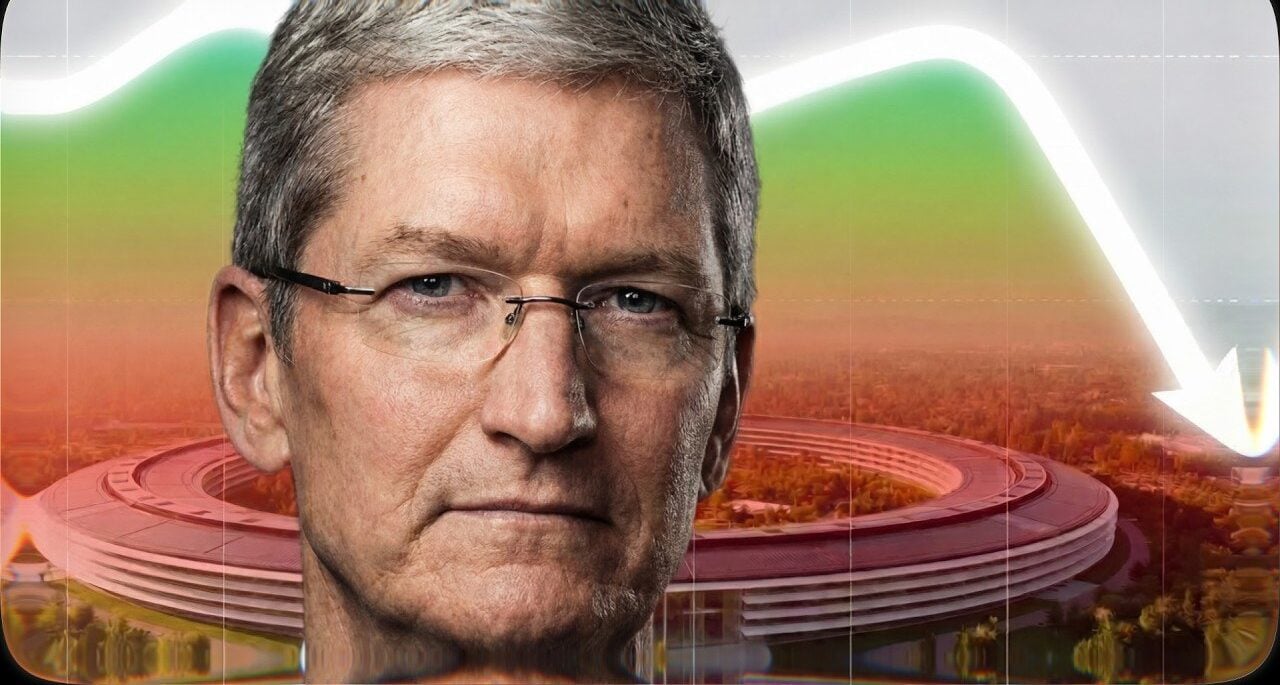
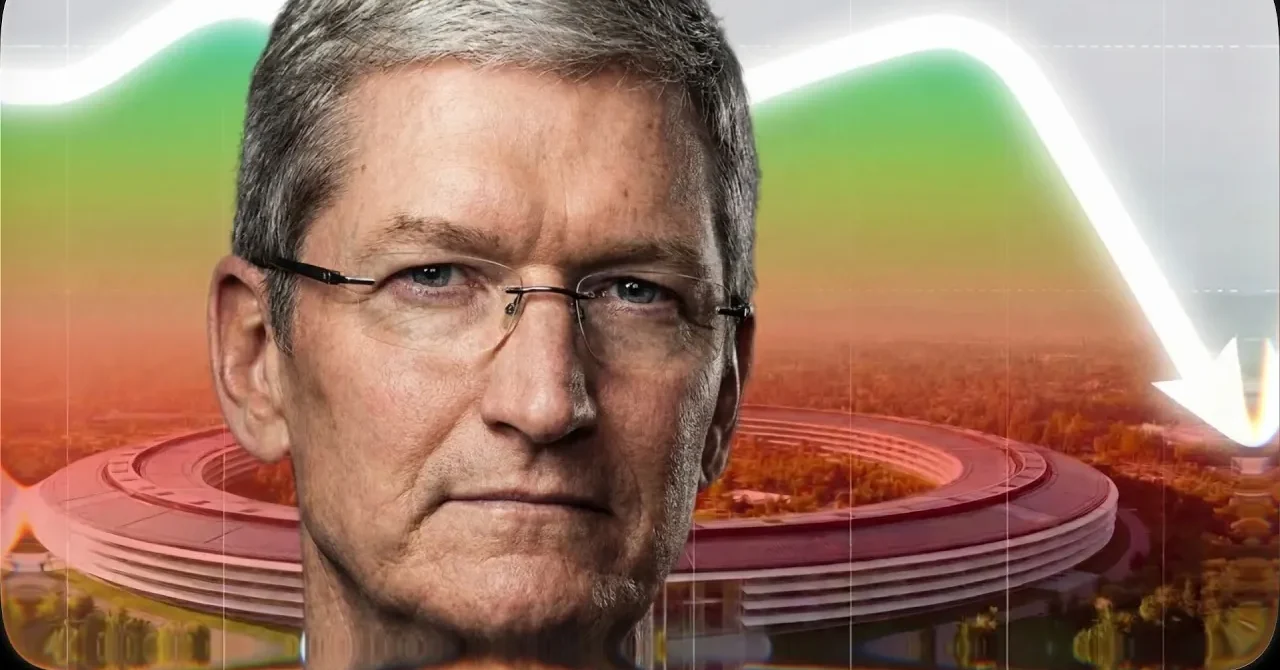
Apple’s introduction of the “Liquid Glass” design system with iOS 26 has sparked significant debate, as highlighted by Design Lovers below. This redesign represents a major departure from Apple’s historically user-focused approach, emphasizing a glossy, futuristic aesthetic. However, it has faced widespread criticism for compromising usability and accessibility, with adoption rates plummeting to just 45%—the lowest in Apple’s history. Users have expressed frustration with the system’s excessive transparency effects and a perceived prioritization of form over function, raising concerns about the company’s ability to maintain its reputation for intuitive design.
In this analysis, you’ll explore the key challenges posed by Liquid Glass, including its impact on text readability and interface clarity, as well as the broader implications for Apple’s design philosophy. Comparisons to past successes and failures, such as iOS 7 and Windows Vista, provide valuable context for understanding where this redesign falls short. By examining these issues, you’ll gain insight into how design decisions can shape user loyalty and what this moment means for Apple’s future in an increasingly competitive tech landscape.
iOS 26 Adoption Crisis
TL;DR Key Takeaways :
The adoption rate of iOS 26 is the lowest in Apple’s history at 45%, reflecting widespread user dissatisfaction with the new “Liquid Glass” design system.
The Liquid Glass design prioritizes aesthetics over usability, leading to significant accessibility issues such as poor text readability and functional inefficiencies.
Critics compare Liquid Glass to past design failures like Windows Vista, highlighting its lack of balance between form and function, which was once central to Apple’s design philosophy.
Structural and philosophical shifts within Apple, including the separation of hardware and software design teams, have contributed to a lack of cohesion and user-centric innovation.
Apple’s struggles with Liquid Glass and other recent challenges, such as the failure of the Apple Vision Pro, raise concerns about its ability to remain competitive and innovative in a rapidly evolving tech landscape.
Adoption Rates Reflect Growing User Discontent
The adoption rate of iOS 26 is the lowest in Apple’s history, standing at just 45%. For context, iOS 7, a similarly ambitious redesign, achieved an impressive 85% adoption rate. This sharp decline underscores a growing dissatisfaction among users, many of whom cite usability challenges and a lack of meaningful innovation as reasons for avoiding the upgrade. For a company long celebrated for delivering seamless and intuitive user experiences, this trend serves as a clear warning sign of deeper systemic issues within Apple’s design strategy.
The reluctance to adopt iOS 26 highlights a disconnect between Apple’s vision and user expectations. Many users have expressed frustration with the redesign, describing it as overly focused on aesthetics at the expense of functionality. This dissatisfaction not only threatens Apple’s reputation but also raises concerns about its ability to maintain user loyalty in an increasingly competitive tech landscape.
Usability and Accessibility Concerns in Liquid Glass
At the heart of the criticism lies the Liquid Glass design system itself. While its glossy, futuristic aesthetic may initially captivate, it has introduced significant usability and accessibility challenges that have alienated a substantial portion of Apple’s user base. Key issues include:
Text readability compromised by excessive transparency effects, making it difficult for users to navigate the interface comfortably.
An interface that prioritizes visual appeal over functional clarity, leading to confusion and inefficiency in everyday tasks.
A departure from the “form follows function” principle that once defined Apple’s design ethos, leaving users feeling disconnected from the intuitive experiences they expect.
Rather than delivering a fantastic update, Liquid Glass has been criticized as a superficial overhaul that fails to address the practical needs of users. This shift has left many feeling frustrated and questioning Apple’s commitment to its core design values.
The iOS 26 Liquid Glass Disaster
Here are more detailed guides and articles that you may find helpful on Liquid Glass.
Lessons from Apple’s Design History
The shortcomings of Liquid Glass have drawn comparisons to other high-profile design missteps, such as Windows Vista. Like Vista, iOS 26 has been criticized for prioritizing visual complexity over practical usability, resulting in a disjointed and frustrating user experience. In contrast, successful Apple redesigns, such as iOS 7, managed to strike a balance between bold aesthetics and tangible functional improvements, earning widespread acclaim.
This failure underscores the importance of maintaining a balance between form and function, a principle that has historically been central to Apple’s design philosophy. By neglecting this balance, Liquid Glass has not only alienated users but also raised questions about the company’s ability to innovate effectively in the future. The comparison to past successes and failures serves as a reminder of the delicate interplay between aesthetics and usability in creating impactful design.
Structural and Philosophical Shifts Within Apple
The flaws in Liquid Glass can be traced to deeper structural and philosophical changes within Apple. Since the post-Steve Jobs era, the once-unified hardware and software design teams have been separated, leading to a lack of cohesion in product development. This fragmentation has been particularly evident in the development of Liquid Glass, which has been criticized for feeling disconnected from the broader Apple ecosystem.
Alan Dy, the lead designer behind Liquid Glass, has faced scrutiny for treating the interface as a standalone product rather than an integral part of the user experience. This approach has resulted in a design system that prioritizes aesthetics over functionality, further alienating users. The separation of design teams has also contributed to a lack of consistency and coherence across Apple’s product lineup, undermining the seamless integration that once defined the company’s offerings.
Beyond structural changes, Liquid Glass reflects a deeper philosophical shift within Apple. The company’s traditional anthropological design philosophy, focused on creating intuitive, emotionally resonant user experiences, has been replaced by an emphasis on aesthetics and visual appeal. Classic Apple products were designed to forge strong emotional connections with users, seamlessly blending form and function. Liquid Glass, however, lacks the intuitive qualities that once defined Apple’s design ethos, leaving users feeling detached and dissatisfied.
Broader Industry Context and Implications
Apple’s struggles with Liquid Glass are unfolding against the backdrop of broader cultural and technological shifts. The company’s challenges in the AI space and the high-profile failure of the Apple Vision Pro have raised questions about its ability to innovate in a rapidly evolving industry. At the same time, advancements in design technology and shifting user expectations are reshaping the priorities of the tech world.
In this context, Liquid Glass appears increasingly out of sync with both Apple’s legacy and the demands of modern users. The redesign’s emphasis on aesthetics over usability stands in stark contrast to the industry’s growing focus on functionality, accessibility, and user-centric design. This misalignment not only threatens Apple’s reputation but also raises concerns about its ability to remain competitive in an industry defined by rapid innovation and changing consumer preferences.
The Road Ahead for Apple
The Liquid Glass redesign carries significant implications for Apple’s future. The disconnect between form and function in iOS 26 has already eroded user loyalty, and the company’s departure from its historical design principles could have long-term consequences for its brand. To regain its reputation for design excellence, Apple must address the structural and philosophical issues that led to the failure of Liquid Glass.
This moment represents an opportunity for Apple to reflect on its design philosophy and recommit to the principles that once defined its success. By prioritizing usability, accessibility, and user-centric design, the company can rebuild trust and reaffirm its position as a leader in innovation and user experience. Without a course correction, however, Apple risks losing its status as a pioneer in technology and design, leaving its future uncertain in an increasingly competitive market.
Media Credit: Design Lovers
Filed Under: Apple, Technology News, Top News
Disclosure: Some of our articles include affiliate links. If you buy something through one of these links, Geeky Gadgets may earn an affiliate commission. Learn about our Disclosure Policy.