
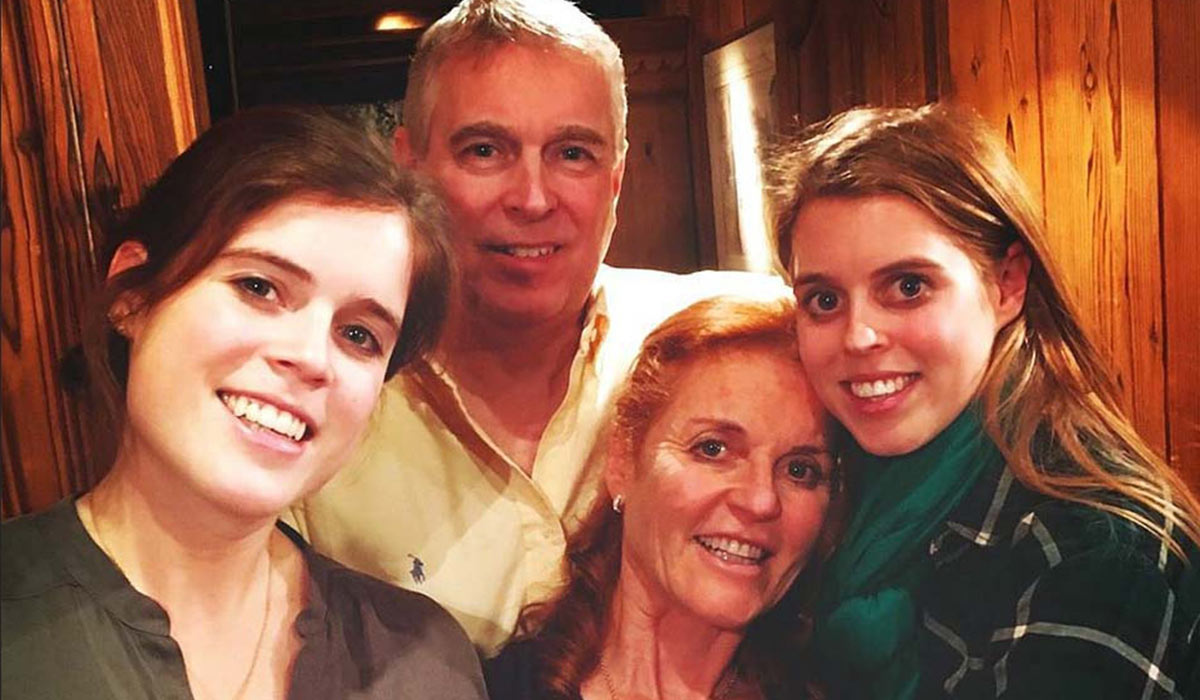
Ryan: It’s a little after the event, but I’ve been thinking about the photo of former Prince Andrew that was taken as he was driven from a police station after 18 hours of questioning.
The picture, far right above, spoke a thousand words as all the best and most notorious ones do, and this photo of a haunted, hunted and haggard man will most certainly go down as a defining moment for a generation.
Up to that point, even in Ireland, we had grown up with this guy from a distance and by cultural osmosis. All we could see was privilege and horses, and Shrek weddings. I don’t really remember hearing him speak; I just remember teeth and uniforms and a headline-grabbing wife.
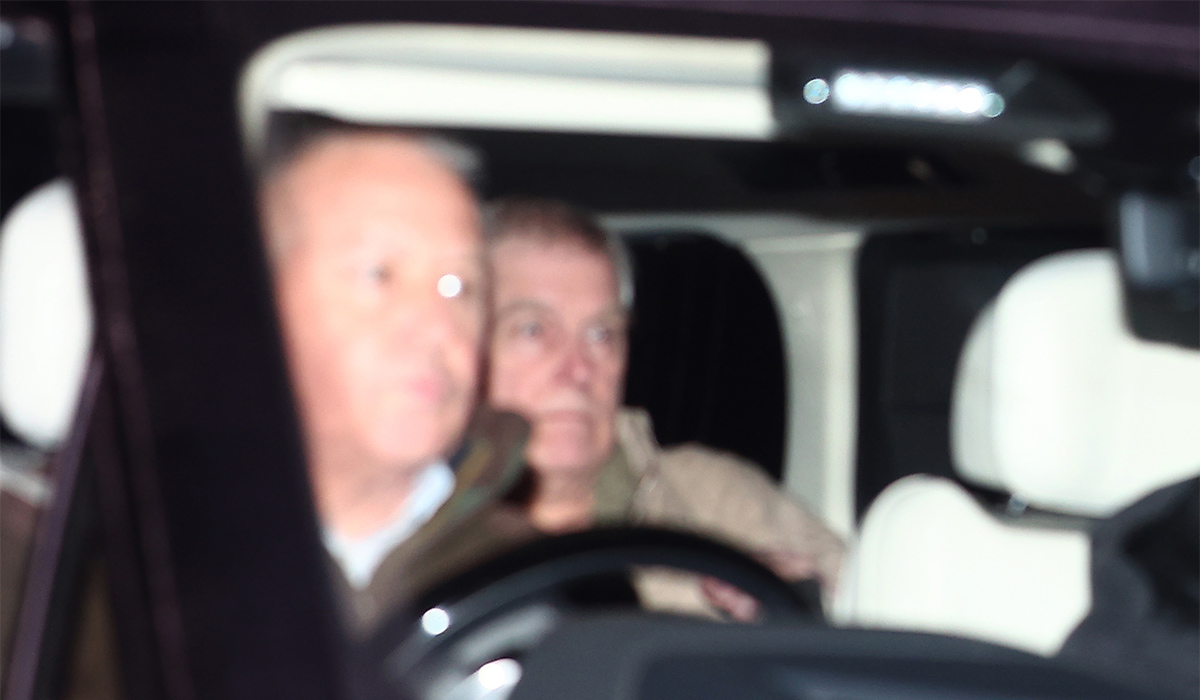 Andrew Mountbatten-Windsor is seen returning after leaving police custody. Pic: Peter Nicholls/Getty Images
But from now on, those images take a back seat to the photo taken of Andrew in the most iconic back seat scene since poor JFK was assassinated in 1963.
Other photos come to mind – Christine Keeler of Profumo fame sitting the wrong way on a chair, the little girl running, naked and crying with her hands up, at the height of the Vietnam War, and the World Trade Centre smouldering before it fell. These are images etched into our minds and, for that reason, maybe they give these stories more credit than they deserve in the great scheme of what constitutes a historic moment.
The Andrew photo was front-page news around the world because it said everything. It screamed disgrace, horror and downfall. The story has now turned to those around the fallen royal as the media sought fresh angles. Who around the man knew what and when? Did they keep it to themselves or were they innocently unaware of any alleged misdemeanours?
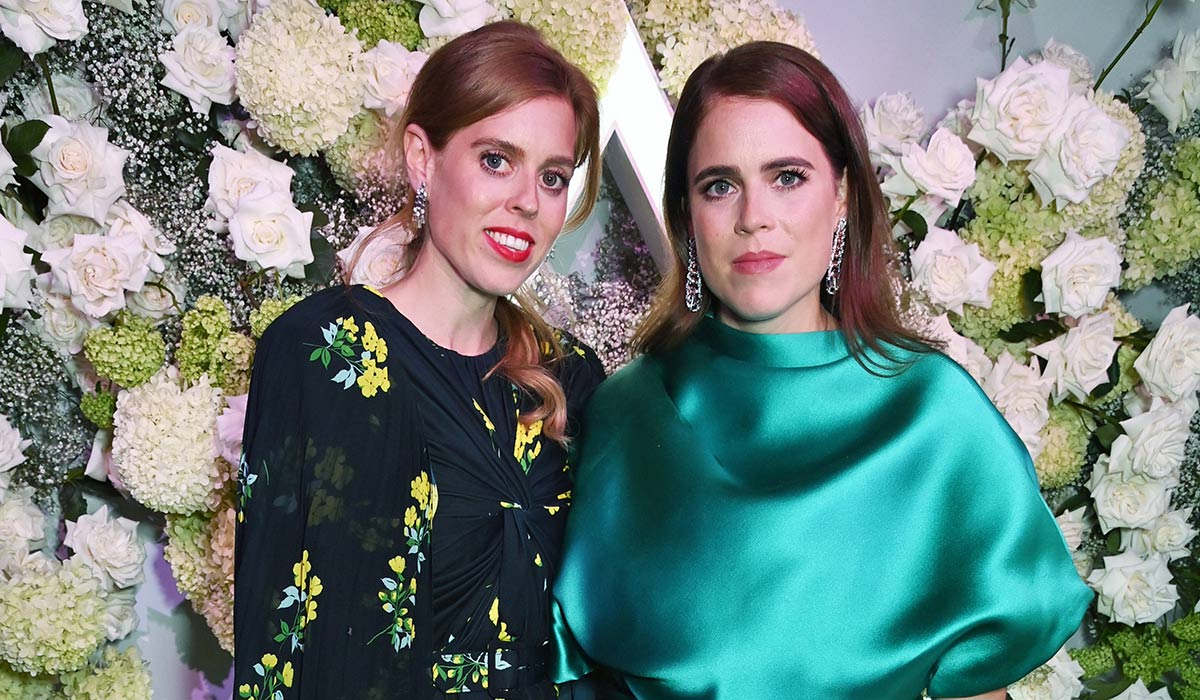 Princess Beatrice of York and Princess Eugenie of York attend the officially party celebrating Vogue World: London 2023. Pic: Getty Images
All legitimate questions but I am inclined to lay off his daughters, who must be having a hellish time and find themselves torn between versions of their father that they now must confront and reconcile with, all in the public gaze.
I should also pause for thought and mention the victims of Epstein’s malevolent universe, many of whom have heroically fought a remarkable battle against some very powerful (and, as we now know, well-connected) men all over the world.
Arguably, the real story last week was the arrest of Peter Mandelson, the former (and by all accounts difficult) Secretary of State for Northern Ireland, and a man who resigned twice from the UK Cabinet. A man who was brought back from the political dead yet again by UK Prime Minister Keir Starmer, who agreed with his Cork-born Chief of Staff Morgan McSweeney to appoint Mandelson, left, to be the UK’s man in Washington, an office he was still in and loving up to five months ago.
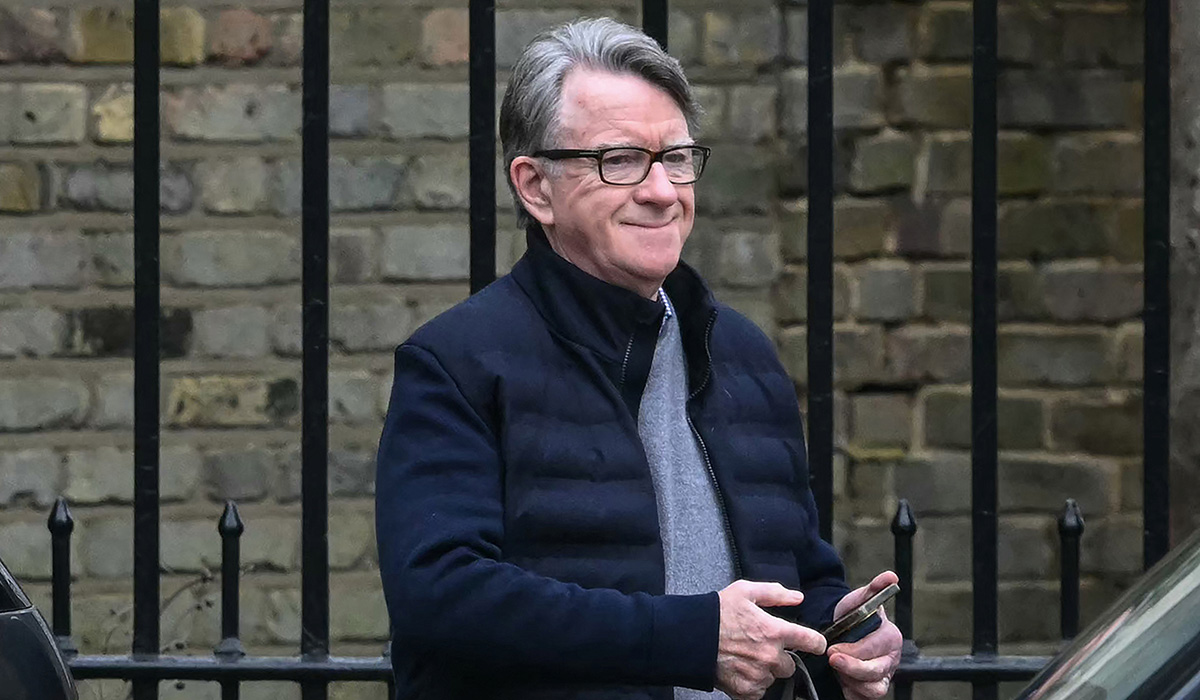 Former UK ambassador to the United States, Peter Mandelson (Photo by JUSTIN TALLIS / AFP via Getty Images)
He won’t have appreciated the footage of him being led away from his house by police being on a loop on Sky News for hours on end, and yet his is the story to watch in the coming months. In a moment of weakness, Starmer agreed to release all documents (including WhatsApp and emails) relating to that ambassadorial appointment, and that’s where we’re in dangerous territory, as anyone who has ever sent or received a WhatsApp message (all of us) will know.
The feeling is that Mandelson won’t be the last victim of this unending Epstein scandal, but at least there is a sense that justice is being served. The contrast between the British fallout and the American experience is as stark as it is shocking.