
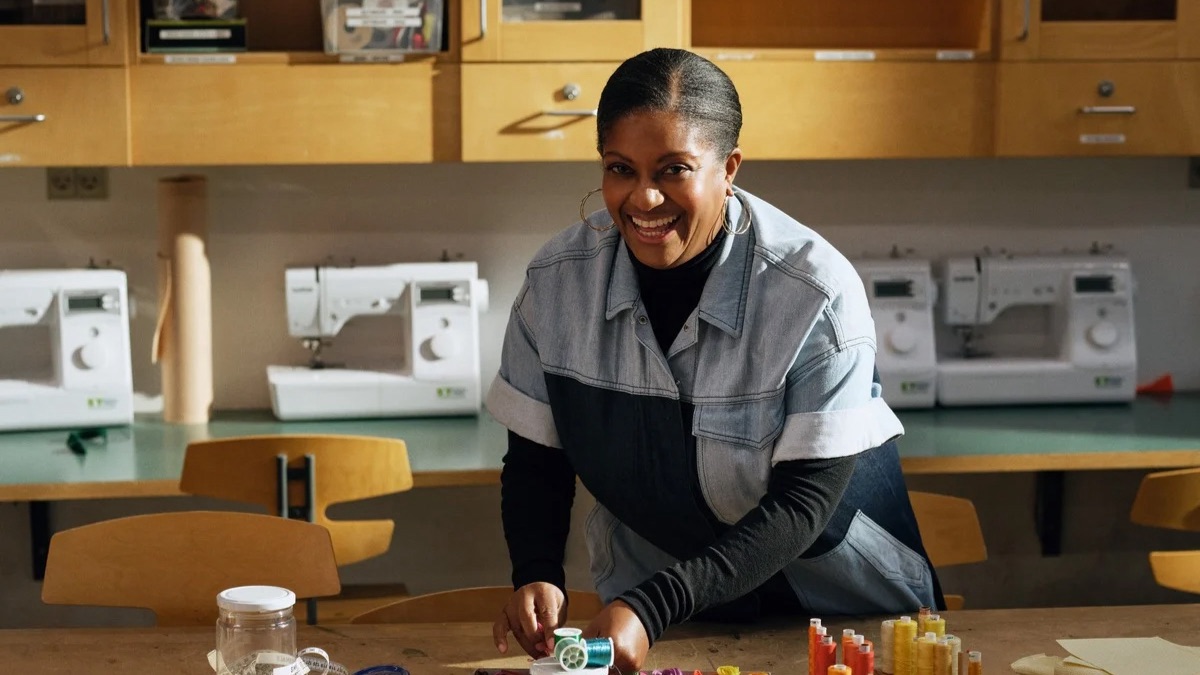
50 new photographs of hearing aid users aged between 20 and 60 have been made available to the public for free, with the aim of sharing a “more contemporary and positive representation” of the devices and those who wear them.
The first collection of images in the New Norm image library – taken by deaf photographer Gala Ricote – were shared by hearing aid manufacturer GN in 2024, and feature comedian Lara Ricote, singer-songwriter James Page and Paralympian Olivia Breen.
The latest images, from Danish photographer Oliver Knauer, were published on Tuesday – to mark this year’s World Hearing Day, and the release of new YouGov research commissioned by GN.
Of the 1,000 Britons with hearing loss surveyed, almost 80 per cent said the media gets key aspects of their lives wrong, with 77 per cent of respondents in both Australia and the United States agreeing with the same statement.
Nearly half (49 per cent) of people surveyed in UK could not name a single instance from the past year where someone wearing a hearing aid or cochlear implant appeared in content unrelated to hearing loss or hearing devices, while just over 40 per cent cited “[framing] people as elderly, fragile or dependent” as a common misconception in media portrayals.
GN’s chief audiology officer, Laurel Christensen, said the “media invisibility” and “unrealistic portrayal” of hearing loss highlighted by the statistics “can negatively impact the mental health” of those living with the condition and “deter others from seeking help”.
He continued: “GN wants to challenge the outdated misconceptions of hearing aids and living with hearing loss, fostering an environment where wearing hearing aids is seen as a symbol of empowerment in daily life, and our New Norm image library gives newsrooms, brands and creators practical assets to change it.”
According to the Royal National Institute for Deaf people (RNID), 18 million people in the UK have deafness, hearing loss or tinnitus.
The YouGov data also found that the majority (61 per cent) of the general public surveyed in the UK agreed that the media shapes how they understand hearing loss, with more than 40 per cent reporting that the lack of everyday media representation makes it harder for people to recognise hearing loss or seek help.
Claire Benton, president of the British Academy of Audiology, added: “Representation matters in hearing healthcare. When people see themselves reflected, it builds trust, reduces stigma, and empowers them to seek support for their hearing.
“At the British Academy of Audiology, we believe inclusive representation is essential so everyone feels seen, understood, and confident to access care.”
The full New Norm collection is available to view and download on Unsplash.
Images: Oliver Knauer/GN/Unsplash.