
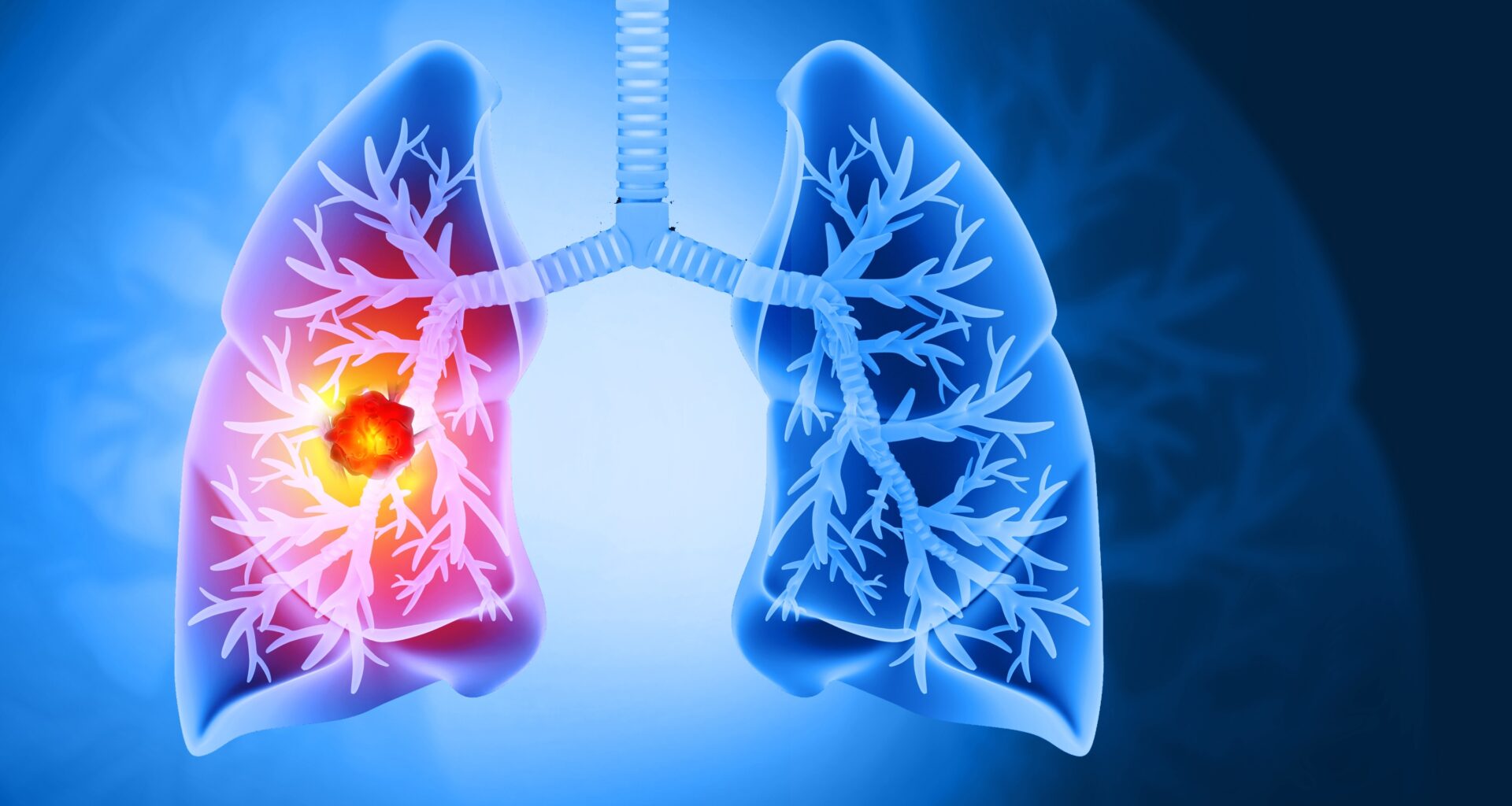
Ohio University researchers have discovered that blocking the growth hormone receptor could make lung cancer treatments more effective, offering potential new treatments for patients with therapy-resistant tumours.
Researchers at Ohio University have identified a potential new strategy to tackle lung cancer that does not respond to conventional therapies. The findings indicate that blocking the growth hormone receptor may increase the effectiveness of existing treatments.
The study was led by Goll-Ohio Eminent Scholar and distinguished professor Dr John Kopchick, alongside his graduate student Arshad Ahmad at the Heritage College of Osteopathic Medicine.
Lung cancer’s ongoing challenge
Lung cancer is the leading cause of cancer-related deaths globally. Non-small cell lung cancer (NSCLC), the most common type, accounts for approximately 80–85 percent of cases. While advances in surgery, chemotherapy, radiation and targeted therapies have improved outcomes over time, many patients develop resistance to these treatments. This resistance makes the disease harder to control and contributes to lower survival rates.
The role of growth hormone
The research focused on the role of growth hormone (GH) in NSCLC. GH is primarily known for regulating height, metabolism and overall body development. It operates by binding to a protein in cells called the growth hormone receptor (GHR). However, previous studies have suggested that GH may also aid cancer cells in growing and resisting therapy.
Importantly, the researchers found that patients whose tumours had elevated GHR levels had much shorter survival times.
Using extensive patient datasets, including information from The Cancer Genome Atlas, the team analysed tumour samples from hundreds of NSCLC patients. They discovered that lung tumours exhibited significantly higher levels of GHR compared with normal lung tissue.
Importantly, the researchers found that patients whose tumours had elevated GHR levels had much shorter survival times. On average, patients with low GHR tumours survived around 66 months, while those with high GHR tumours survived only 36–40 months.
Laboratory experiments confirm GH’s impact
In laboratory experiments with human and mouse lung cancer cells, GH was shown to make cancer cells more resistant to chemotherapy drugs such as doxorubicin and cisplatin. GH enhanced the activity of proteins called drug-efflux pumps that expel chemotherapy drugs from cancer cells. It also triggered changes linked to tumour spread and reduced cell death. Together, these effects made cancer cells tougher and harder to eliminate.
By blocking the growth hormone receptor, we may be able to improve the effectiveness of existing treatments.
The team then examined the effects of pegvisomant, a drug that blocks the growth hormone receptor. Pegvisomant, sold under the brand name Somavert, was discovered by Kopchick in 1987 and is approved by the US Food and Drug Administration for treating acromegaly – a condition caused by excess GH.
Kopchick’s research showed that pegvisomant reversed many of GH’s harmful effects. When combined with chemotherapy, it increased the sensitivity of cancer cells to treatment and reduced the chemotherapy dose required to kill them.
“These findings suggest that growth hormone signalling helps drive aggressive and therapy-resistant lung cancer,” said Kopchick. “By blocking the growth hormone receptor we may be able to improve the effectiveness of existing treatments.”
Next steps toward clinical trials
While the results are promising, the researchers emphasise that the study relied on patient dataset analysis and laboratory cell models. Previous animal studies have shown that combining pegvisomant with therapy significantly improved outcomes in melanoma, pancreatic and liver cancers in mouse models. The team now plans to test lung cancer cells in mice. If these results are positive it could lead to clinical trials to determine whether this approach is safe and effective for patients with lung cancer.